April 16, 2026
F
Filmmaker Commentary
  • Home
  • About
  • Film
  • TV
  • Home
  • About
  • Film
  • TV
Podcast

FMC 017: Lady Bird Written and Directed by Greta Gerwig

April 11, 2026
Listen on Apple Spotify YouTube
Listen to this episode
Your browser does not support the audio element.
Also on Apple Spotify YouTube

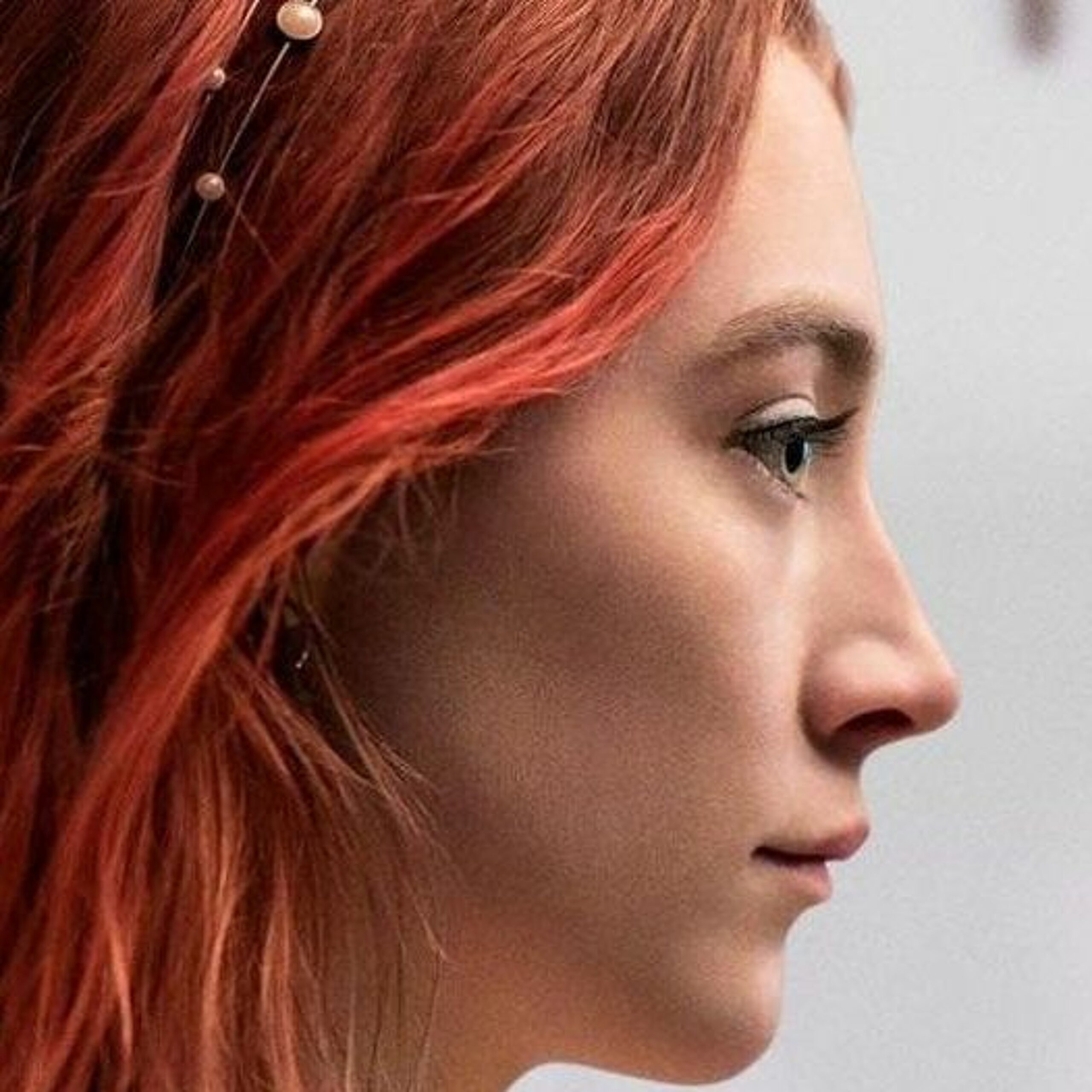
Step into the world of “Lady Bird” as hosts Reginald Titus Jr. and KCG Smith dissect Greta Gerwig’s directorial debut, offering filmmakers practical insights from the movie’s commentary track. This episode unpacks the film’s financial success, Gerwig’s unique path from Mumblecore actress to Oscar-nominated director, and the intricate storytelling choices that make “Lady Bird” a standout coming-of-age narrative. Discover how technical decisions and acting sensibilities shaped this acclaimed A24 production, providing independent filmmaking.

What We Cover

  • Greta Gerwig’s filmmaking background, from theatrical student to Mumblecore actress and director.
  • The nuanced mother-daughter dynamic and how the film avoids coming-of-age clichés with realism.
  • Insights into independent film financing, the role of producers like Scott Rudin, and budget considerations.
  • The power of casting and how pre-existing relationships between actors can deepen on-screen chemistry.
  • Visual storytelling techniques, including lighting choices to convey emotion and character dynamics.
  • How Gerwig’s acting experience informs her directing style, fostering authenticity and impactful performances.

Key Moments

  • 0:05:14 The hosts react to the intense, rapid shift from crying to anger in the film’s opening scene, where Lady Bird jumps from a moving car.
  • 0:17:48 Discussion about Greta Gerwig’s “10,000 hours” of filmmaking experience, accumulated as an actress on various sets before directing her own feature.
  • 0:17:16 The brilliant decision to shoot the opening argument scene at the very end of production, allowing actors Laurie Metcalf and Tracy Letts to leverage their established on-set relationship.
  • 0:29:56 Hosts explore the cinematographer’s perspective on Sacramento and how his “fresh eyes” contributed to the film’s visual language, contrasting with Gerwig’s intimate knowledge of her hometown.

Gear & Films Mentioned

  • DSLR cameras (general mention for Mumblecore era)
  • Kino Flo lights
  • “Moonlight”
  • “Neon Demon”
  • “Shape of Water”
  • “Roseanne” (TV show)
  • “Brooklyn”
  • “Call Me By Your Name”
  • “Clerks”
  • “Back to the Future”
  • “Monster”

Listener Questions

  • How did Greta Gerwig’s background as an actress influence her approach to directing and working with her cast?
  • What specific visual and emotional transitions does “Lady Bird” use to enhance its storytelling?
  • How did the production team manage the budget and creative challenges typical of an independent film to achieve such critical and commercial success?

Full Transcript

Read the full transcript

Full Episode Transcript
This episode of Filmmaker Commentary provides an in-depth analysis of Greta Gerwig's "Lady Bird," exploring its production, themes, performances, and the director's unique approach to filmmaking, drawing insights from the film's commentary track and her career background.

Opening Discussion and Film Overview
Reginald Titus Jr.: Filmmaker Commentary episode 17. Welcome to Filmmaker Commentary, where we give you insights from our favorite filmmaker commentaries. These commentaries can be heard on your DVD and Blu-rays of your favorite movies. We'll show you how you can use these commentaries and apply them to improve your video production and filmmaking techniques. All of this here on Filmmaker Commentary. I'm your host, Reginald Titus Jr.
Reginald Titus Jr.: All right, welcome to another episode of Filmmaker Commentary. I'm Reginald Titus Jr., I'm joined with...
Casey G. Smith: Casey G. Smith.
Reginald Titus Jr.: Welcome back, sir.
Casey G. Smith: Good to be back, sir.
Reginald Titus Jr.: So today, we are going to talk about the movie "Lady Bird," directed by Greta Gerwig. So, there was a budget of $10 million. It's distributed by A24. I call them the new Miramax. So basically, they're getting these smaller films, packaging them together, and putting them on these like Oscar runs.
Casey G. Smith: Crushing it.
Reginald Titus Jr.: They're definitely crushing it. Like "Moonlight," that was an A24 film and I don't know if "Neon Demon" was necessarily a Oscar thing, but uh, it was definitely an interesting film that yeah.
Casey G. Smith: Yes, very interesting.
Reginald Titus Jr.: So, of course, if y'all tune into this, you're a filmmaker, you're interested in filmmaking. This this podcast is to help you as a filmmaker, producer, writer, interested in things technical and how these movies are put together. And we help you, we take gems from the Blu-rays and DVDs, the commentaries, take gems from that and pass them on to you.
Casey G. Smith: And we talk spoilers.
Reginald Titus Jr.: Yes. So...
Casey G. Smith: Spoiler alert!
Reginald Titus Jr.: Always.
Casey G. Smith: The whole time.
Reginald Titus Jr.: So this film, it made $48.9 million domestically, $25.7 million internationally, for a total of $74.7 million. Definitely a win.
Casey G. Smith: Yes, big win. A big win.
Reginald Titus Jr.: The thing I'm always interested, I know we talked about it before, is, you know, they say the budget is $10 million, but like how much of that was like P&A? Or is a P&A budget totally separate from the $10 million budget? Is that just the production budget? And is the P&A what is that actually make the movie, you know, what is the actual cost of all that? Because it costs a lot of money to go for an Oscar run.
Casey G. Smith: Absolutely, right? The additional amount of time, effort, and energy you have to to put in, into putting it in front of the the voters and and members of the Academy, uh, that's no small thing.
Reginald Titus Jr.: One of the producers behind this, his name is Scott Rudin. After watching this film, I started doing more research on Greta and just kind of figuring out how this movie was made. And there's not a lot of information or stories about how she got it financed. It was just like kind of like quickly and they just talk about the film. Almost every interview, it's about her being a woman or the characters in the film being, is just like semi-autobiographical, like what's going on here. Um, but there but one of the key components was Scott Rudin, and she was shopping this film, shopping her script around and nobody was biting on it. But once he took notice of this script and put his money behind it, then that's when everybody got in line. And he has his own production company and people, he's like well known, he can help movies get financed.
Casey G. Smith: Scott Rudin Productions.
Reginald Titus Jr.: Scott Rudin.
Reginald Titus Jr.: So, I watched this movie with my wife, um, and I definitely wanted like a woman's point of view, you know, watching this film, you know, when I when I got it out, when I went and rented it, I figured, you know, hey, this would be something that would be cool to watch her to kind of see what she what she uh, thought of the film.
Casey G. Smith: What'd she think?
Reginald Titus Jr.: She enjoyed it. She even, you know, even had like some tear-jerking moments in the film.
Casey G. Smith: Okay.
Reginald Titus Jr.: Um, she felt like the mother and daughter dynamic was real, and it was like a real coming-of-age film. And the things, um, like you romanticize about are different than they really are. And some of the examples she gives, like, you know, maybe uh, not having money or sex, or when the guy that was like she thought was her boyfriend was a gay guy. You know, like...
Casey G. Smith: Oh, man, that was that was that was tough.
Reginald Titus Jr.: Yeah, so like kind of going through these things like head-on, you know, as a teenager, she said it felt real. What about you? How'd you watch it?
Casey G. Smith: Um, yeah, so I hadn't seen this film before, but I'd heard so much about it. I I almost watched it in the theaters, um, um, it was playing at the Magnolia here in the Dallas area, and I went to see "Shape of Water" and "Lady Bird" was showing at that theater, but I I didn't. So, it was my first time seeing it, watched it uh, watched it solo. And initially, it's starting out, you know, that first opening opening scene, before she jumps out of the car, just the the argument she's having with her mom, which I had seen I think it's a clip they showed at the at the Oscars, I'd seen that clip, and in my mind, I was like, oh, man, this is going to be this annoying teenager that's just, you know, disrespecting her mom the whole time, but it's it's that realness. It is the the the the raw nerve of two people that are really alike, just rubbing against each other and the friction that causes that really made this film in just really endearing. And even even watching, uh, having it play and and and listening to the commentary, certain things like stood out and and seemed different. It felt longer the first time I watched it, and it was it seemed much quicker the second time through. I don't know why, but it it did. When I was when I was listening to the commentary, I'm like, oh, wow, this is just breezing by. It's yeah, I enjoyed it.
Reginald Titus Jr.: Yeah, that first scene it they definitely captured your attention. You know, you it kind of comes off like it's going to be kind of like boring, starting off. They're listening to is that John Steinbeck? the audio, the "Grapes of Wrath." It's like, what is it? Crying and just like, what is this? And then to go from all of a sudden like they're crying, and then they just turn. Like the emotion just turns from that to anger. Like, what, let's just like, let's just hang out and listen to this. And all of a sudden like just straight out fight. Well, you can just go to city college and go to jail and. And then she just jumped jumped out the car, right?
Casey G. Smith: It gets ugly so fast. But, you know, in in human relationships, in in familiar relationships. Right. Especially within family, those things can happen that kind of, you know, take for granted. But, I mean, jumping out of a car though, I mean, come on. That's that's that's something. I I I...
Reginald Titus Jr.: That's something. A moving vehicle.
Casey G. Smith: You are not going to jump out of this car. Keep your butt in the car!
Reginald Titus Jr.: But it tells you so much in that one minute and a half, two minutes, uh, when this movie starts, everything about these characters, like, they're extreme. And to get the attention of somebody else, that's what she had to do to get the attention of her mother, jump out of a car. Cut to cast arm, F you mom.
Casey G. Smith: Wow. I mean, just wow. You know, we were talking earlier before we started recording, I in the household I grew up in.
Reginald Titus Jr.: Yeah.
Casey G. Smith: You know, I had a couple of moments as as a teen and pre-teen where I might have got a little fiery, a little little angry, but a cast on my arm that says F you mom.
Reginald Titus Jr.: Yeah.
Casey G. Smith: That you're going to wear daily at your Catholic school. Like, what I don't know, that's just a...
Reginald Titus Jr.: It threw me out, man. I'm like, who are you?
Casey G. Smith: Who are you? But it kind of plays into the whole, you know, the thing that we we hear mentioned that the the the movie that is in this young lady's mind is is not the reality that she is in. Uh, the movie that Lady Bird has going in her mind is not not not the reality of things. And she's willing to go after it to get whatever she wants, whatever attention she wants, she goes for it.

Commentary Insights and Director's Background
Reginald Titus Jr.: The commentary, so, I I enjoyed the commentary. The commentary is Greta and uh Sam Levy, who's the cinematographer. It was it was definitely an enjoyable commentary. There were times though that I I wished that Greta would talk more because it seemed like he would kind of like kind of jump in kind of out of his out of his cinematography lane and kind of talk about characters. Like, I feel like, and I'm like, she is the writer, like, just go ahead and let let her talk. It was just a few times where I feel like, okay, bro, like, just just talk about cinematography. She wrote and directed, let her...
Casey G. Smith: Stay in your lane, cinematographer.
Reginald Titus Jr.: Stay in your lane. But she's nice, so, you know, hey.
Casey G. Smith.: Well, you know, when when that would happen, it made me it made me stop and and and think that, you know, like where did he go to school, you know, what did he study? Because chances are, I mean, if he if he if he did go to film school, then he probably did a little bit everything. So, uh, yeah, that was fascinating to me. I I like the fact that he was so dialed in.
Reginald Titus Jr.: He was.
Casey G. Smith: Dialed in.
Reginald Titus Jr.: It was like almost they were friends and made the thing together.
Casey G. Smith: Yeah, yeah, I thought that thought that was that was very interesting. He was like that that dialed in, that locked in and and invested. Like he was emotionally invested in the characters. I was like...
Reginald Titus Jr.: That's what definitely made it different, like, why did she choose this cinematographer to do this with, you know? Um, but he definitely had a lot to offer and in regards to what he was saying how they were able to create these scenes. So, , good commentary.
Casey G. Smith: Yes, a lot of times when I hear the commentaries after the first couple of lines, I'm always thinking about, you know, I'm like, I wonder if Reginald is going to enjoy this. But I I I knew I knew pretty quickly. I was like, oh, yeah, this is this is this is going to be good. It's going to be that I like a nice mix of the technical.
Reginald Titus Jr.: Yeah.
Casey G. Smith: Give me the some back story, give me some, you know, some personal stories. I like a nice mix of those things, and this this commentary gave all three.
Reginald Titus Jr.: What's your favorite scene?
Casey G. Smith: Favorite scene in this film, man, there's there's a lot of good. There are a lot of good scenes. True. I think, man, I think that just her reaction from that first kiss, and she and she's in the street, and she's just she's trying to hold in and it's just, you know, cuz I I remember I, you know, I had a girl that I kissed one time, it had been a long time coming. And like afterwards, I was just like, you just, you know, you're just on cloud nine. Um, I miss the one that that stands out. But man, to have to say like one that's my favorite. Uh, you go. Let me see if I can think of something.
Reginald Titus Jr.: The first scene stands out to me. That's hilarious, like, how and how like the comedy is played. Like it it, you know, it goes from like sentimental to anger to like comedy, like in just that 30 seconds. Like for them to pull that off, it's it's great. They I was dialed in after that.
Casey G. Smith: Okay, so, follow up with that. I think I think my favorite scene might be the scene where the mom comes into the living room, dad is on the computer.
Reginald Titus Jr.: Playing solitaire?
Casey G. Smith: Yeah. He just looks defeated.
Reginald Titus Jr.: Oh, man.
Casey G. Smith: But he plays the guy plays he plays like this that nice guy, man. He's the he's the nice guy, he loves his family. Yeah, he's the glue.
Reginald Titus Jr.: Yeah, he really is. He he really is like he he he navigates the the landmines of his home very well. And this this is I mean this is a loving family. But so, like that scene where he's he's solitaire on the computer, mom comes in. And I forget what she's getting on Lady Bird about. I've I forgot what she was upset upset about. Oh, was it? Oh, I think cuz, okay, Lady Bird was upset because she had gotten accepted into City College. And because something about their agricultural program. She didn't want to whatever the school was that her dad had gone to and her her brother. She was upset because she had gotten into that school. And she was I think I think it's the same scene she was making a stink about it. And oh, oh, okay.
Reginald Titus Jr.: I don't know, cuz two scenes happened in the living room, I think.
Casey G. Smith: Okay, so...
Reginald Titus Jr.: Crap, I'm mixing scenes.
Reginald Titus Jr.: She got she got suspended, right? She got suspended cuz she talked about like...
Casey G. Smith: Abortion. Oh, man, that was ugly. So, okay, it was it was...
Reginald Titus Jr.: So right after she talks about the abortion, then she cut to she's sitting on the couch and her mom is getting on to her.
Casey G. Smith: This is when the whole family is there. Dad's on the computer playing solitaire. Mom is is is talking to her. And she gets upset. Even her brother. And maybe maybe I might be mixing scenes. Cuz her her brother and sister are there sitting on the couch. And and she literally like yells, like this just like visceral yell at her brother. Like, I'm like just And then and then she, oh, oh, she's when she before she storms off, she says, you know, you'll never get a job with that. She's in your and your all in your face. And like it cuts to him and he's like, kind of touches his face like, she she right? Anyway, yeah, I I I I dug that scene. That one stands out to me. Yeah. Though I'm mixing it up with another scene in the same setting. Enjoy the living room scenes.
Reginald Titus Jr.: Yes. Looking for like Greta and and it led me down like a little research hole, looking for her and kind of just going through her interviews and kind of understanding how she got to this point because for her to come like for her for them to market this as her, you know, first directorial debut, it's like, uh, this is a real solid film. Like, and so what I discovered is that she was involved in a movement called Mumblecore. And basically Mumblecore is like DIY, you know, films. Back in 2007, 2008 when the DSLRs and all that stuff was getting popular. One of my first films was in 2009 with like a camcorder and we shot like a 30-minute film. But around that time, a lot of people were doing these DIY uh films. And basically they call it Mumblecore because it's, you know, usually just people sitting down talking about relationships. A lot of times the people are like naked, but not necessarily in a like really like sexually attractive way. They just kind of like, yeah, just normal day-to-day life kind of like...
Casey G. Smith: But they're naked?
Reginald Titus Jr.: Yeah, sometimes they are, yeah, in these relationships. It's kind of weird.
Casey G. Smith: Not just like not wearing a lot of clothes, but like like naked.
Reginald Titus Jr.: Like all the way naked having like these full conversations. It's like, it's awkward.
Casey G. Smith: That's weird. That's, yeah, that's...
Reginald Titus Jr.: And so like Greta and and she's connected to another guy named Joe Swanberg. And so I've been recently studying uh more about him because he got his start in this Mumblecore movement. They'll do like five, six films a year just just knocking it out where they're just talking about relationship stuff or whatever, and the nudity thing isn't really a big deal. It's just part of part of their films. But I don't know why they call it Mumblecore. I think the outsiders called it Mumblecore, but the people that are in the quote unquote Mumblecore, they don't like the word Mumblecore.
Casey G. Smith: Mumblecore, so...
Reginald Titus Jr.: So you got the Duplass Brothers that came from this Mumblecar Mumblecore movement. You got Joe Swanberg and Greta, she was part of that movement as well. She was an actress in a lot of these early films and she also helped co-direct some of the films.
Casey G. Smith: Right, I'd seen I'd seen her in a couple of of films, you know, like "Frances" "Frances Ha", uh, which was a which was a good film that came out, yeah, what, 2014, 2015, maybe somewhere around there. But it was it was a good film and Adam Driver is in that one as well. But um, yeah, she she crushed it with this first this first one. And to be nominated for, you know, Academy Award, uh, that's super impressive. But also just, you know, when you hear the commentary, the amount of planning, the pre-production.
Reginald Titus Jr.: Mm-hm.
Casey G. Smith: Which is, I mean, that's uh, that's so huge. And she had her act together and the amount of time to just make a a scene feel a certain way, which we'll get into a little bit more.
Reginald Titus Jr.: For sure. And she mentions in like some of these interviews that she didn't go to like a prop proper film school. She was a theatrical student. So that's why you see a lot of things about the theater inside her film. Um, she, you know, tried to go to like the the yells and the UCLAs and try to get into that theatrical department, but she was denied, you know, she didn't get in. And so she ended up going to Barnard College uh for women uptown. Because she didn't go to like a film school, and some of the interviews she talked about, she would like pick up things because she's an act actress, actor, um, on being on all these sets. The difference between like a filmmaker always in their own world. They don't get to work on sets with other directors and things like that. But as an actor, you get to be on different sets and you can see what works, what doesn't work. And so she...
Casey G. Smith: This is important.
Reginald Titus Jr.: So she got to take certain things from from those different sets she was on and put it on her sets. And so she, for example, like having your crew name wear name tags. It never came across my mind.
Casey G. Smith: Hmm.
Reginald Titus Jr.: Because she says it's because actors sometimes they're only there for a day, two days, whatever, but they don't know the people there. And people that have been there, they're they're all they got this camaraderie, and they, hey, Dave. But the actor that kind of feels left out.
Casey G. Smith: Sure. You don't want to just say, hey, you cinematographer.
Reginald Titus Jr.: Yeah, and you don't she's like, you don't want to do that because...
Casey G. Smith: That's bold.
Reginald Titus Jr.: Yeah. Grip. Grip guy, number two. Camera guy. What? So, have name tags. Also, I think she does have that advantage just being an actor and understanding their language. And we see people like uh Ben Affleck or uh in the earlier years Tarantino being able to have the actor's language to communicate with them better.
Casey G. Smith: Yes. There's at the um, the the scene thing with the prom, she actually to shoot that scene, she actually dressed up in a prom dress.
Reginald Titus Jr.: Oh, yeah.
Casey G. Smith: I was like, that's pretty awesome. That hasn't make your actors just feel just great that you got that level of uh of involvement and investment with them and you can come from that that source of of being an actress, so...
Reginald Titus Jr.: And so there's this thing called uh 10,000 hours. Have you heard of that?
Casey G. Smith: Yes.
Reginald Titus Jr.: Becoming a master of something, it takes 10,000 hours. So, since she started doing, being on all these sets and helping shoot, helping make up, being the boom pole operator, being the camera operator, doing all that stuff, since like, you know, 2007 or whatever, you know, when she started doing this, that over the time, she's accumulated this 10,000 hours. So, when she got on set, she was kind of nervous. One of the interviews she was saying that she was nervous coming on set. But probably like after like a few hours, she realized, like, I've been here before. You know, those 10,000 hours kicked in. It's like, I know Kung Fu, I know Karate. You don't realize it because all that all those all that time you've been putting in and then you're there on a set, it's like, well, I know how to do this.
Casey G. Smith: Writing a bike.
Reginald Titus Jr.: Exactly.
Casey G. Smith: Just let the muscle memory take over.
Reginald Titus Jr.: Yeah, exactly. She used the uh uh uh uh, what is it? Mr. Miyagi.
Casey G. Smith: Wax on, wax off.
Reginald Titus Jr.: Sand the floor. Show me, show me, show me. And then, oh, okay, the muscle memory kicks in.
Casey G. Smith: I just I just watched Karate Kid like this week.
Reginald Titus Jr.: Is it because of the new thing on YouTube they're about to have the...
Casey G. Smith: Possibly, but it's also it was streaming on uh, Amazon Prime.
Reginald Titus Jr.: I saw that. I saw that trailer. I was like, I might watch it.
Casey G. Smith: Dude, you know what? Karate, tangent. Karate Kid is just, man, it's easy to watch. Is a easy watch and it's it feels like a like a Indie film. When you watch watch Karate Kid, it feels like a Indie film. It is an Indie film. What am I kidding? Is a Indie film. And just so enjoyable. And it's move, the pacing is just like, boom, boom, boom, boom. I'm like, wow, but you I mean, man, Ralph Macchio, man, as as Danny LaRusso, he crushes it, man, his emotions. Sorry, again, tangent.
Reginald Titus Jr.: Tangent.
Casey G. Smith: But yes, um, the Cobra Kai trailers may have influenced me.
Reginald Titus Jr.: Nostalgia is underrated.
Casey G. Smith: It is. So, one thing I did want to mention as as we're talking about Greta and her experience, you know, with the different directors we've been talking about, on some of our filmmaker commentary. We've also began to to notice a trend of those who both write and direct, and Greta falls in this category as well.
Reginald Titus Jr.: Right. Like it's like a three, you know, hyphen, writer, director, actress.
Casey G. Smith: Actress.
Reginald Titus Jr.: And some of the people in the interview were like, hey, you didn't want to write yourself in there? And she's like, I don't think you can effectively be an actor and director. There's already a lot going on. Like people that do that, she's like, I don't know how they do that.
Casey G. Smith: Hmm.
Reginald Titus Jr.: Um, but she said she just wants to uh, if she was acting, she wants to be 100% the actor or to be in that headspace. So, I'm like, okay.
Casey G. Smith: It'll be fascinating to see if that changes at all in the future as she maybe gets more of these under her belt.
Reginald Titus Jr.: Yeah, cuz everybody's asking her like, what's next? What are you doing next? And she's like, I want to keep directing, you know, because they know her, she, you know, of course she can act and things like that. But she's also getting older as well, so you want to you you're also thinking about the longevity of your career.
Casey G. Smith: Sure.

Character and Thematic Analysis
Reginald Titus Jr.: Okay, so one of the points is like casting correctly. What what's our is that uh Laurie uh Laurie Metcalf?
Casey G. Smith: Oh, that's Laurie Metcalf!
Reginald Titus Jr.: Uh, the one that used to play in Rosanne?
Casey G. Smith: Yeah, you just blew my mind. She was the sister?
Reginald Titus Jr.: Yeah, in in Rosanne. She was a co-star on there.
Casey G. Smith: Holy smokes. Whoa, you just blew my mind. I didn't even I didn't even realize. Oh, my gosh. Wow. Yeah, yes, that's yes, Jackie.
Reginald Titus Jr.: Ah, yeah, Jackie in Rosanne. I forgot her name in Rosanne.
Casey G. Smith: You just blew my mind, dude. I got in...
Reginald Titus Jr.: Like, whoa.
Casey G. Smith: Yeah, incredible, man. She she is a beast. She is a beast in this film. And yes, she was properly properly cast. Uh, her and and and I mean all the leads in this, they just, I mean, Saoirse Ronan, again, I I first saw her in in "Brooklyn." Uh, a film called "Brooklyn" and and it's a kind of an immigrant story and that's, you know, very very much so an Indie film and and also kind of coming-of-age kind of tale, but very very well done and her her chops show there. And she's I mean, you talk about night and day? Night and day difference in performances. Who she is in "Brooklyn"...
Reginald Titus Jr.: Really?
Casey G. Smith: Oh, my goodness, yes. She is just this this this, she she's strong, she's a strong character, but she is just quiet, very reserved, very respectful, proper young Irish lass coming over to the states and trying to make make her way and find herself. But she is, oh, man, night and day, night and day difference.
Reginald Titus Jr.: Lady Bird.
Casey G. Smith: Man. Who I, my name is Lady Bird. Is that your given name? Yes, I I gave it to myself. Man, yes.
Reginald Titus Jr.: It's okay, Lady Bird.
Casey G. Smith: But the casting all the way around again, we mentioned the again the the the dad, Tracy, Tracy Letts, is that the the dad? Yeah, Tracy Letts is the the father. Again, it's a nuance to his performance. Uh...
Reginald Titus Jr.: And it turns out he and Laurie Metcalf, they've worked in the past like like in theater and they know each other, but they've never like acted together in films or anything like that. So, there's always there's like a history there that that um Greta talks about. There's a history there that you can't really you can't really learn that like on the fly. It's like it's like a history that's already there. So, it's like a comfort level that they already have with each other.
Casey G. Smith: So, speaking of that comfort level, that that opening scene that's your favorite scene of the film, they shot that at the end of the production schedule. After those those two had had so much time working together, then they were ready to kind of just go in and just let it fly because they had now that history with the characters. Oh, my gosh.
Reginald Titus Jr.: That's brilliant. That's brilliant because it's at the very beginning and then you have all that built up. That's perfect.
Casey G. Smith: Yeah, it really is. It it really is. And the scene at the end where where the mom drops drops her off at the airport, and then she's driving around like, uh, she said literally that uh Laurie Metcalf called her when she was ready to do. She like, look, I can do this twice. Like, that's it.
Reginald Titus Jr.: I like the fact that she said that.
Casey G. Smith: She knew.
Reginald Titus Jr.: Like as and then her being an actress as well, just like, okay, you got two. Thanks for, you know, thanks for communicating that. That's what we have too. Cuz it's going to take so much out of her. And she mentioned, um, while she was casting Laurie that she said, I can relate to this character. I have a 17-year-old a 17-year-old at home that's trying to kill me.
Casey G. Smith: Yeah, like rebellious and just like going crazy. So, yes, yes, something to draw from that. And that's, man, it's she is so she seems cold, but at the same time, there are these moments and I I they they stood out to me more the second time around. And just honestly while the commentary was playing, just watching some of the facial expressions, like it came across like the acting. I mean, the acting is so good. Like there are just expressions and moments. Like when they're in the department store and she's trying on the prom dresses. And she's asking her, like, do you like me? Her daughter's asking if she likes her, and she can't even give a just a straight up, not even a cordial, yes, of course, honey, I like you. She's literally like going through these very logical, progressive, kind of sidestepping answers. And realizing, um, she sees these moments, the expression on her face, she realizes, I should have said something different. I I said the wrong thing in that moment. And it's like, um, wow.
Reginald Titus Jr.: It's a clinic. They did their thing. I like how she can capture the real stuff. And there's um also mentioned like Mumblecore. The thing about Mumblecore is that it's not fully scripted. A lot of times it's just a scenario. So, hey, in this scenario, you're mad at your boyfriend and you storm out the house. But just give us something to lead to that. Um there's a scene in this film where they have the the theater teacher playing uh theater games with the kids to get them warmed up and kind of breaking the ice and things like that. Um, what's the brother's name? The teachers at Julliard?
Casey G. Smith: Stephen McKinley Henderson.
Reginald Titus Jr.: Stephen McKinley Henderson. And you know, a teacher at Julliard and knows his theater, knows his stuff. And Greta as well knows his stuff. But I think it's her background in Mumblecore that allowed her to be comfortable, allowed them to just play. Hey, y'all just do your thing. There's nothing scripted here, so y'all just do whatever comes.
Casey G. Smith: And it was a perfect storm because of because of Henderson's background and being an instructor. Those were exercises he would use with his students. And so they really did just have fun going through those exercises. And, man, you talk about like just again, from a preparation standpoint, you know, the the play in the film, literally, like when we get up to the point of the play, we're talking like less than a minute worth of like kind of just cuts of the play. But they had five fully choreographed and rehearsed scenes that they knew they had to shoot to then cut down just to get that little like one-minute montage. Um, but it kind of plays into the theme of like time moving faster. And that kind of makes sense. When you're preparing for some kind of production or whatever, that is the is the can be the grind, but then when you get out to perform it can zip by. You're like, oh, wow, that that was really quick.
Reginald Titus Jr.: I also like how she uses again, the theater like kind of being her theme and things that she knows that kind of keeps her grounded. Um, there's a term she uses the proscenium. It's the so it's a theater term. So it's the stage in front of the curtain. Like when the, you know, the actors are behind the curtain, but there's a stage in front of the curtain that the audience gets to see. So that's, I'm probably using the wrong term. But anyhow, I like how she uses that. So like in the first scene, when right before they're in the car, Lady Bird and her mom are on a bed, but you see the back of their heads. Their face towards, um, I guess it's a hotel room that they're in. And it's face like a curtain. And she mentioned like it feels like actors behind the curtain about to go on stage. You know, you got to have that background or even be in that actor's space to know or know what that feels like to be behind the curtain preparing for your performance. And so you have the curtains there and her mom and that her mom and her, they're sitting. And then the next scene is them in the car like going off on each other.
Casey G. Smith: The whole acting and performing aspect of things. That is um a theme that they mention as far as the difference between where we perform versus where we worship. You know, something to that effect that they mentioned in the in in the commentary. And there's that kind of constant back and forth uh between, you know, where they go to to perform and and and prepare for this play versus then cuz then there are cuts where it cuts then to then being in the church and going through the the rituals of the of Catholicism. But then even in that, there are theatrics within that. And so yeah, it's fascinating to see those those themes play out. Um, and even with Lady Bird at times, it seems she's kind of stays true to herself for the most part, but sometimes when she began to get around her new friends...
Reginald Titus Jr.: Yeah.
Casey G. Smith: She began to kind of perform.
Reginald Titus Jr.: It brought memories up because, you know, having friends and in high school and seeing people switch up and switch sides or try to be cool or try to join the Gothic crew or try. You see people trying to adjust to fit into these different groups. So that was kind of cool to see that.
Casey G. Smith: Searching for identity. One thing I did appreciate though in the characters is that with the with the young lady that she uh became friends with the kind of the quote unquote popular girl.
Reginald Titus Jr.: Yeah.
Casey G. Smith: That she wasn't the stereotypical popular girl. Uh, Odeya?
Reginald Titus Jr.: Odeya. Odeya Rush.
Casey G. Smith: Odeya Rush.
Reginald Titus Jr.: Yeah, she has a striking look. She looks like uh Kunis in a way. Like they could be like they can be related or something.
Casey G. Smith: I hadn't even thought about that. That's totally possible. But I like how she played up kind of being the the popular girl. And like Greta said, she didn't, you know, she wasn't blonde hair, blue eyed. But also she wasn't she wasn't dumb either because there comes a a moment where Lady Bird's best friend, you know, is making a a comment and she's like, well, so and so is isn't like calculus or some some kind of advanced math. And it's just like, oh, wow, okay, that's not playing of those tropes. And even when she comes to kind of surprise visit Lady Bird at her home, which she's lied about and and said it's her, you know, it's it's her friend's grandmother's home. But how how how it really bothered this character that Lady Bird lied to her. It's like she's deeper than what we would assume. So I just like the the the layers of the character, which I mean, quite a few characters that have not a whole lot of lines, the supporting characters, but everybody seems layered and fleshed out.
Reginald Titus Jr.: That's true.
Casey G. Smith: Which is cool. Even they have these still moments or or quick moments where you're like, okay. I I appreciate that about these characters.
Reginald Titus Jr.: That's true. The uh character that um is the cool kid that she is like her new boyfriend, I guess, after the other boyfriend doesn't work out. I can't think of the actor's name. Um, but he speaks like two, three different languages like in real life. And he was talking to Greta's like, I'm reading all, you have me reading all these books, but the character that you have me playing is really you. Talking about like him talking about like in the future, you know, these cell phone devices are going to be tracking you. And then she's like, yeah, you're right. She said that is my voice.
Casey G. Smith: Wow, Timothy Chalamet.
Reginald Titus Jr.: Timothy.
Casey G. Smith: Oh, he's in "Call Me by Your Name."
Reginald Titus Jr.: I haven't seen that one.
Casey G. Smith: Yeah, he got he got a lot of accolades for for that. Huh. That also came out this this year. Wait a minute, was he was he in two Academy Award nominated films?
Reginald Titus Jr.: Could possibly. Holy smokes.
Casey G. Smith: According to Greta, like he's on point, this kid.
Reginald Titus Jr.: Well, yeah, he he was in that and and obviously he was in this. So, kudos to that kid. I didn't I didn't now I'm thinking about his face and seeing what I saw trailer wise cuz I haven't seen the film either. But I remember seeing him he was at the Academy Awards as well. Anyway, but yes, Timothy Chalamet, that dude is on the rise.
Reginald Titus Jr.: I don't know if they were trying to sell this as a comedy. I I wasn't sure how they were trying to market it because it definitely comes off that way when you see the trailer and it's the first scene of the film and it cuts away and you die laughing. But the actors when they talked to her were like, you know, how, you know, how are they supposed to play this? And she wants she wanted them to play like 100% real. Don't play it like a comedy because it's going to read differently. Play it like you believe it.
Casey G. Smith: That was brilliant because it it does work the believability that you're in the world with this memory, that it's yeah, and that that that plays great. Again, again, these these characters just feel so they feel raw and they feel real. They feel they feel fleshed out. And they just happen to be in situations that we would find humorous being on the outside looking in. Watching these people over there like, oh, that would be kind of funny. Yeah, because it's just there's some absurd things that that go down.
Reginald Titus Jr.: Fleshed out. The original screenplay was 300 plus pages.
Casey G. Smith: What did she what did she get it down to?
Reginald Titus Jr.: She said there were just too many neighbors. She said there were too many neighbors, had to cut it down. But just think I think isn't the film like 90 something minutes? It's um it runs quite smoothly. It doesn't feel long.
Casey G. Smith: Yeah, I remember I looked initially and saw the time. I'm like, okay. And it was going. I was like, man, how much time is left? I was enjoying it, but it it it felt like, I don't know, it just felt like the time was going a little slow. And again, second time through with commentary, it was just breezing.
Reginald Titus Jr.: You know what? It's um watching it, when I sometimes when I watch a movie alone, sometimes it does feel a little bit like, but watching it with somebody. So, I watched it with my wife this time around and so we'll stop and talk like, what do you think? I was like, that's crazy. Are you crying? You know, just like, no, no, no. I ain't no tear. I ain't no tear. It's a movie. This ain't even real. So.
Casey G. Smith: You want me to feel emotions and react? Come on.
Reginald Titus Jr.: And I think the commentary kind of serves that. Like when you watch it again, it's like you're watching the movie again with your friends.
Casey G. Smith: Yeah, yeah, it does. And it just I mean again, some of the expressions from the actors, things that just stood out. Here's something that that really during a sec I guess the second viewing with commentary that stood out to me. So, Lady Bird when she's, you know, falling for the guy she's seeing.
Reginald Titus Jr.: The first guy or the second one?
Casey G. Smith: First guy. Man, what's the kid's name? When she's falling for him, you know, their relationship seems so sweet and so tender. And yet once once you find out that, you know, that that, you know, Danny is is struggling to come out of the closet. That just feels even more impactful. And it makes me wonder, okay, was he was this character like, you know, genuinely falling in love with her? And still kind of battling with with these feelings? Um, was it cuz I mean, why would you Cuz we see them alone together. You know, he's carrying her through fields and they're looking up at the stars and, you know, but maybe it was just a, you know, a platonic thing and maybe he was just trying to push himself through it and he genuinely loves her. Um, in a general care, you know...
Reginald Titus Jr.: Like they're best friends, kind of.
Casey G. Smith: Yeah, but when I saw that the second time, I'm like, oh, man, it makes that even feel more painful because now cuz now I'm I'm wondering A, what he is going through. You know, what is he experiencing and and how genuine are his emotions? And where was his mind space in in in building that relationship?
Reginald Titus Jr.: Yeah, definitely layers. So like when you go back and re-watch. I know Christopher Nolan talks about this like creating films that have layers so you can re-watch them. You look at them from a different eye now that you know some of the things that are being revealed. It's like, okay, how are these actors acting through this knowing what we know now? But yeah, about that, it's um, I like how in the commentary they talk about this that for the first time her being a teenager and him asking her not to say anything.
Casey G. Smith: Hmm.
Reginald Titus Jr.: The first time she's caring for somebody else besides herself.
Casey G. Smith: Yes, when he comes to the coffee shop and he wants he's sitting down, wants to talk to her and she kind of leaves, goes out the back, take off the trash and he meets her back there. Yeah, you can see it. You know, like this is not about me. This is not about me trying to get what I want or get something out. This is about me looking out for somebody else. Yeah, and that's that's that's that's a that's a powerful scene. It it really is. That was shocking because you almost, you know, I almost thought he would say, oh, why can't we be friends again? But he literally this this this kid is this kid is broken, you know, and and terrified. Like, how how do I how do I...
Reginald Titus Jr.: I started thinking about his household too because in her household, I think, don't they say something about like Democrats or something like that? But in his household, they had like a picture of Ronald Reagan like up like with the grandma and all and they got Ronald Rocket. It's hilarious, like just to see the different the dynamics from, you know, from economics to politics. Like all this is intertwined. So it's probably even that much harder for him.
Casey G. Smith: Absolutely. And even, you know, in speaking of the the houses and where people grow up, you know, that the theme that runs throughout of and they mentioned in the mentioned this in the commentary that these are people, everybody is looking at somebody else's life in an idealized way in a in a in a the grass is greener on the other side kind of way. And looking at their life like, oh, this is not good enough. Where I'm at is not good enough. We don't have enough. And and they have this idealized fantasy, whether it's Danny's character, wanting to go off to wanted to learn French and go off to Paris because that would be the next level. That would be good enough. And then whether it's Lady Bird ooling and oogling over that beautiful blue house, which turns out to be Danny's grandmother's house. And then lying saying that it's it's her own. To going back to her her friend Julie, and the fact that Julie lives in an apartment with her mom. You know, her friend Lady Bird has a has a nice quaint house with with the family there. Uh, and maybe she probably wonders what that would be like. But everybody is fantasizing about what would be next, what would be better than their current situation.
Reginald Titus Jr.: Deep, levels, people, levels, this is writing.

Technical Aspects and Final Thoughts
Reginald Titus Jr.: So, I like how they have the she calls it like the emotional transitions. So there's a transition we were talking about earlier, um going from the first kiss and she's like happy and running and doing her thing to going back to the house and all of a sudden it it changes. Like there's there's a turn when her mom's around. So, showing those emotional transitions, and then also along with that, visually you can show the different of feeling based on like the lighting in the different scenes. So when whenever we're around the cool kids, they have the money and things like that. Um, it's like they say it's a purple kind of tint that they put on the film to give it a different look. But then when she's at home, it's more of like a in her area, it's more of a warm, tungsten, golden, butterscotch kind of feel.
Casey G. Smith: And then when she's around her mom, or scenes with her mom, when her mom's in the kitchen, it's it's it's much cooler. Um, much cooler cuz things are probably going to go bad and dark and probably going to be a fight.
Reginald Titus Jr.: And it's yeah, and these things you pick up on a subconscious level. Um, they shot it on film. You can actually see the grain, you know, moving around on this. And it feels like an old picture. She mentioned like she wanted it to be tactile, like like like she said, like it's a memory. And it feels like a photograph. You look at it, it's like, man, there's something feels like you can touch this movie.
Casey G. Smith: Did you watch it on DVD or Blu-ray?
Reginald Titus Jr.: Blu-ray.
Casey G. Smith: See, I watched it on DVD, now I kind of want to see it on on on Blu-ray. Yeah, where I rented it from, was it was DVD. I was like, umm.
Reginald Titus Jr.: Speaking of which, I went to family video to to rent this movie. I had to rent it three times.
Casey G. Smith: Wow.
Reginald Titus Jr.: Because when I played it, it wouldn't play. It would just keep spinning and spinning and spinning. So, I took that one back, got another one. It was spinning and spinning like, man, what's going on? So, I had to get another. I wasn't I was like, one more time for the Blu-ray before I switch over to DVD.
Casey G. Smith: Oh, man, way to way to hold out. Way to hold out.
Reginald Titus Jr.: I was like, man, so I don't know if they just got a bad batch, you know, cuz it wasn't a lot of "Lady Bird" movies there.
Casey G. Smith: Right.
Reginald Titus Jr.: Yeah, of course, you know, all the action movies, you know, they're flooding the wall and things like that. But "Lady Bird" has got like a few. Yeah, that's that's name name of the game. But I I man, I'm going to have to see where I my DVDs from there's a way to rent Blu-ray. Yeah, because yeah, that's such a new film. I would have loved to have seen it in the glorious. Cuz I mean, there is a difference.
Casey G. Smith: It's called Blu-ray.
Reginald Titus Jr.: A big difference.
Casey G. Smith: There is a big difference, yes.
Reginald Titus Jr.: 1920 by 1080 or 720 by 480.
Casey G. Smith: Well, thank you for rubbing it in. I appreciate that.
Reginald Titus Jr.: No, anytime. You turned me on to Blu-ray, so, hey.
Casey G. Smith: It's it's it's true. It's no going back. It is it is the truth. There is also some subtleties again in the performances that I've I begin to notice from the mom the second time around. Uh-huh. Certain things that she just said or did that showed how much she cared for for for for Lady Bird. Uh, particularly the scene when the kids are they're they've gone out and they they've got high. They're all high and everything.
Reginald Titus Jr.: Oh, they're all high.
Casey G. Smith: They're in the you know, warming up all the microwave dinners. And her mom shows up. And you think for a moment, oh, this could go bad. But the mom shows like reserved and holds back. And even says, we missed you, Lady Bird.
Reginald Titus Jr.: And it looked like it took a lot out it took a lot to get that out of her. Like she seems like a character that doesn't know how to communicate that affection.
Casey G. Smith: Yeah. And for her to one, hold back that reserved because you know she's thinking, these kids are effing up my kitchen.
Reginald Titus Jr.: And eating up all this.
Casey G. Smith: Where did they get this food from? Where did they where did those TV? You know, money's tight. Yeah. It it just seemed it seemed so sincere in that moment. She said, we missed you, and called her Lady Bird. I was like, that's powerful in that in that in that moment for that to happen. But that was just, you know, behind the layers is this moment of of of truth that was able to kind of shine through.
Reginald Titus Jr.: And then you have her brother is Miguel, right? That's her brother like the actor I don't know if that's the actor's name, but I think that's the character's name, Miguel.
Casey G. Smith: Miguel. Miguel and Shelley.
Reginald Titus Jr.: Miguel looks different than everybody. Like, do they explain this? Yes. Okay, I missed that part.
Casey G. Smith: Yes, okay. So, there was a scene where they're talking about the college that they went to or went through. They're in the and she's like, it's a living room scene. And like the Lady Bird's grades are mentioned as far as where she wants to go and where she wants to get into and and something about, you know, her grades not being good enough. And some kind of reference is made that makes Miguel say, oh, you just are you saying that, you know, because I'm Asian or something like that?
Reginald Titus Jr.: Yeah. I was like, that's racist.
Casey G. Smith: Yeah, yeah, but there's this there's a conversation somewhere in there where they talk about how he was brought in and and and taken in. So, he like adopted or something like that?
Reginald Titus Jr.: Yeah, he's like adopted.
Casey G. Smith: Okay. And then even with his his girlfriend with Shelley, she mentions in in a scene how they they brought, you know, brought her in. But but yeah, he's like like adopted.
Reginald Titus Jr.: Okay, that makes sense. I was like, there's some things...
Casey G. Smith: Oh.
Reginald Titus Jr.: What?
Casey G. Smith: I'm going to make sure I'm remembering this right. Because the of I think I think when when Danny asked her if she ever had been overseas, he asked her that, right? If she if she had ever been overseas, and then she mentioned something about for a while her dad had a job he was overseas. I don't know if that's what they meant. Um, I might be butchering this.
Reginald Titus Jr.: Yeah.
Casey G. Smith: But, yeah, that that may have been where they came across...
Reginald Titus Jr.: Whatever it was, it wasn't clear to me. I was trying to figure it out like, okay. Even Greta even talks about in some of the interviews like, some things are not just hitting you explaining or hitting over the head with. They're just like, hey, they're just kind of going through, you're just living through this thing and they're not going to explain every single thing. But I think that was kind of a little bit more important. Trying to like tell me how does this work? The movie still works, but it it's one of the things I thought about like, what's going on?
Casey G. Smith: Hmm. I think I think something is is given cuz I I didn't after I got whatever answer I got when I got it, I didn't ponder about it anymore.
Reginald Titus Jr.: So something something was something satisfied.
Casey G. Smith: So something satisfied me.
Reginald Titus Jr.: So, I missed it, so that's why my brain was still looking for the answer. That that may that may have been it. And so mentioned Shelley, kind of reminded Shelley kind of plays that character that gives wisdom to our protagonist. And saying like, your mom's pretty cool, you know, she brought us in. And, you know, just kind of letting them know like her life is fine. And it reminds me of the character that Kevin Smith's character called Silent Bob in his film called "Clerks." Dude doesn't say anything the whole film. But towards the end, he tells a guy like, hey, most girls are just cheat on you. But I've seen your girlfriend like fix you food, she really cares about you. And like that's his only line. Like every time he drops a line it's for wisdom. And so...
Casey G. Smith: Knowledge bomb.
Reginald Titus Jr.: Right. So, that's what Shelley's character reminded me of. I was like, oh, wow, she's that character that's passing on that wisdom that doesn't really say anything. But when she does say something, it's it's a nugget.
Casey G. Smith: It's potent, it's powerful and it's it's proper and on time.
Reginald Titus Jr.: There's also a thing that um Greta talks about the eyes that know it and eyes that do not know it. And so she grew up in Sacramento. So she knows the landscape, she knows the vibe, the culture and everything like that. But her cinematographer coming from Boston, he has never seen suburbs or he's looking at everything from like just new eyes. And being a cinematographer, that's important because he's going to capture the things that you may kind of gloss over.
Casey G. Smith: That's true. Sometimes that familiarity can can blind you to details. One one example I like to use is whenever it it gets foggy, like when you get like a heavy fog. And you're you're driving your, you know, similar route. It can look totally different. Just just from fog descending. I've been on highways. I'm like, where what is that? I've never seen that before. But just because the fog has settled in and I don't know if it's if it's it creates kind of the perception of more negative space or whatever. It can make these places look so different. Things stand out that I've never noticed before. So, it's great that he was able to come in and have that outsider's eye. Uh, to things that again Greta may have kind of taken for granted. Like like Lady Bird does.
Reginald Titus Jr.: True. Um, there's also the cinematographer mentions that the parking lot parking lots are very cinematic to him. I don't see it. But uh maybe.
Casey G. Smith: But maybe.
Reginald Titus Jr.: Who am I though, right? Uh, are there any famous scenes you can remember that took place in a parking lot, memorable scenes in a parking lot of a of a film or movie? I'm pretty sure there are. Um, but maybe like just from a filming standpoint, the way he shot it though, you have the kids from like a side angle. And you can like see like the horizon, you can see the the trees in the background, you can see the horizon. And they also mentioned like parking lots probably won't look like this in the future, like things are changing and stuff like that. So, I guess I can I can kind of understand uh what he's saying is that they're very shootable. I guess that's what he's saying.
Casey G. Smith: He he also mentioned that with parking lots, they also are a sign of that time period. That there are very much so a 20th century thing that, you know, how many years prior, you didn't have these business parks and and these huge parking lots taking up so much space, which I thought was fascinating for them to to to mention.
Reginald Titus Jr.: You know what? Maybe he's right. I might have to retract that. Maybe they are cinematic. There you go.
Casey G. Smith: Teamwork.
Reginald Titus Jr.: Back to the Future, one of the biggest things happened in the parking lot.
Casey G. Smith: Oh, good point. Five Heartbeats, when uh they come across Eddie, trying to get into the limo.
Reginald Titus Jr.: Got to point.
Casey G. Smith: Hey, fellas, up and working. Tried to be like, hey. Stop!
Reginald Titus Jr.: Stop!
Casey G. Smith: Come on, Eddie, you're embarrassing yourself, man. Nice, Eddie, this. I wish. I don't give me starting the five heartbeats. You're embarrassing yourself. You're embarrassing yourself. Hey, did I come here for your money?
Reginald Titus Jr.: Oh, man.
Reginald Titus Jr.: Dude was like 45 pounds. Okay. Um, so, there's all there's a a pool scene where it's like real lit up. It's blue. It's Lady Bird and her new boyfriend, they're just hanging out. And so the cinematographer talks about that he lit it by putting these uh waterproof Kino Flo's in the pool and lit it from the pool.
Casey G. Smith: What's a Kino Flo?
Reginald Titus Jr.: Kino Flo, it's it's basically like a a lamp. There's like like the uh those fluorescent tubes that are in like schools that you would see those long tubes. It's kind of like in that style, but these are specifically for shooting films or video productions.
Casey G. Smith: Okay.
Reginald Titus Jr.: And so yeah, so this it's just like a um a name brand for a specific like softbox tube. Got you. Kino Flo's, but I didn't know that they have ones that go underwater. Oh, wow. Yeah, so they they cost a little bit of money. Like everybody that I know, all my nerd videography friends would love to have Kino Flo's. They're just, you know, they're expensive and sometimes they could be overkill. But it's uh industry standard for films. I got a chance to shoot on my first film. I was able to shoot with some Kino Flo's. I was able to borrow some through one of my professors and they are nice. Got a taste of the glory.
Casey G. Smith: Yes, early.
Reginald Titus Jr.: Yeah, did. Greta mentioned that there's you might have mentioned this earlier, but there's a a movie and this is like more like direction for the actor that there's a movie playing in Lady Bird's head that she's not necessarily in.
Casey G. Smith: Yeah.
Reginald Titus Jr.: And it comes in that scene where she's like all lovey-dovey with the new boyfriend, but he's like, just it's clockwork. This is something I do.
Casey G. Smith: For real. I'm just putting in putting in work. You know.
Reginald Titus Jr.: And that I I liked the I I really liked how that scene played out. You know, she's and it it takes place right after she's lied to her friend. Yeah. And she asks, are we still friends? And she said, oh, I don't know if if you're still, you know, um if you are still so and so's girlfriend. You know, almost like like I guess I'll see you around if you still, yeah, if you're still Kyle's girlfriend, and it almost kind of seems like they put this pressure on Lady Bird to to sleep with Kyle and to give up her virginity. And um, and then once it happens, and then she kind of finds out that he actually isn't a virgin. Well, one of the things I appreciated about that scene and Greta said this in the commentary is that she doesn't like to have sex scenes just for the sake of sex scenes. Just to show people had sex. And I'm like, thank you. Like, you know, something needs to happen or go awry or some other kind of conflict or emotional development or character arc, whatever, in the scene for it to make sense. I'm like, thank you. Like I'm I I I really appreciate that that there's a progression of the story and in the characters rather than just showing them having having sex. So, she also mentions that that that um, like she gives a shout out to her production designer. Because she said so much work goes into making something look real. Like you look at uh Lady Bird's room, like just like how well it's done. Like you look on the walls, you're like, it looks lived in. But how how much how much shopping did they have to do to to get that stuff to look the way it is? And then to go to her new boyfriend's house to see how like kind of minimalistic it looks and like kind of straight to the point and thinking that this is a place I just rest at. Right. And then his his mom probably would have been the one to buy the furniture and all that kind of stuff. Um, he would have a couple decorative objects, maybe some posts or something like that that he may have picked out but for the most part, he didn't, he didn't really design his room. And the fact that they looked at 50, the 60 houses before deciding on like the perfect house. I'm like, what? So, from from my perspective, shooting independent, low-budget films, to like, this is an Indie film with some money to have the time to. True, true. They got some money. Even though it's, you know, still considered low budget, you know, based on what they're doing and going for Oscars and stuff. But it it's cool to have those options to choose from those houses to get the perfect one. Now, I think it was like a certain tile that she was looking for that like this little dated tile. Yes. I forget from what time period but yes, she was definitely looking for that in a house that had not been renovated in some time. Yeah, and it works. So, there's this composition where Lady Bird and her new friend, her new cool friend, they're in the water. Lady Bird's on the right, her friend's on the left side. The Lady the her friend on the left ducks down into the water. Then they cut to a scene where we're back in Lady Bird's uh classroom. And Lady Bird's on the right, then on her left side where her friend would normally sit at, it's missing.
Casey G. Smith: Yeah, I thought that was uh beautiful transition. Um, because it it really shows just the absence of um, you know, the real friends versus, you know, the the Yeah, the pseudo pseudo friend who maybe wouldn't be there in a in a time of need and and Lady Bird realizing that she needs to she needs to get her homie back. You know, she needs to find Julie and and reconnect. And and, you know, when she confronts her for not being in math class and and the other girl who's next to her like a bodyguard. Yeah, just snarling at her with the glasses on. Yeah. Like, who who the heck are you? I would be so annoyed, man. Like, I'm sorry, who are you? I'm so pissed. I've known this person for a long long time and you want to just step in. I'm like, I'm not even talking to you. Get out of here. And using matching cuts like that to tell a story visually. I didn't catch it. I liked the shot when I first saw it. I caught it on a different level. But when through the commentary when they mentioned that, I'm like, I'm using that. I don't know how, but I'm going to use a matching cut. Greta also mentions that she likes to have the shot be like at a human scale, like a human would see. And the and the shot is, you know, her being inside the airplane while she's going to New York. And having the shot kind of looking through the airplane's window at the at the ground and everything like that versus having the cliché drone shot. Right, the God's eye view shot or something like that. Yeah. And I I drone shots are like overkill now. Like they started killing it probably like six years ago. Because drone shots used to cost so much money to get like an actual helicopter that had that little device on the front. Now you have these, you know, small helicopters that you can these drones or whatever. So, everybody's killing it from all parts of the game for wedding videos to now movies. It's it's overused. I also like how they use a different stock of film when she went to New York to make it feel like a different place. So, they Right. They mentioned that how they they changed up the the colors and um yeah, because those were they said people who were how should she put it, like building themselves based on their culture, building themselves, building up themselves based on their culture. Then one, I don't know how. Okay. I just I was like, what was it something I said? No, my bad, my bad. Oh, man, that's hilarious. Yeah, I don't remember. Oh, man, that's hilarious. Uh, yeah, um they they changed they changed them so the colors and they said they used a different kind of film stock. Uh to give it a different vibe. Oh, god. Because these are people who they're built on their culture. There you go. Yes. And she just when you watch her, the character go through being an adult, going through New York, just like, what am I doing? You know, you're like, I don't know if you've been there, just like appreciating where you came from or appreciating family members when you're when they're not around. You know, you're you're by yourself, you're solid like, what's going on? I'm an adult now, you know. So, so here's a key question. And it's it's mentioned in the in the commentary and it it set me to thinking. So when she sits down with the with the sister, um, with the the kind of the nun. Oh, the nun. Yeah. She sits down across from her. And she tells her, she knows she's the one that did the prank and all that. And she she she tells Lady Bird that love and attention in essence she tells her that they're the same thing. So, I pose the question to you, are they the same thing?
Reginald Titus Jr.: In the details. Attention. I don't know.
Casey G. Smith: I say it depends on what kind of attention because if you're...
Reginald Titus Jr.: You do have a point.
Casey G. Smith: If you're, you know, a young woman walking down the street and a construction worker is whistling at you, that's not that's not that's attention, but that's not love.
Reginald Titus Jr.: True.
Casey G. Smith: You know, so I think it depends on what kind of what kind of attention.
Reginald Titus Jr.: Yeah, I've never heard that before. Like I you know, I heard it in the movie, but I don't think so.
Casey G. Smith: Yeah, I'm not convinced. I would need further definition. How does she a define attention?
Reginald Titus Jr.: Yeah, yeah, it did seem kind of vague. All right, throw it out there. Throw it out there to the listeners out there.
Casey G. Smith: Yeah, let us know what you think.
Reginald Titus Jr.: Yes, put your yeah, your comments. Um, where can they put their comments, Reginald?
Reginald Titus Jr.: Oh, you can put your comments actually on I don't know how you listen to this, but, you know, we do have the iTunes platform. We're also on SoundCloud. If you're on the SoundCloud, you can put comments there. And also if you're on Facebook, facebook.com/filmmakercommentary, you can drop your comments there.
Casey G. Smith: And also while you're on iTunes, feel free to give us a review.
Reginald Titus Jr.: Yes, indeed. Muchly appreciated. And how you can leave a review because I've had a couple people ask me like, hey, it's it's difficult. So, what you do is if you're like on your phone and you're on on the show, you scroll all the way down, you scroll you get to the to the actual show, you scroll all the way down and then at the bottom they have, you know, do like four or five stars or whatever, then you can actually write a review. You can rate it and you can actually leave a review. Muchly appreciated if you do that.
Casey G. Smith: Yes. Uh, one last thing that that I have on my notes here is that um, she watches to the end of the credits on the movies. And it's one of these things that you don't really think about until you've worked on the film. And you've worked on credits or you've, you know, you've been there for the whole process and you like, you can breathe once the credits are done. It's like, y'all going to look at these credits.
Reginald Titus Jr.: Don't you move a muscle.
Casey G. Smith: Sit there and be sitting there watching these here credits.
Reginald Titus Jr.: And when I watch movies like just recently watched, uh, the Infinity War, and just sitting through the credits like, dear God, like they hired a country to make this movie.
Casey G. Smith: Yeah, especially when you start seeing like the the animation teams and and you know, how many places they have to outsource to.
Reginald Titus Jr.: Absolutely.
Casey G. Smith: Next week on Filmmaker Commentary, we will watch "Monster."
Reginald Titus Jr.: By the director of "Wonder Woman," Patty Jenkins. Director Patty Jenkins.
Reginald Titus Jr.: So, we appreciate y'all hanging in with us, listening to this commentary. Hope you were able to get something out of this and gleam it. Just in regards to this film, look at some of Greta's earlier work and also look at some of her interviews. It's very insightful. What I pull away from this film is that, uh, being a woman, being an actress, there is a lot of emotions that she was able to translate onto the film. And I believe that women have a very unique voice when they get the chance to direct films and put and write them. Write, direct. It's it's it's a very distinct voice. And those films don't have to be films about just women. Right. Again, there are so many fantastic films have been made by women that aren't just about women. So, keep it up, ladies. Your time is now. Appreciate that. Peace out.
Casey G. Smith: Peace.

About Filmmaker Commentary

Reginald Titus Jr.

Apple Spotify YouTube Subscribe Free
Continue Listening

FMC 020: Cadillac Records Directed and Written By Darnell Martin

April 11, 2026

FMC 019: Monster Directed and Written by Patty Jenkins

April 11, 2026

FMC 018: Sin City Directed by Robert Rodriguez and co-directed by Frank Miller

April 11, 2026

Leave a Response Cancel reply

Never Miss an Episode

New episodes every week — free.

Listen on Spotify Apple Podcasts

Recent Episodes

  • FMC 020: Cadillac Records Directed and Written By Darnell Martin
  • FMC 019: Monster Directed and Written by Patty Jenkins
  • FMC 018: Sin City Directed by Robert Rodriguez and co-directed by Frank Miller
  • FMC 016: Looper Written and Directed by Rian Johnson

Archives

  • April 2026
  • March 2026
  • January 2026

Categories

  • Film
  • Podcast
  • TV
© 2026 Filmmaker Commentary. All rights reserved.
  • Privacy Policy
  • Disclaimer
  • Terms of Service