April 16, 2026
F
Filmmaker Commentary
  • Home
  • About
  • Film
  • TV
  • Home
  • About
  • Film
  • TV
Podcast

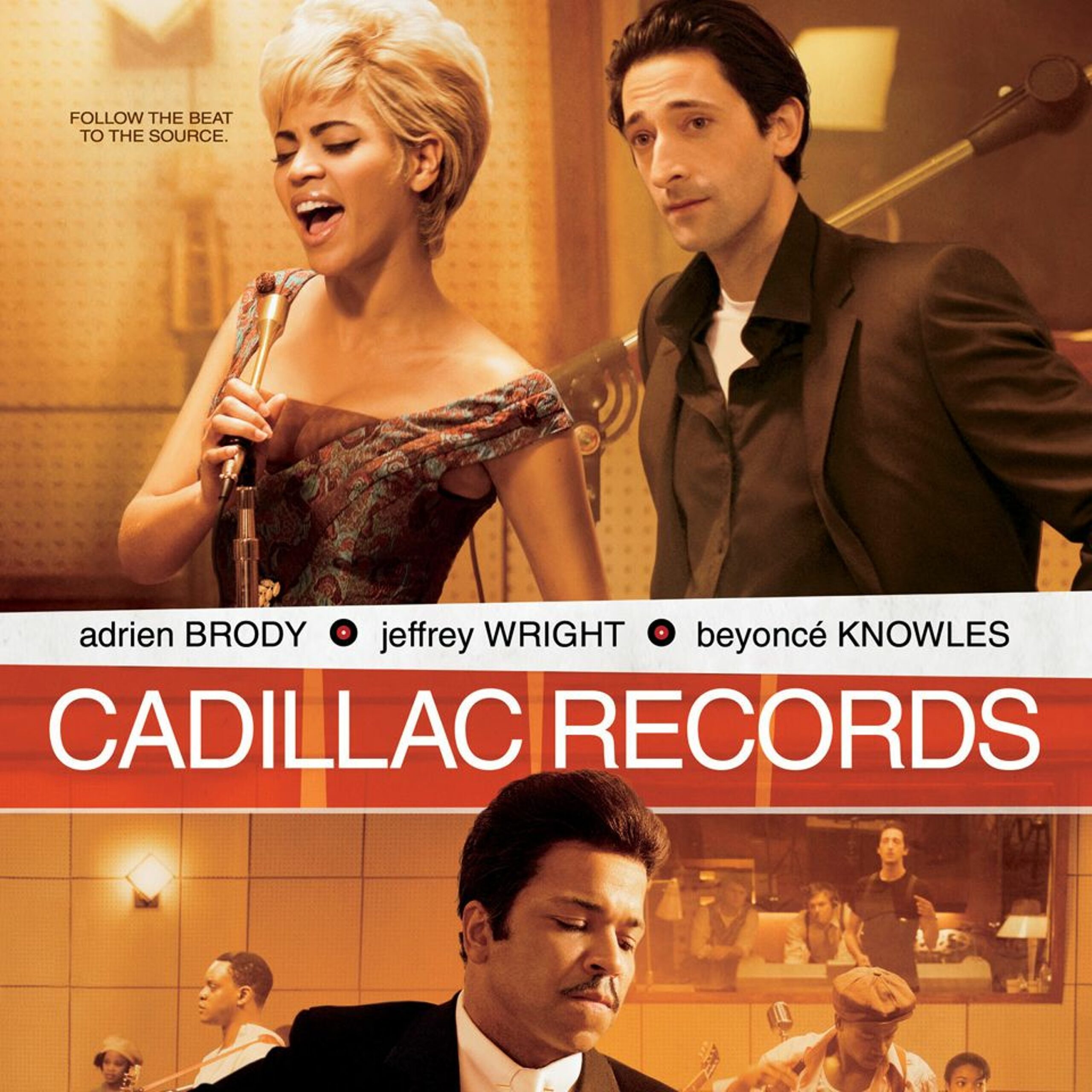
FMC 020: Cadillac Records Directed and Written By Darnell Martin

April 11, 2026
Listen on Apple Spotify YouTube
Listen to this episode
Your browser does not support the audio element.
Also on Apple Spotify YouTube

Dive deep into Darnell Martin’s Cadillac Records, a powerful drama that brings the early days of Chess Records and the blues to life, featuring phenomenal performances from Jeffrey Wright, Mos Def, Columbus Short, and Beyoncé. This episode dissects the film’s nuanced storytelling and directorial choices, exploring why this compelling look at music history deserved more recognition upon its release.

What We Cover

  • Comparison of Cadillac Records to Dreamgirls and Hollywood’s tendency to repeat successful formulas.
  • The distinction between a drama based on musical history and a full-blown musical.
  • The tight budget for a period piece and the film’s unexpected home entertainment success.
  • Exceptional performances, especially Jeffrey Wright’s portrayal of Muddy Waters, and the dedication of actors singing their own parts.
  • Darnell Martin’s directing style, creative liberties with “true stories,” and career path as a female filmmaker.
  • Key production design choices, including visual contrasts, use of color, and attention to historical detail.

Key Moments

  • 10:09 Discussion of Jeffrey Wright’s powerful performance as Muddy Waters reacting to Little Walter’s death.
  • 1:4:50 Breakdown of Jeffrey Wright’s nuanced acting, particularly his use of non-verbal cues and eye movements.
  • 2:12:09 Exploring Darnell Martin’s necessary creative liberties and compromises in adapting real events and characters.
  • 3:12:00 Details on the film’s careful production design and costuming, including color symbolism and actor transformations.

Gear & Films Mentioned

  • Cadillac Records
  • Dreamgirls
  • The Five Heartbeats
  • Westworld (TV series)
  • Shaft (film)
  • Boardwalk Empire (TV series)
  • Casino Royale (film)
  • Quantum of Solace (film)
  • I Like It Like That (film)
  • The Social Network (film)
  • Selma (film)
  • Jimi Hendrix (biopic with André 3000)
  • Ray (film)
  • Malcolm X (film)
  • Sin City (film)
  • The Walking Dead (TV series)

Listener Questions

  • How did Cadillac Records differentiate itself from other music-focused dramas of its time, particularly Dreamgirls?
  • What creative decisions did Darnell Martin make to adapt the real-life story of Chess Records and its artists for the screen, and what impact did these choices have?
  • What challenges do filmmakers face when depicting historical events and real figures, especially concerning accuracy and managing expectations from estates and and audiences?

Full Transcript

Read the full transcript

Full Episode Transcript
In this episode, Reginald Titus Jr. and Casey G. Smith discuss "Cadillac Records," its historical context, filmmaking techniques, and powerful performances, drawing insights from the director's commentary.

Opening Discussion: Cadillac Records Overview
Reginald Titus Jr.: Filmmaker Commentary, episode 20. Welcome to Filmmaker Commentary, where we give you insights from our favorite filmmaking commentaries. These commentaries can be heard on your DVD and Blu-rays of your favorite movies. We'll show you how you can use these commentaries and apply them to improve your video production and filmmaking techniques. All of this here on Filmmaker Commentary. I'm your host, Reginald Titus Jr.
Reginald Titus Jr.: Welcome to another episode of Filmmaker Commentary. I'm Reginald Titus Jr. I'm joined with...
Casey G. Smith: Casey G. Smith. Welcome back, sir.
Reginald Titus Jr.: Good to be back, sir.
Reginald Titus Jr.: So today we are reviewing Cadillac Records, directed by Darnell Martin. 2008, $12 million budget. At the box office, not too hot, about $8 million. And it was distributed by Sony. And in the home entertainment DVD sales, made about $11 million.
Casey G. Smith: And it's like it just had a domestic release. I'm not seeing a, an international release at all.
Reginald Titus Jr.: So it had an international release, but it was like 747,000.
Casey G. Smith: Oh, wow.
Reginald Titus Jr.: Yeah. Something like, yeah, it was so low. It was like, they probably didn't put it everywhere.
Casey G. Smith: No, clearly, clearly not. Not on IMDb Pro.
Reginald Titus Jr.: How did you watch this film? You know, me personally, I've seen it years ago. So, you know, how did you watch this film? And when was the first time you watched it?
Casey G. Smith: First time I watched it was a couple years back. Uh, my pops had let me, I might have watched it at my dad's years ago. It's crazy that it's 10 years ago since it came out. Yeah. It would so it would have been, it would have been before 2011. So yeah, I think it's through my dad that I that I that I watched it. So maybe like in 2010 or something like that. So it had been a while. So, uh, when you mentioned this, okay, I need to re-watch it. So I re-watched the film and, you know, when I, when I, yeah, when I got the copy, you were mentioning that this is, this is, this is really good. And I remember being okay for me the first time around. But now seeing it again, I was like, man, these performances are excellent, the direction excellent. So yeah, re-watched it again, watched the special features yesterday and then today I watched and listened to the commentary.
Reginald Titus Jr.: How about you?
Reginald Titus Jr.: Now, when this movie came out, I think Dreamgirls came out like a couple years before that.
Casey G. Smith: It was '06, I believe.
Reginald Titus Jr.: '06. So, you know, everybody went through the the whole Dreamgirls thing, and that made money. That, you know, the budget was big, it made its money. Like everybody talked about that. Uh, Jennifer Hudson got her Oscar, right? And so all that happened, and then you get Cadillac Records like two years later. So if that comes out two years later, you know, you have the Dreamgirls basically probably in their DVD season, around the time, you know, the end of their DVD season by the time this movie comes out. So in my brain, when this came, I'm like, what, why? You know, we you know, like just not knowing the story or anything like that. Just seeing the trailer, it's like, didn't we already have the musical movie, you know, like that from just from a marketing standpoint, like as a consumer, that's probably what my first thoughts were.
Casey G. Smith: Do we need another kind of black music origin story period piece that seems to be somewhere around the '60s? Right. Because I mean, in essence, that was, that's what Dreamgirls has and, and to a degree, Cadillac Records, just on on the surface. But once you see the films, they're totally different. So if you have not seen Cadillac Records, number one is always, spoilers.
Reginald Titus Jr.: Yes, there are spoilers here.
Casey G. Smith: Spoilers galore.
Reginald Titus Jr.: All the time.
Casey G. Smith: All day, every day. So if you haven't seen Cadillac Records, we highly recommend going and watching the film first. And this is different from Dreamgirls. And we had this discussion earlier that Dreamgirls is a musical.
Reginald Titus Jr.: Yeah.
Casey G. Smith: Yes, this film has a soundtrack and there's a score and all that good stuff. But they will break into song in the middle of performance when things get heightened. That's what musicals do. You get to a point.
Reginald Titus Jr.: And you got to sing. Let's sing.
Casey G. Smith: Cadillac Records is a is a drama based on musical, based on musical history and, and really the birth of the blues and its transition in its pioneers and its transition into um giving birth then to rock and roll and then later on, you know, we would get R&B. Uh, it it has an influence in jazz, but yeah, this is, yes, there are songs that are being sung, but they are sung in the context of songs that that were recorded. They aren't singing from, it's not about the performances.
Reginald Titus Jr.: Exactly.
Casey G. Smith: These are these aren't expositional songs. Uh these are real songs that were recorded and, impressively enough, the real actors are singing the songs. Very, very impressive.
Reginald Titus Jr.: Yeah, we'll we'll dive in that to that a little bit later. So originally, when it came out, you know, it was in the theaters, in my brain, I was just like, I don't know, it might be too soon. I think the timing was a little bit off.
Casey G. Smith: Mhm.
Reginald Titus Jr.: But when it eventually came to home entertainment, which explains, you know, them making more money home entertainment than they did in theater, I really enjoyed it the first time, you know, first time I watched it, it was probably about 2010, somewhere around that time when when I did watch it actually. And I was blown. I was like, kind of looking back, this should have been a hit.
Casey G. Smith: I agree.
Reginald Titus Jr.: It should have been a hit in the theaters.
Casey G. Smith: Yes.
Reginald Titus Jr.: At least made money.
Casey G. Smith: I agree with that. So I I you know, we timing, timing, as they say, is everything. But it it's it's it's fascinating because if Dreamgirls did so well, Right. You know, in in typical kind of Hollywood fashion, hey, that did well, let's greenlight something else that's similar. Why wouldn't it do well? You know, we live right now in the time of a lot of comic book films. You know, there are a lot of comic films coming out and and hey, it does well, let's let's drop another one. And these are coming months apart. But for whatever reason, with this at the time, it it just it didn't it didn't hit. And again, I had the same thoughts when when I initially saw all the previews and all that, I was like, I'm okay right now. And you know, I I love musicals, and you know, it's not a musical. I I love I love also movies that have that has singing in it. Right. Um again, you know, Five Heartbeats.
Reginald Titus Jr.: That's the pinnacle. Like if out of just black movies that involve musicians, with performances about music and the changes through the different decades, I don't think you can get any better.
Casey G. Smith: They're like this. I wish. Ah, don't get me started. So but yeah, you you would figure that based on Dreamgirls' success, Cadillac Records would have been a hit. But I I'd be fascinated to see what what other constraints, uh, maybe it was a marketing constraint because you hear um, Darnell Martin talk about the the budgetary constraints and $12 million. It's not enough. That's a that's a tight. For a period piece, it's honestly, it's not enough. That's a tight budget, man. They they pulled it off and I I I would I would assume they pulled it off because of her background in television.
Reginald Titus Jr.: Mhm.
Casey G. Smith: That's the way that's the reason they were able to do that. But to make things bigger and to explore the world a little bit more, more money would have been necessary to do that.
Reginald Titus Jr.: A $12 million budget and then if it only grossed 8.2 over its lifetime, and if that's not including you, you know, your PNA, then I mean, that means the production company, so it took a it took a little bit of a bath on this thing. You know, that's a that's a that's a unfortunately, that's a that's a loss. You know, it didn't even break even. So, um, you know, as we as we are exploring different women directors, it it's fascinating because it seems like some men would have an opportunity to make a film, fail potentially, and maybe have a chance to come back a little bit sooner. But when when I looked up when I looked up Darnell Martin as far as like a director, you know, she's like, kind of like Patty Jenkins, she has done a lot of stuff on television and was doing television things before she she went to this and before this, she had her first major film was I Like It Like That, which she also wrote and directed. And then she does this, I mean, after afterwards, it's I think it's a lot a lot more television. But there have been other directors who have had bigger budgets, who had bigger bombs, who've lost way more money, who then had a chance to make more films. I don't know if it was her active choice to stay in television, maybe she likes it there, maybe she likes longer form storytelling or what. And I don't know, I don't know why she wouldn't have had, you know, been able to have maybe a bigger budget to do this again, especially in light of of Dreamgirl. What do you think about that? I'm going to look up Dreamgirls' budget.
Reginald Titus Jr.: I know we're speculating and, you know, and they were on a very tight budget and maybe the the distribution company, maybe they were doing favors, maybe they didn't just maybe they just didn't believe in the project from the beginning that happens quite sometime, especially with these independent projects. You know, they just throw a little bit money, oh, hey, we put it out there. It wasn't really successful. Okay.
Casey G. Smith: We tried.
Reginald Titus Jr.: We tried. And same thing with Five Heartbeats. Like, going back and look at the numbers on that, it really wasn't a great performer theatrically. It basically most of the people that saw that movie was VHS. It was the home entertainment.
Casey G. Smith: That's where I first saw it. Was home video. CCI video, North Dakota.
Reginald Titus Jr.: And same thing here, you know, most most of the people watched it home entertainment. That's how we discovered it.
Casey G. Smith: Mhm. Yeah, Dreamgirls was between $70-80 million.
Reginald Titus Jr.: That's crazy. What distributor was behind Dreamgirls?
Casey G. Smith: Uh, I know it came out through 20th Century Fox, I believe.
Reginald Titus Jr.: What I do like is how um, Beyoncé became an executive producer of this film.
Casey G. Smith: Ah.
Reginald Titus Jr.: You know, after seeing, you know, after being in Dreamgirls, I don't know her role as producer or anything like that, but...
Casey G. Smith: You know, I apologize on that. That was actually distributed by Paramount.
Reginald Titus Jr.: Oh, okay. Dreamgirls was distributed by Paramount.
Casey G. Smith: Production company was Dreamworks, distributed by Paramount.
Reginald Titus Jr.: And I yeah, again, just how Beyoncé came in, you know, fresh off Dreamgirls, went through that whole roller coaster. Like, hey, let me let me produce some of these films. As well if I'm going to be in it, singing, doing my thing. You know, I'm going to be behind bringing some of these other stories to light. Like who wouldn't known about Etta James. I don't know if Etta James' character has been in any any other movies.

Character Portrayals and Stellar Performances
Reginald Titus Jr.: Favorite scene?
Casey G. Smith: Uh, favorite scene, I would say that my favorite scene, I think it's okay, all right. Maybe it's it's it's I guess partly the most impactful and that's that's when when Little Walter after after he dies and and and Muddy sees him. And, man, Jeffrey Wright's performance to me in that moment, the way he's embodying the character of uh a man who had grown up in essence on a plantation as a sharecropper, just just slightly above the status of a slave, who had come up, who had found himself, found a sense of pride and manhood, and was a musician loved by many of his people and and to see the body of his best friend in his house, who was like a son to him. And just his his his movements and his mannerisms where he's trying to show this vulnerability to to reach out and and and and and literally touch him. And how how he's so tender, yet hesitant as well in terms of trying to like just touch him but like not not quite being able to. It's also showing him trying to hold back that vulnerability. And then once they get the body and and and take it out and he's like, well, I guess we'll we'll we'll we'll get we'll make some arrangements and all that. And then you and even this, see the way he goes up the steps, like this this weird kind of run. And he's trying to get there and he gets up and then he and he closes the door and you hear the wailing. You hear the wailing of a of a, I mean, a grown man, a proud grown man whose heart is being broken by seeing his friend die. That, yeah. That is that is powerful, man. I don't know if that's my favorite scene, but it is it is the one that that that got me. I was like, man, I was like tearing up. Like, ah!
Reginald Titus Jr.: Yeah, that means you're human.
Casey G. Smith: Yes, that's good to know. I'm not a clone. Yes. How about you, man?
Reginald Titus Jr.: That definitely that's one of the scenes that stick with me. That one, uh the scene towards the end with Adrian Brody when, you know, she, you know, Beyoncé, Etta James is doing her thing and that song's powerful. Like just how they capture her, the tears rolling down her eyes, she's singing and he's just he can't take it. You know, he's losing his love, which is the company. It's uh, man, that one, that's a beautiful one. But those two scenes, of course, are very powerful. Love both of those scenes. Those are both tear-jerking scenes. Um, but the character Walter, one of the scenes when they're like pulling up and there's like a a fake Little Walter that's, which one of y'all Little Walter? And then...
Casey G. Smith: I'm Little Walter.
Reginald Titus Jr.: Oh, man. And then he just shoots the guy. I was like, I I mean, it's about, you know what I'm saying, black on black violence, not good. But, um, I don't know why that's funny.
Casey G. Smith: Because it's done so he's so casual about it. Okay. Bye. He he barely's looking at him when he pulls the trigger. He actually may not be looking. He like, his aim is it turns that shoots and starts walking away already. It's like, I got you.
Reginald Titus Jr.: Oh, man. So.
Casey G. Smith: And it's just like, wow, it's casual.
Reginald Titus Jr.: That scene, um, from an acting standpoint, uh, Jeffrey Wright, the way he plays his character and the eyes, his eyes dart around when he's looking for answers or he's trying to say something. His character tries to Muddy Waters trying to say something, he's saying it with his eyes without without saying the word. So when he, for example, when he comes into the room and uh Little Walter trying to hook up with his wife or whatever. He comes in the room and his his eyes start darting left and right. You're not, you're not hungry. You know, he's he's searching for the answer and he does it several times in this movie. When when you know something's about to go down, his brain is working. He's just trying to find the right way to approach the situation.
Casey G. Smith: Well, even when when he first meets, um, Gabrielle Union's character, and she's, you know, talking to him out the window, just saying, yo, you must have like, you know, four or five, you know, numbers or addresses in your pocket. And he and the way he's kind of just like, hm? He reaches in his pocket and he grabs the numbers, he throws him out, he's like, mm, nope. No, no, no, no, no numbers here. It's just so it's just so casual. I mean, he's just embodying this this dude from the from the South from, is this Mississippi, right? From Mississippi. During that time, and when when you see him as many roles as Jeffrey Wright has played, it really gives you an appreciation of his of his his range. I mean, this is, I mean, this is this is this is a powerhouse actor. A Tony Award-winning actor. I hope one day an Academy Award-winning actor. He's just just quality. I mean, if you're a fan of Westworld, Westworld, plays in nerd in Westworld, plays this. And then he's played Peoples, a gangster in Shaft. He's in Boardwalk Empire and he's uh had a couple roles in in the um Casino Royale and in Quantum of Solace. Uh and the James Bond films. Just again, a a powerhouse uh of an actor, which is wonderful, wonderful range.
Reginald Titus Jr.: So, yeah, love those scenes. Columbus Short held his own uh in the in this piece. Hilarious.
Casey G. Smith: Yes.
Reginald Titus Jr.: And I didn't know he could I didn't know he could sing.
Casey G. Smith: I didn't either. Like, a lot of these actors probably didn't know they could sing either.
Reginald Titus Jr.: Yeah. Well, the gentleman who played Wolf, um when he was brought in, I mean, he literally when uh when when Darnell told him that he was going to have to sing, he was like, I I I don't sing. I'm an actor. Yeah. But then when he he came in and he did his part, he crushes it, you know, and does he does the whole howling thing and but just takes command. Most Def, I love Mos Def in this. Right? Running Walter. Like all these characters they play with these little quirks and the things that they're just so so different, you know, it's hilarious how quirky he is in this movie. And but she said that he captured like that Chuck Berry was a little you know, like a little nerdy. And it's like, okay. I I would totally buy that. You know, then the clips that I've seen of Chuck Berry. It's like you can tell he was just a unique a unique guy. Man, when you see how much he did to birth rock and roll, yeah. The fact that the fact that he do he had to sue the Beach Boys for, you know, Surfin' USA taking uh, is it what is it from Nadine? Or Maybellene. I'll forget which which song it is. But when you're going to go and listen to him like, oh, that's that's a jack. Yeah. I like movies because they reintroduce history. Like I didn't know about Chuck Berry or anything like that. Mhm. Back to the Future, though. Johnny B. Goode, you know, Mark doing his thing and playing and it's like, oh, I know that song because of Back to the Future. And so they they introduced this historical people through movies. So, anyway. So, yeah, so those are some of the favorite scenes. Um the commentary, it's Darnell Martin by herself, she's speaking, she's got this soft, soothing voice, a little bit of texture, kind of.

Creative Choices, Budgetary Constraints, and Historical Accuracy
Casey G. Smith: It's real nice. I mean, you just say, Reg, she's got a nice voice.
Reginald Titus Jr.: She's got a nice voice. And the mood. I I don't know what mood she was in when she did this, you know.
Casey G. Smith: It's it's it's it's a very nice texture. It's very soothing. Yeah. Uh yeah, it's easy lesson.
Reginald Titus Jr.: It is.
Casey G. Smith: Quiet storm.
Reginald Titus Jr.: Her her voice reminds me of Jennifer Lopez, like her speaking voice, I don't know why. Not spot on, but it does remind me of Jennifer Lopez. Not it's kind of like seductive in a way, but not overly seductive.
Casey G. Smith: Sure. Because she well, she's she's she comes across also as very sincere. You can tell she has a passion for the music, for obviously for for for film. Uh she speaks so highly of of of the cast. She speaks she she speaks so highly of everybody. And even when she's talking about things that were difficult, there's just a sincerity to her. And yeah, she she she seems like a genuinely friendly person that loves life. And all those things come through. And she's also, I mean, she's done some a little bit of acting in some in some ways. But her voice is one to me, it it when you hear certain people's speaking voices, it almost gives an inclination that they can sing. Hearing her voice would made me think that she can sing. I have no evidence to back that up, but just hearing that kind of, you know, that raspiness, usually it seems like there's some kind of vocal power or accompanying behind that. I'd be very curious to to know, uh, Miss Darnell Martin, if you are listening to this, can you sing? Do you sing?
Reginald Titus Jr.: Ha.
Casey G. Smith: Ha. You know, also she's a fan of music. So I wouldn't be at all surprised if she played something. And her mother was uh a dancer, ballet ballet dancer.
Reginald Titus Jr.: So she was in the arts. Yeah, musical arts, in some kind of way.
Reginald Titus Jr.: Um, the commentary, it has a blend of she tells backstories of the characters, of the music, um, she has also technical examples of how she would shoot things and also as a writer director, she gives insights on her writing decisions. And um, I think this is it's pretty good commentary all the way around.
Casey G. Smith: Yeah, I would say the same, it's pretty pretty good commentary. It's balanced. It is balanced.
Reginald Titus Jr.: So, this commentary, you know, Filmmaker Commentary is about, you know, us giving you gems that the directors and producers lay out on the commentary, so you don't have to listen to them. So one of the...
Casey G. Smith: You might want to, because the voice is really nice.
Reginald Titus Jr.: Yeah, this one you might want to check it out. It's pretty really nice.
Casey G. Smith: It's pretty nice.
Reginald Titus Jr.: Uh, point number one, contrast two worlds visually. So there's at the opening of this movie, we see Muddy Waters, Mississippi, sharecropper, dusty, his hair's fro, like a small fro, unkempt. I shouldn't use those words.
Casey G. Smith: You know, we got a movie where we come on, stay on brand, man.
Reginald Titus Jr.: Oh, man. Uncombed.
Casey G. Smith: You natural.
Reginald Titus Jr.: He's yeah. Very natural. All the way natural. And you you know, he's sweaty, you have the guys from Library of Congress that are actually looking for Robert Johnson, but Robert Johnson has passed away. So they've gone, they find Muddy Waters to to record him. But you you contrast that with Chicago. And you just see the visually you see the difference of these two worlds.
Casey G. Smith: Yes.
Reginald Titus Jr.: And you and she was able to do that because they shot this Mississippi scene in in Angola with Angola Prison, which is in Louisiana because I guess because they didn't have any telephone poles.
Casey G. Smith: Telephone poles. So you just you just see stretches of land, which would be indicative of that time period.
Reginald Titus Jr.: Absolutely. Point number two, character development. Jeffrey Wright, he actually learned the guitar in order to embody Muddy Waters.
Casey G. Smith: And boy, does he. He absolutely does. He said he had that guitar with him, you know, months months before the the shooting began, principal photography, he would carry with him, he was always practicing it, even even when he was around his kids, he had that guitar with him. And I I just I really appreciate again, all the actors in this film and their dedication. Uh when you see them doing what they do from their singing to their playing, it's believable. And because they they go all in.
Reginald Titus Jr.: And another part of that like character development, some of the actors actually had, was it all the actors actually ended up singing songs for this film? You have the guy that's playing Howlin' Wolf.
Casey G. Smith: Yep.
Reginald Titus Jr.: Who actually sang that you just talked about. Um, you have Jeffrey Wright that actually sang.
Casey G. Smith: Yep.
Reginald Titus Jr.: You have Mos Def.
Casey G. Smith: Yep.
Reginald Titus Jr.: You have Columbus Short.
Casey G. Smith: Yep.
Reginald Titus Jr.: And of course, Beyoncé.
Casey G. Smith: Yep, yep, yep. Well, again, when after after watching the film, I went and jumped on um Amazon Prime and I looked up the soundtrack. And just about all the songs are are the songs that were sung by the actors in the film. It's it's not even like the original versions of the songs. It's the actors' renditions of the songs. There's a couple of extra cuts on there too. But yeah, these are the real these are the the real actors singing.
Reginald Titus Jr.: And she had a producer that helped them kind of develop. And I don't know I don't have the guy's name, but what a great job he did to get these people prepared to do this because...
Casey G. Smith: He played the drums in the background. He was playing the drums in the background in the opening scenes in in the in the in Chest Records.
Reginald Titus Jr.: Smart. Very smart.
Casey G. Smith: Mhm.
Reginald Titus Jr.: Uh point three, you know, when you're doing stories that's based on a true story and not necessarily documentary, there's a lot of creative license, right? Because you're basing it on the true story. And so one of the examples could be like um Geneva, who is Muddy Waters' wife. She wasn't really a nurse in real life. Right. And she's played by Gabrielle Union. And so what Darnell Martin ended up doing is taking Wolf's Howlin' Wolf's wife and combining her with Gabriel with uh Geneva. Because Geneva in real life wasn't, like I said, wasn't a nurse, but she combined the two together. And that was also because of budgetary constraints. You know, she originally started with like a 150-page screenplay, which was just too much with the budget they had. So she ended up fusing those two together. So, definitely some creative license had to be had to be taken as we'll see with some of the scenes later on.
Reginald Titus Jr.: And I think people who watch these movies, you know, me too, you know, it's um, sometimes you take it for its face value, you know, outside of us doing commentary and actually studying these films, we would take it for what it is, you know, we would think that there's an actual relationship between Etta James and Leonard Chess. We would think Geneva was a nurse based on what we saw.
Casey G. Smith: Sure. And that is one thing to also, you know, I think we also all have to keep in mind when we go to see films and we and we know that it's based on a true story. Base, that's the thing with base. You you really don't know how much of it is based on it. Base could be just simply the, I don't know, the date or the era and the people. That might be as far as the base goes. It may be the setup of the event, but maybe not necessarily how the events actually unfolded. I think what we why we get so sucked in at times because if the director is is good and and Darnell Martin is really good in this and the actors are good. So what we get are true performances. The performances are 100% true. They are, they are authentic and she has these beautiful, tight closeups that draw you in because there are true performances. Therefore, making you almost ready to believe that this is how it went down, when that may not necessarily be the case. So, you know, when you watch when you all watch films based upon based upon true stories, uh, we also might want to see maybe the special features that might have some supplementary information, maybe listen to the commentary, um, unless you listen to Filmmaker Commentary, we try to save you that trouble. Boo, yeah.
Reginald Titus Jr.: Boo, yeah.
Casey G. Smith: Or go back in and look up some historical or documentary information to make sure you have your facts straight and know what really went down.
Reginald Titus Jr.: As a director, you know, I think about, you know, eventually, will I want to do a based on a true story or do you just want to go ahead and just do the documentary version of it? Because people are still going to look at it. I remember when the Social Network came out with uh talking about Facebook and Mark Zuckerberg and because of how well what's our guy's name that played Mark Zuckerberg in Social Network?
Casey G. Smith: Yes. Um, that is Jesse Eisenberg.
Reginald Titus Jr.: Jesse Eisenberg did such a great performance that you think that Mark Zuckerberg is just this complete jerk, just in real life. He might be, but...
Casey G. Smith: That's the impression that we're left with from a true performance that just rings so true, you want to believe it that that is the reality of that that human being. Mhm. Which maybe it's just a facet of him. Maybe only at certain times versus it being his his nature all the time.
Reginald Titus Jr.: And people that were close to Mark Zuckerberg at the, you know, they were saying that's not him, you know, and there were defending him. But, you know, they had to capture this guy and then make it dramatic. And and so you do have license, but people based on that would think that's how it went down and how he is. And so it's, you know, there's a lot of care that you have to take because you are telling a story about real people and and their families and their lineage.
Casey G. Smith: I think also, when we when we talk about license, it it and family, we get some biopics that sometimes you are dealing with the estates and families who sometimes have input in a way of how they want that loved one to be perceived. Sometimes they may want to not have some of the less flattering things that may have happened in someone's life be kind of looked over. But yeah, that's always going to be an interesting kind of back and forth between the the parties interested in making the film versus the estate, especially if someone has has passed away. Especially in a situation like this, where you have multiple people, like different ones who have passed and you're trying to, you know, work and work work work with the estate to have that permission. But also from a license standpoint, you know, there's also a huge difference of whether or not you get the license for the music, especially when you're dealing with artists. You know, there was that Jimi Hendrix pick that came out a couple years ago with Andre 3000. Uh I didn't see it. I don't know if you saw it or not, but I heard that he gave a good performance, but they didn't have the license to the music.
Reginald Titus Jr.: So what did they play?
Casey G. Smith: That's a good question. I didn't see the movie.
Reginald Titus Jr.: That's that's a no-go. That like, if you don't have the music and you're not going to play. So I wanted to they have to replay the music because, you know, in this one, they replay the music, but were they even allowed to replay his music?
Casey G. Smith: I don't think they had a license to the music at all.
Reginald Titus Jr.: Oh, man. That's a that's a no-go.
Casey G. Smith: Yeah. So I I I'm I'm curious to see it. I I never have. And...
Reginald Titus Jr.: That stops the movie. That stops it. But, you know, just like uh the movie Selma, where Ava DuVernay, the speech, I think they wouldn't allow him to do this, allow her to do one of the speeches. So there was a new speech that had to be created because he didn't do the they wouldn't allow him to do the I Have A Dream speech. It was one of the speeches, one of his famous speeches. They wouldn't allow. So they had to rewrite it.
Casey G. Smith: But I think that's a far easier workaround than when you're doing a a music biopic where music, I mean, their music drives those pictures. Can you imagine Ray without Ray Charles' music? You're done. Again, you're done. Yeah, that's you're done without the music. If I was a movie about music, I'd be kind of pissed. Like, wait a minute, we we're doing a Jimi Hendrix biopic, but we're not going to have any of the songs? Yeah, you're done. How how does that happen?
Reginald Titus Jr.: We might have to watch now that you brought it up.
Casey G. Smith: We just might have to just for the just yeah. To learn the crash course and how to do that.
Reginald Titus Jr.: Yeah. But, you know, with public figures, because they're public figures, you know, you're allowed to tell stories on without actually permission. So.
Casey G. Smith: Good to know.
Reginald Titus Jr.: There you have it.
Casey G. Smith: There you have it.

Visual Storytelling and Production Design
Reginald Titus Jr.: Finding the compromise. So you mentioned like how she had the 150-page script, that had to be cut down, um, just because she couldn't incorporate every single thing into it. And she, you know, she was a writer director of this film. So, you know, she had to make those tough decisions on where to cut, you know, and so things like about Howlin' Howlin' Wolf about his wife not being in the film, so incorporating some of those characteristics into Geneva's character. So, sometimes you're going to have to compromise. So you got you have to make that choice, make it be decisive and you have to move on from that and and learn to live with that.
Casey G. Smith: But it's also learning what to keep. And so she mentions that with Columbus Short, you know, she said that that that Little Walter is her favorite character in the film. Right. And that she had an insurance company, I guess they had insured the film that was like kind of breathing down her neck like the whole time during production. And so this was a very tight and restrained um production where there were were few takes and said with his scenes in particular, the insurance company wanted to cut Columbus Short's scenes.
Reginald Titus Jr.: Wow.
Casey G. Smith: And he gives, I mean, he's not in the film a whole lot, but the scenes that he's in. He feels like he is. It does, right? But when you see them number of scenes that he's in, early on, he's he he's peppered peppered in throughout, but whenever he pops up, I mean, he's just, you know, he he he's um is powerful. And so they wanted to cut his scenes and she, you know, obviously fought against that. But that also meant that when he was shooting, he had to nail, he had to nail his scenes in very few takes. And so but I mean, Columbus Short is, I knew he was a dancer. I'd seen him in, you know, Stomp The Yard and things like that. But I didn't know he could sing. He did it, he did his thing. He sounded good. And and you see this transformation of him going from a guy who uh this this young kid, you know, 17 years old, who had from historical facts, had been playing since he was like 10 or 11. Yeah. And to see him go from a kid who only drank like soda pop to, you know, going to alcohol and then weed, and then heroin. Yeah. Um, and and then that she said that his face you know, I said he was, you know, a strikingly handsome young man early on. And then we see the scenes where the police are literally bashing his his face against his own Cadillac. And she said, she wanted his face to represent to represent the blues. Yeah. And that by the time we see him in that in that last some of those last couple of scenes when he's back in in uh Cadillac Records and in in Chess Records, getting set to play when his his amp gets taken away. His face is is that of a bloated, beaten heroin addict. Yeah. Which is sad, but his his face literally has become that of the blues.
Reginald Titus Jr.: And he when he passed away, he was 37 years old. But she said it looked like he was 60 something years old.
Casey G. Smith: That's a hell of a thing to say about somebody, you know, when you say, why, you look 30 years older. What kind of life, man?
Reginald Titus Jr.: Yeah, seeing when when, you know, he sits down and uh he said, all right, all right, I, you know, I'll sit down, I'll do what I got to do, but I need some gin though. Then Muddy Waters like, you all going to give him the gin? You all It's about to take care of Walter. Somebody's taking care of Walter. Somebody's taking care of Walter. And then you cut to Jeffrey Wright's face and the eyes are moving again because he feels guilty. Mhm. Yes, he does. You cut to, you know, Columbus Short just guzzling like water. Guzzling the gin. Yeah, he does feel, he does feel guilty because he knows that if that had been Howlin' Wolf, Walter would have had his his amp still.
Reginald Titus Jr.: That and, you know, he's an addict, you know, so like all that he feels guilty, he gave him that, yeah, gave him that first drink. So that's also, yeah. So he knows that he needs it now. Mhm. And so that's also playing as well.
Casey G. Smith: That's a heck of a that's a heck of a burden, man. Heck of a burden.
Reginald Titus Jr.: So speaking about the insurance, like the insurance company, you had mentioned it, that's uh very, very when you have insurance companies that are breathing down your neck, this is serious business because if you don't make your day or if you're late, that insurance and bond company can take your film. It happened to Spike Lee and Malcolm X. They took over they took all the film. It was no longer belonged to him. Mhm. And so he had to get other people involved in order to get it back.
Casey G. Smith: Didn't Oprah and Michael Jordan and...
Reginald Titus Jr.: Yep. And and I'm I'm thinking Cliff Huxtable based on what he was saying is it was gifts. Like it's not like they were all of a sudden investors and producers.
Casey G. Smith: Mhm.
Reginald Titus Jr.: It was like straight up gifts.
Casey G. Smith: Man, that's a blessing right there. That's that's that's powerful.
Reginald Titus Jr.: Unbelievable. So, another point, use the set to tell how a charac a character is feeling. So, a lot of production design was put into this film, especially dealing with colors and everything. Um, but there's a scene where um Leonard Chess is in the hallway and it's like it feels dark, it's lonely, desolate. And then in the opposite room, they were in the hotel, you have Muddy with all these women, and they're all having a good time, he's playing music.
Casey G. Smith: Right.
Reginald Titus Jr.: And the scene is like well lit and it's warm. And so, um Darnell is visually telling you how to she's explaining base, wait, is that what she said, she's not afraid of the not afraid of the dark?
Reginald Titus Jr.: Yeah, not afraid of the dark. She's basically telling you how a character feels, I had lost my point. She's telling, she's telling you something else. She was telling you how a uh character is feeling based on the set that they're in. So he's in the hallway, Muddy is in the other room that's warm and that's how they feel visually.
Reginald Titus Jr.: You had mentioned that you looked at some of the special features dealing with production design. What are what are some things that happened on the production design tip?
Casey G. Smith: So one of the things they talked about with the production design, in the film, uh there's one production designer, uh Linda Burton. And then also your the young lady who handled costuming. In addition to the uh production design, uh we had also Janetta Boone, who was the costume designer. So, of course, they talk about when you're dealing with a period piece, especially with with a small budget. They talked about knowing where the camera is going to be. So if you have a scene where you know where the camera is going to be and let's say, let's say it's a scene with Muddy. And let's say they're in the studio. And you know you're going to have a a shot where he's going to be, you're going to see him kind of, you know, full frame, head to toe, then you know he needs to be rocking some patent leather shoes and everything needs to really play to that time period and he needs to look true to the character. But if the character's only going to be shot in a closeup or from the waist up, then while the characters will still be dressed appropriately for that time, the same amount of care does not have to be put into, let's say, the shoes or the pants. They'll still be time period appropriate, but you can kind of cool out. Or if there needs to be something like in the window, but the camera is across the street, like a wide shot, then that could just be a blank piece of paper in that sense. So, uh if your production and set designer is know where where the camera is going to be, they can plan accordingly to how much effort needs to go into each shot to to set it up and and and break it down. Uh, they also talked about when when you're dealing with sometimes a lot of people make the mistake of when you're dealing with a period piece that if you can just go into a a an antique shop or a thrift store and then you can just find old stuff from that time period that might be, you know, rusty and and and and look old. But here's the thing you have to understand, when when Chess Records, when Lenny bought that studio, that equipment was state of the art. There's no and there's no way it would look old and beat up. It was brand new then. So, they had specific people they hired whose their jobs were literally to to polish and and and shine up that equipment to make it look like as if it were brand new for that time. Make sense. So, understanding those details is key. And speaking of of of of details, I don't know if you noticed Norman Reedus from The Walking Dead fame, was the audio engineer in the booth.
Reginald Titus Jr.: Oh. But see, yeah, I haven't seen one, I've seen half of an episode of Walking Dead.
Casey G. Smith: He's playing he's from I'm familiar with his face, though.
Reginald Titus Jr.: Yeah. The guy with the bow and arrow. Yeah, but I know his face. Like he's such a famous face now. I I do recognize his face.
Casey G. Smith: Norman Reedus back there. Was he in Blade? I don't know. Was he with the whistler in Blade? I don't know. Interested to find out. But yeah, they were they were very big on on on the details and knowing when to emphasize them, when to add more, when when to take away. And of course, with the with the costumes, like they um obviously we hear about with with with Chuck Berry, when they brought him in, she wanted to make sure there was a lot of red. And that was also a way of taking the film from kind of the the the blues and the the the the grays and the and the greens and kind of the somewhat natural kind of but darker drab kind of colors to now when Chuck Berry comes in, kind of bringing in rock and roll, that's almost like a technicolor and there's this pop to it all. And in every scene that Chuck Berry is in, he's either wearing red or there's red in the scenery. Oh, that's consistent throughout. And then with Etta, you know, the things that she wears, there's a lot of thought obviously that went into each outfit that she wore. And and in Beyoncé um having to put on weight for the role. Man. You know, like she put on she put on weight, changed the way she walked, the way she stood. Out here in the south, we like to say, thick. She's a Southern girl. Yes, she she she I wanted to know how many pounds she put on. Yeah, I'd be fascinating because she really Because she didn't look fat, she just looked solid. Curvy. She had curvy. She looked solid. Like a softball player, you know what I'm saying? Yeah, she she she did what she had to do. And her walk, like the way that she was walking, I was like, what is she doing? Okay, Beyoncé. She switched it up. She went all in. But yeah, but yeah, with everything that she wore, her hair, I mean, they all just um made sure that the colors everything had a meaning to it behind it. Even when she meets her her father, uh Domino Fatts. Fatts, no, no, no. Domino Fatts, right? Uh the pool player. Um butchering his name. It's something Domino. No, it's maybe it's something Fatts. Ah, I'm anyway, when she goes to meet her father, the famous pool player, whose name eludes me, whose name eludes me. Um, she's wearing pink. That's true. And she's got her hair like it's little curls. But that's almost like should symbolize her like almost like a little girl trying to meet with her father. Uh, I wish I could remember his name, but he was a famous pool player back in the day. I almost said Fatts Domino, but he was a singer. Something. Anyway, but yes, so yeah, production design was was very big. And the uh special both special features I I believe are worth checking out. They they bring some nice nice insight.

Filmmaking Techniques and Commentary Highlights
Reginald Titus Jr.: Yeah, so kind of going back to that. Yeah, using color, point seven, um using the color, you know, to explain a feeling. And like like you were saying with Chuck Berry, he had red to explain to give you the feeling of rock and roll and his shirt and popping and his Cadillacs were red and everything was just popping off the like showing you the new thing that's happening. While where um Muddy Waters, his, you know, was kind of like more of a blue color, his Cadillacs were like more blue. Mhm. Kind of showing that contrast. And he sang the blues. There you go. Yeah, yeah. Point number eight, being true in character. So there's a scene that you uh we talked about briefly where Beyoncé and Adrian Brody, they're on they're in Etta this Etta James' house. There's no furniture or anything like that. She's strung out on smack and all that. And Darnell Martin is shooting in close, like real close-up on there. So, when you're that close on people, you can't cheat the scene at all. Mhm. Like you have to be all the way in character, rocking and rolling, you you can't cheat, you you have to be there. And being true to character, what she was saying is that you have to feel it. If they didn't have the take, they'll have to do it again because there's no way out. You know, you have to actually go there to make this scene believable. Yes. And it's truly it's it's believable. I really do like um shooting tight. And some of my video production stuff that I do, especially like shooting weddings and stuff like that, I really like to shoot tight in on the bride to see the reaction while her husband her husband's reading through the vows. And you could tell if they're in love or not.
Casey G. Smith: Oh, shots fired. Shots fired.
Reginald Titus Jr.: There's a lot of fake marriages out here. I'm just saying.
Casey G. Smith: Man, the camera won't the camera doesn't lie. And if if if something that true, that powerful, in that moment is being shared, you you you you can't hold back that emotion. You can't hold back that feeling. And if there's any time it's going to bubble up and show, that would be the moment. Yeah. You know, I've I've officiated one wedding, but I've I've been to a lot of weddings. And I've saw the expression on my friend's face when, you know, when the vows are being exchanged and she likes to joke around a lot. And she even tried to kind of stop herself from tearing up, but she but it was there. That that emotion was there. And then and the yeah, and and it the tears started started coming coming out. Like, yeah, that's real. That's real. That's real love out there.
Reginald Titus Jr.: So, point number nine. Oh, real quick, if if I could just comment on um that previous point with that scene, it it does ring so real, so true. And it goes back to what we mentioned at the beginning as far as Darnell mentions that she doesn't know if if Lenny and Etta ever actually exchanged even a kiss. Yeah, that's true. Yeah. But the way that scene plays out, you would think that, oh, man, maybe something was there. And again, also she mentioned that when she was trying to find Lenny's voice, cuz she when she was writing the script, she had trouble finding his voice. But she read Etta's um book and it was three things that she said about Lenny that drew her in and helped her find his voice. And um and he was like that only dude that could see through her toughness. She tried to play a BA, you know, all the time and and and and, you know, this woman that didn't need any man's help. But Lenny could see through that. And he genuinely took care of her. He didn't have at the end of the movie, we see he didn't have a will. But even after he passed, he had taken Etta's home and had her put it in his name because she was worried about her family taking it. And though he didn't have time to even make up his own will, he still made sure that when he passed, that she received papers that had the house put back in her name. And it's all like, I mean, clearly he had he had an affection and and and a love for her. Um, whether that was just platonic, uh or parental, I don't know, but there was definitely a lot of care there. And they're and they're they're um Adrian Brody and Beyoncé, their chemistry is undeniable in all the scenes that they're in from the very first meeting. I was so impressed with that. And again, I I think Beyoncé's performance, uh even though she had to be, you know, pushed to get there. But she was willing to go there, you know, Darlene said it was take after take, like you said earlier, and they just went deeper and deeper and deeper until it absolutely rang true. So, uh kudos to her. And Adrian Brody, I mean, he's an Academy Award-winning actor. Dude is dude is a boss.
Reginald Titus Jr.: When he um goes in to kiss her, you know, she's strung out on the ground and stuff like that. You're like, uh-oh. And then uh Muddy Waters and uh Gabriel and uh what was her name, Geneva? Geneva. Uh they come in, he's like, Geneva's a nurse. Like, they didn't know what to say. Geneva's a nurse. Well, whatever you want. I know what you want. But then they but then after that scene, they have like Muddy and and Lenny have this very kind of real conversation outside. And I I enjoy throughout the film, I enjoy those kind of touch points because it seems like the conversations they have when they come together and the two of them talking, symbolize like almost like big changes that take place throughout the film. Changes in their relationship. Also show kind of what's what's what's going on when things are going well, when things are not going so well. You know, when the money's coming in, when it's not coming in. Who's the next hot thing? Who's who's not the best thing? And and watching Muddy come up and then...
Reginald Titus Jr.: I like their like their their friendship too because Muddy is has wisdom and he always is telling uh Adrian Brody like what's going on, what it is. Like, you know, you're telling Walter to move his stuff, you know, anybody else who'd have got shot, you know, he's like kind of bringing him in to to this world. And saying, man, what are you telling that girl, man? You know, like kind of just keeping it keeping it real with him. You know, like because Muddy is hip to what's going on just kind of like in life. And a lot of times he's got to let, you know, his guy Leonard know like what's going on. Even with his own wife. Like, hey, man, go. Right. I'll I'll I'll go take it, Adam. Yeah. So, I I I enjoy that dynamic that they have with each other. You know, Lenny's taking care of him, but Muddy's also taking care of him as well. Mhm. And and Darnell Darnell makes a comment that she she enjoyed that relationship and then said that, you know, if if race wasn't such a big factor, that they really probably would have been the best of friends, you know, there was still a little bit of a schism there, um because of race-based things. Another thing about like the scenes and the settings, like she mentioned earlier also in the apartment that um Geneva and Muddy lived in, she mentioned how it was tough shooting in that space. And that when that wasn't an actual set. It was a home that they found and it was just it was perfect. And that they it was tough shooting with two cameras. I don't know if they actually shot with two cameras in that in that space. But, you know, lighting challenges. Yeah, lighting challenges. The angles were tough to get. Um, but also she mentions in speaking of of of of Lenny and Muddy again and their dynamic, you know, after Little Walter dies and they're at Lenny's house after he's been jumped. Yeah. And Muddy shows up and they're having that conversation. They kind of have almost like a bit of a a falling out almost. Mhm. And with that, she said she did shoot it with two cameras. Yeah. She said, when you do that, you can have overlapping, you can have the character, you can have the actors' lines overlap, um because of the cutting. Uh and of course, you know, Wolf Howlin' Wolf shows up and and uh he drops knowledge. He drops knowledge on Muddy, you know, he drops that financial knowledge in that that bigger picture. And even tells him that, you know, cuz Muddy is down to almost having nothing. And even some of Chuck's royalties are being sent to Muddy, you know, because the blues is is is is dying and he has almost nothing because he's been taking payments through these Cadillacs. And and even this point, the Cadillac that he has is an older Cadillac. Um but yet, you know, Howlin' Wolf shows up and he's got money. He he he he was paid what he was owed and just made his off of uh royalties. Who knows what he was driving, but you know, he didn't care. Yeah, I like the insight they gave with that guy's character with Chuck Berry. Kind of talking about how he'll be having $3,000 in his pocket and he'll eat just sandwiches, cold sandwiches outside of a front of a restaurant, kind of making a political statement. Like, I'm not spending money with you guys, with your racist. He said he saved over $100,000 in his first year. That's amazing. And and on top of that, um again, when he was arrested, he said he was at at the height of his career when that happened. Uh not justifying whatever the charges were, but uh makes you wonder that it makes you wonder, you know, uh about him being arrested in general. Um because I mean, I know, cuz he you know, he makes a specific comment when he's being arrested. I've got a good friend named Jerry Lee Lewis, whose wife, number one, is his cousin. And is, I think he said, like 13 years old, something, something like that. Which I mean, I I I knew that before, that he had, you know, married married young. But, yeah, that's 13, bro. Yeah. And so, I I know that's just it's just it's just it just makes you. Yeah. But it just makes you wonder at the time with with Chuck being arrested, you know, was that more than just about the breaking of the law? Was that somehow political? Was that another label that dropped that, you know? straight up political, that's. Because him to be where he was at that time and literally bringing in this new sound. And then all of a sudden, he goes away. I don't know how long he was in jail, but then all, you know, Beach Boys, you know, stealing his sound and then rising up and then Elvis just skyrocketing. And even you even see that scene where he's like, well. Johnny Be Good. There you go. Like, wow. Unbelievable. Cycles and patterns, systems. Oh, what did I miss on point six was actors, call your director in the voice of the character you're going to be playing. Cedric The Entertainer does that for Darnell Martin, and she's sold, right? Um, another character in Sin City, uh Nick Stahl called in the Yellow Bastard voice to Robert Rodriguez, left him voicemails. Yeah. In that voice. Yeah. So. I can only imagine, like, you know, you're casting and then all of a sudden you get this voicemail and you listen to him, you're like, who is this? Hey, Robert. How's it going? How are you doing? Hey, guys. That that's got to be a delight. So yeah, that was point six and kind of going back, uh going forward a little bit. Um, when we were talking about, uh you were talking about the two cameras. So talking overlapping lines. So usually when you're talking overlapping lines, you have one character say the lines clean without the other person interrupting. And it's more like an over the shoulder shot. Sometimes if you watch TV shows, you'll see like an over the shoulder shot, and the person will be talking, but it's not synced up. It it looks off a little bit. And cuz exactly that. It's they're not actually recording the audio from that person. It's like, either I don't know if it's like different dialogue or if they're just moving their lips and they're not saying anything. But it happens quite a bit if you pay attention to over the shoulder shots in television. And it could be like time constraints. I don't know what. But a lot a lot of times when you're recording one actor and it's over the shoulder, the other person can't say anything. You know, cuz you got to get the whole line out. Then when you cut back to the other guy, that person has to say their lines clean before the other person can react. The other person shouldn't react. And then when you cut it and you're in post-production, you're cutting it, you can edit them together to make it seem like they're reacting to what the other person is saying. Right. But it sometimes it doesn't feel right. And so when you have two people talking at the same time, as long like she was saying if you have the two cameras cutting away, you have one doing the wide shot and you can have the other one cut away, it matches up a little bit more perfectly. Well, it would match up perfectly actually. And so that's just an idea and a technique you can use for whenever you're doing two cameras. Cuz I know we've had this kind of talk before about one camera, two camera. Two camera. Greta hates it. Who was our last uh lady director? Patty Jenkins. Boo, yeah. Patty Jenkins. She shot especially with the emotional scene, she would shoot with two cameras. So some little advice there. Um, one of the last points was, and you had mentioned this about uh reading how Darnell Martin read um Etta Etta's biography, but uh Darnell Martin's also a writer director for this film. And so by her reading the biography, it gave her a different perspective because Leonard Chess, he could have just been a two-dimensional character, just another white guy. Right. You know, just another white guy and the racist whatever. And that's the lens that we would look at it. But in actuality, you know, him being an immigrant and the things that he went through, it's uh gives him a different perspective than any other white guy in Chicago at that time. Mhm. And we we get the chance to open up. I mean, the movie opens up with him making his intentions to be known that he wants to marry this girl. And the father of that girl telling him that, look, I've moved to this country so my daughter would have a better life, not to marry, basically, someone who's poor like you. And he's trying to tell him, look, no, I'm getting out of this business, I want to do something big. But the guy brushes him off. We end the movie, and again, it's kind of thrown going going back to production design, that logo of the record spinning on on Chess Records is not how the original logo looked. But Darnell knew she wanted something at the end when he's driving away, when he's getting ready to sell the company that would kind of give the that look that something he could look back to, that record. And his her production design said, you know what, I'll I'll yeah, I got something for you. And made that spinning record. Uh and it's, you know, we kind of the movie draws towards an end with obviously with Lenny's death that I don't know if it happened exactly that way, like he was driving away from his own, you know, his own label. And he said he didn't even get, you know, he didn't even get to the block and like had a heart attack, which is just that is so wild. Yeah. , enjoyed the film. Likewise, it was to me, it was um, it was definitely better on the second viewing. I'm like, this is this is a solid film. And again, again, these performances I don't think have received enough praise. I I I'd like to see her do another big budget film. I know she's directed a couple of episodes of The Walking Dead. And she's done a lot of television. And that's great. Maybe she enjoys that or prefers that. But I'd like to see her do more films. I'd love to hear her her voice. Uh, I enjoyed her writing. I enjoyed the dialogue. Honestly, I mean, the the dialogue in this film, it's it's it's it's it's it's funny, it's gripping. And the voice of the female um is missing in a lot of movies, period. From a writing standpoint and a directing standpoint. And if you can get more women writer directors, you'll get a fresh voice. Yes. More. We want more. More of the women producing, directing, writing. We we want, you know, we we all want quality. Uh, but we and at the same time we want equality as well. There you have it, ladies and gentlemen.

Final Takeaways and Future Discussions
Reginald Titus Jr.: So, next week, we are going to Wakanda. Wakanda forever! So, you know, of course, Black Panther is out on Blu-ray, DVD. It's it's out. When did it come out, like last month? Last week? Oh, wow. Well, we're still out. It came out like, like two weeks ago. Okay. It's out. It has a commentary. We're going to check it out. Oh, yeah. Yeah. Are you purchasing it or are you going to rent it?
Casey G. Smith: Oh, that's a that's a purchase. That that's a that's a that's a purchase. Definite purchase. How about you?
Reginald Titus Jr.: I don't know. I might. What are the special features? You got the commentary. You got It's got quite a bit. It's got quite a few special features on it. There's a whole making of and some deleted scenes. Uh yeah, it's it's it's it's I believe it's chalk full with quite a few. I'm like features. I'm might purchase. I'm might purchase. I Yeah, to me that's like you need to be in my library. Bring Wakanda home. I shall bring it home. I shall we will have it! We will have it. Today. Yeah, that's got to be in the collection next to Last Dragon.
Casey G. Smith: Ah, Leroy. Yes. Yes, sir. Yes, sir.
Reginald Titus Jr.: So, thank you all for tuning in to another episode of Filmmaker Commentary. Peace out.
Casey G. Smith: Peace.

About Filmmaker Commentary

Reginald Titus Jr.

Apple Spotify YouTube Subscribe Free
Continue Listening

FMC 019: Monster Directed and Written by Patty Jenkins

April 11, 2026

FMC 018: Sin City Directed by Robert Rodriguez and co-directed by Frank Miller

April 11, 2026

FMC 017: Lady Bird Written and Directed by Greta Gerwig

April 11, 2026

Leave a Response Cancel reply

Never Miss an Episode

New episodes every week — free.

Listen on Spotify Apple Podcasts

Recent Episodes

  • FMC 019: Monster Directed and Written by Patty Jenkins
  • FMC 018: Sin City Directed by Robert Rodriguez and co-directed by Frank Miller
  • FMC 017: Lady Bird Written and Directed by Greta Gerwig
  • FMC 016: Looper Written and Directed by Rian Johnson

Archives

  • April 2026
  • March 2026
  • January 2026

Categories

  • Film
  • Podcast
  • TV
© 2026 Filmmaker Commentary. All rights reserved.
  • Privacy Policy
  • Disclaimer
  • Terms of Service