This episode of Filmmaker Commentary takes an in-depth look at Robert Rodriguez and Frank Miller’s 2005 neo-noir crime thriller, Sin City, a film that shattered visual boundaries and remains a significant milestone in digital filmmaking. The hosts, Reginald Titus Jr. and KCG Smith, dissect the film’s groundbreaking production, its unique co-direction, and the invaluable lessons embedded within its director commentaries.
Released in 2005 with a budget of $40 million, Sin City grossed over $158 million worldwide and earned critical acclaim. Robert Rodriguez was clearly ahead of his time, implementing advanced green screen techniques when such extensive use was far from common. The film holds up remarkably well today, a testament to its forward-thinking visual effects. Listeners get a fascinating look into Rodriguez’s filmmaking philosophy, particularly his generous approach to sharing knowledge through special features like his “Film School” segments on Blu-rays. His book, Rebel Without a Crew, also inspired Reginald’s own journey into filmmaking.
The hosts emphasize that Sin City is more than just a visually striking film; it’s a practical guide for filmmakers. Rodriguez’s commitment to making the creative process accessible is evident, even through his unique approach to securing talent. Before obtaining the rights, Rodriguez produced test footage to demonstrate his vision, effectively “making it easy to say yes” for Frank Miller, the original comic creator. Miller, initially hesitant due to past negative experiences in Hollywood, was won over by Rodriguez’s detailed presentation and shared passion for the material. Their partnership was so strong that Rodriguez insisted Miller be credited as co-director, an uncommon move that respected Miller’s creative ownership and gave him directorial experience. This decision, however, required Rodriguez to navigate union rules, highlighting his rebel spirit within the industry.
The discussion explores Rodriguez’s multi-hyphenate roles—director, editor, writer, composer, and more—and how his versatility streamlines production and keeps costs down, especially when working outside the traditional Hollywood studio system. This self-sufficiency, often enabled by agreements with companies like Dimension Films (part of Miramax at the time), gave him creative freedom rarely afforded to mainstream directors.
A standout segment focuses on Quentin Tarantino’s unexpected involvement. As a friend, Tarantino directed a specific scene featuring Clive Owen and Benicio del Toro. Rodriguez’s clever strategy involved composing music for Tarantino’s Kill Bill Vol. 2 as a favor, which later opened the door for Tarantino to experience digital filmmaking on Sin City. This showcased a genuine collaboration, with Tarantino even admitting to being nervous and over-preparing with storyboards for a production that favored spontaneous, continuous shooting.
The hosts also highlight the strategic genius behind Rodriguez dividing the film’s three main stories among different visual effects art houses. This clever move fostered a competitive environment, pushing each team to deliver exceptional work and inadvertently giving each narrative a subtly distinct visual identity.
Another critical insight for filmmakers is the importance of an objective eye. Rodriguez brought Frank Miller into the editing suite every other month to provide fresh perspective, a practice that countered the common pitfall of being too close to one’s own work. Bruce Willis, who makes a guest appearance on one of the commentary tracks, echoes this sentiment, explaining how having Miller as a co-director allowed actors to delve deeper into their characters, leveraging Miller’s intimate knowledge of the source material. Willis also shares fascinating details about his quick, efficient shooting schedule and how Rodriguez’s prepared environment allowed for maximum acting in minimal time.
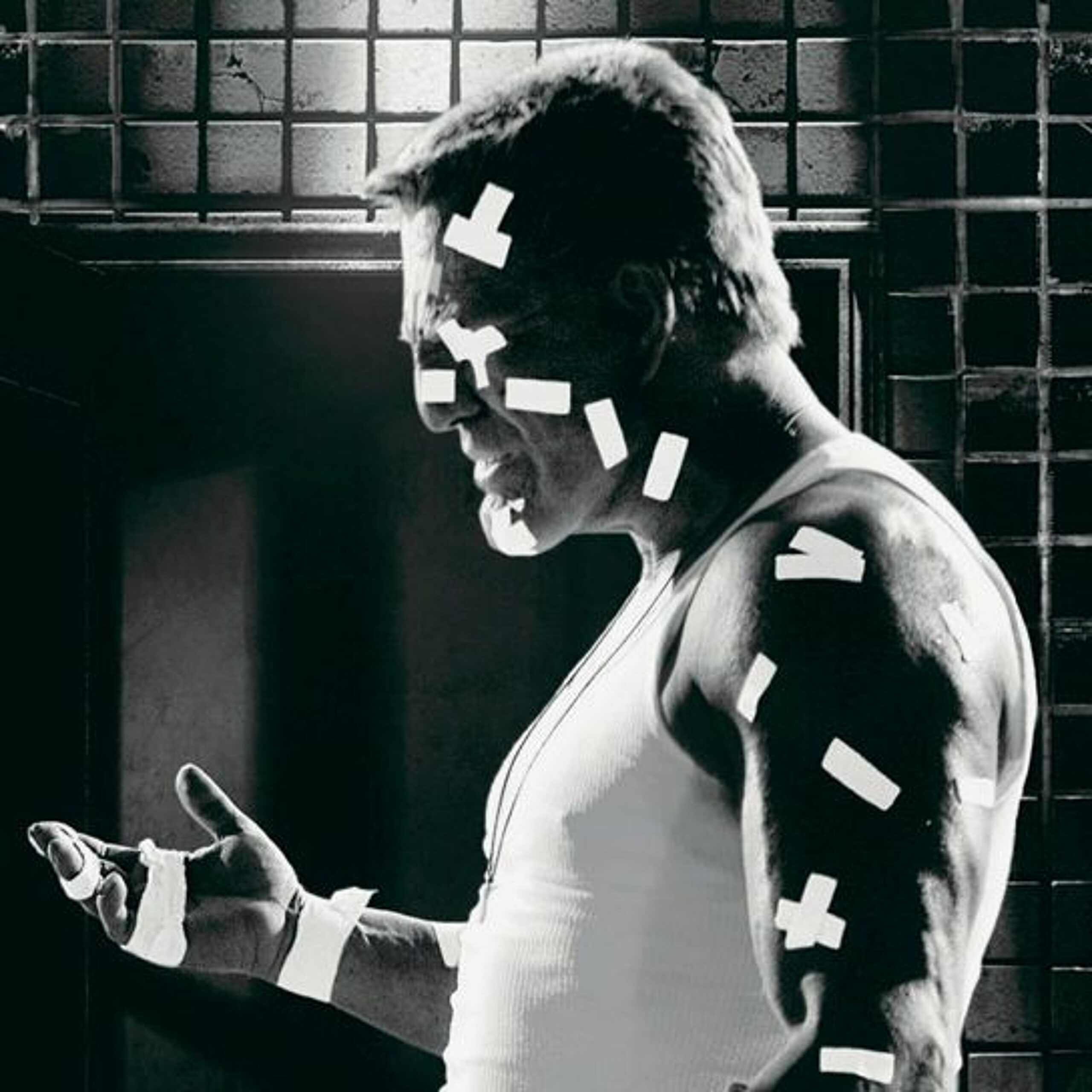
The episode touches upon other films and techniques influenced by Sin City, particularly Zack Snyder’s 300, which directly built upon Rodriguez’s blueprint for graphic novel adaptations. The discussion reinforces the enduring quality of Sin City‘s visual design and the power of its innovative production, offering a rich source of inspiration and practical advice for anyone interested in the art of filmmaking. The film’s use of distinct black and white, with selective splashes of color, is truly unique, creating a striking contrast that is technically impressive even in a digital medium. The hosts encourage listeners to revisit the film, especially the special features, to fully appreciate its technical and creative achievements.
What We Cover
- Robert Rodriguez’s pioneering use of green screen and digital filmmaking in 2005.
- The unique co-direction dynamic between Rodriguez and Frank Miller.
- Sin City‘s lasting visual impact and its influence on subsequent films like 300.
- The benefits of director commentaries for aspiring filmmakers, including Rodriguez’s “Film School” concept.
- Behind-the-scenes stories of casting, production, and how major actors contributed.
- Insights on editing, pre-visualization, and effective collaboration.
Key Moments
- 01:34 – Robert Rodriguez’s visionary use of green screen, making the impossible a reality in 2005.
- 10:45 – Exploring Rodriguez’s unique “Film School” special features, offering practical filmmaking lessons.
- 14:40 – The genius behind Rodriguez dividing the film’s stories among different art houses, fostering creative competition.
- 16:30 – Robert Rodriguez’s savvy pitching strategy to get Frank Miller on board, including creating test footage before securing rights.
- 24:25 – The vital role of an objective eye in the editing process and how collaboration, even with a co-director, can improve a film.
- 31:10 – Quentin Tarantino’s surprising contribution as a guest director for a specific scene, and how that collaboration came about.
- 32:45 – Bruce Willis’s valuable insights as an established actor, sharing his process and interactions with Frank Miller during production.
Gear & Films Mentioned
- Films: Sin City, 300, Spy Kids, El Mariachi, Pulp Fiction, Looper, Kill Bill Vol. 2, The Spirit, The Dark Knight Returns, Shoot ‘Em Up, Sucker Punch, Watchmen, Once Upon a Time in Mexico, Monster, Lady Bird, Cadillac Records.
- Technology/Tools: Green screen, blue screen, CGI, HDTV, PlayStation 3, Adobe After Effects, Photoshop.
- Books: Rebel Without a Crew by Robert Rodriguez.
Listener Questions
- How did Robert Rodriguez manage to translate the highly stylized look of Frank Miller’s graphic novel into a live-action film?
- What unique insights do Robert Rodriguez and Frank Miller offer in their director commentaries for Sin City?
- How did the collaborative process work with multiple directors, including a scene directed by Quentin Tarantino, and what lessons can filmmakers learn from this approach?
- What was Robert Rodriguez’s strategy for getting top-tier actors and the original comic creator on board for such an unconventional film?