May 16, 2026
F
Filmmaker Commentary
  • Home
  • About
  • Film
  • TV
  • Home
  • About
  • Film
  • TV
Podcast

FMC 024: The Girl With The Dragon Tattoo directed by David Fincher

April 22, 2026
Listen on Apple Spotify YouTube
Listen to this episode
Your browser does not support the audio element.
Also on Apple Spotify YouTube

Step into the gritty world of David Fincher’s “The Girl With The Dragon Tattoo” as the Filmmaker Commentary podcast dissects this acclaimed adaptation. This episode offers a deep dive into Fincher’s signature meticulous direction, the film’s compelling themes, and the unforgettable performances that brought Stieg Larsson’s dark vision to life.

What We Cover

  • David Fincher’s methodical directing style, including extensive pre-production, multiple takes, and precise digital filmmaking techniques.
  • The film’s financial performance and critical reception, exploring why it didn’t spawn a direct sequel despite critical acclaim and Oscar nominations.
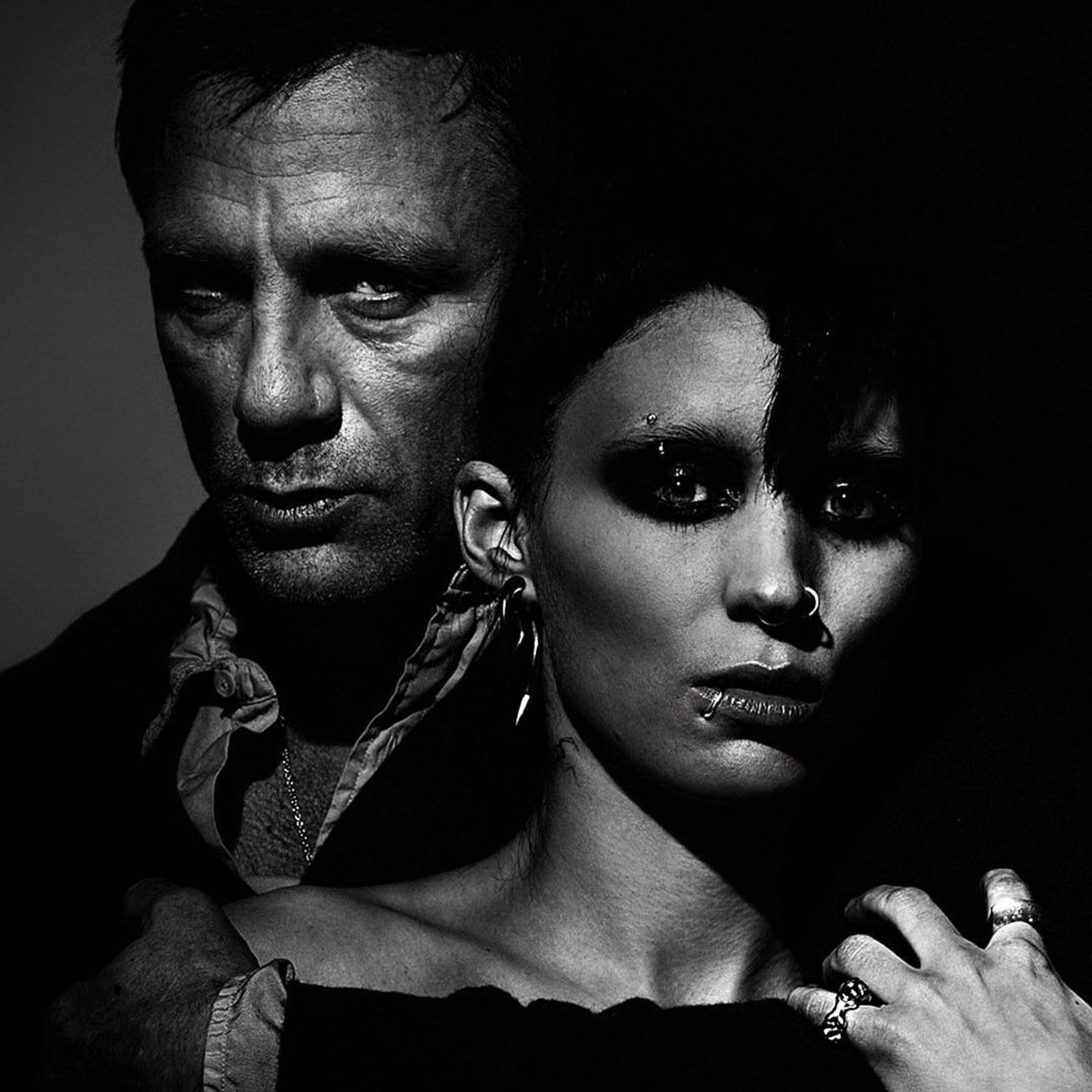
  • Rooney Mara’s transformative portrayal of Lisbeth Salander, her commitment to the role, and the character’s enduring impact.
  • A detailed look into the film’s stark themes: broken institutions, transactional relationships, and complex character motivations.
  • Analysis of the stunning opening title sequence, featuring Trent Reznor’s haunting remix of Led Zeppelin’s “Immigrant Song.”
  • The exceptional Blu-ray release, praised for its immersive interactive menus and comprehensive behind-the-scenes content.
  • The decision-making process behind recasting Lisbeth Salander for “The Girl in the Spider’s Web” and how Fincher’s vision shaped the initial film.

Key Moments

  • 0:57 – The hosts analyze the film’s financial success ($232M worldwide against a $90M budget) and why it was considered “walking the line,” leading to sequel hesitation.
  • 2:00 – A discussion on Fincher’s “OCD” approach to filmmaking, highlighting his unique blend of digital mastery and hands-on directorial control.
  • 4:40 – An in-depth look at Fincher’s extensive camera coverage, even for a seemingly simple conversation, illustrated by the numerous angles used in the eatery scene.
  • 1:50:00 – Insights into the subtle narrative threads that reveal Lisbeth Salander’s incredible intelligence and meticulous planning, from hacking to financial maneuvers.
  • 3:27:00 – The actor playing one of the film’s villains shares how portraying such a dark character deeply affected him personally, even after filming wrapped.
  • 4:40:00 – Unpacking the visual cues Fincher employs, such as Lisbeth mouthing keypad numbers to show her photographic memory, adding depth to her character without dialogue.
  • 5:47:00 – The hosts praise Fincher’s collaborative relationship with Rooney Mara, emphasizing their shared creative vision and mutual respect on set.

Gear & Films Mentioned

  • Films:
    • Zodiac
    • Fight Club
    • Casino Royale
    • The Girl Who Played With Fire (novel)
    • The Girl Who Kicked The Hornet’s Nest (novel)
    • The Girl in the Spider’s Web
    • Prometheus
    • The Crown (Netflix series)
    • Thor: Ragnarok
    • Deadpool
    • Guardians of the Galaxy Vol. 2
    • The Game
    • Invincible
    • Unbreakable
    • Ant-Man
    • Ant-Man and the Wasp
    • Captain America: Civil War
    • Requiem for a Dream
    • Crash
    • Alien
    • Seven
  • Music/Artists:
    • Trent Reznor (Nine Inch Nails)
    • Led Zeppelin
  • Other:
    • MacBook
    • PlayStation 4
    • DVDs/Blu-rays

Listener Questions

  • What specific elements make David Fincher’s directing style so distinctive and impactful, particularly in “The Girl With The Dragon Tattoo”?
  • Why did “The Girl With The Dragon Tattoo” not receive a sequel with David Fincher and Rooney Mara, despite its critical success?
  • How does the film explore themes of societal dysfunction and personal exploitation through its narrative and character arcs?
  • What did the actors have to do to embody their complex characters, and what was the personal toll of those demanding roles?
  • How do Fincher’s Blu-ray releases enhance the viewing experience, particularly the extensive special features and interactive menus?

Full Transcript

Read the full transcript

Full Episode Transcript
This episode of Filmmaker Commentary David Fincher's 2011 psychological thriller "The Girl With The Dragon Tattoo," analyzing its production, visual style, thematic depth, and the director's meticulous approach to filmmaking and adaptation.

Opening Discussion and Film Overview
Reginald Titus Jr.: Filmmaker Commentary, episode 24. Welcome to Filmmaker Commentary, where we give you insights from our favorite filmmaking commentaries. These commentaries can be heard on your DVD and Blu-rays of your favorite movies. We'll show you how you can use these commentaries and apply them to improve your video production and filmmaking techniques. All of this here on Filmmaker Commentary. I'm your host, Reginald Titus Jr.
Reginald Titus Jr.: Welcome to another episode of Filmmaker Commentary. I'm Reginald Titus Jr. I'm joined with...
Casey G. Smith: Casey G. Smith.
Reginald Titus Jr.: Welcome back, sir.
Casey G. Smith: Good to be back, sir.
Reginald Titus Jr.: So today we talk about The Girl With The Dragon Tattoo. It was made in 2000... actually released in 2011, had a budget of $90 million. The box office was $102 million domestically and $130 million internationally for about $232 million worldwide. Is that a win or no?
Casey G. Smith: I, well, it depends on that again, that that P&A budget. It's walking the line. I think I think it's kind of walking the line to put $90 million into, you know, a mystery thriller. Uh, but there are a lot of visual effects, uh, you know, which is kind of the standard with with with Fincher. Beautiful effects, but a lot of digital effects in this. Uh, and it wasn't quite enough to get them a sequel, so it wasn't enough of a win. Critically acclaimed, but not enough of a financial win.
Reginald Titus Jr.: Got a point. It was nominated for five Oscars, including what, uh, Rooney nominated for Best Actress, yeah. And it actually won for Best Editing. So, like that, wow.
Casey G. Smith.: Those guys put in work. You watch some of those battle scenes. Deserving. Man.

Fincher's Directorial Style and Production Approach
Reginald Titus Jr.: The thing about his budget always trips me up because when we look at Ridley, like he keeps his budgets pretty low and he's in sci-fi.
Casey G. Smith.: That's a that's a fantastic point. And both and both guys take a lot of time in pre-production. And they're very, very hands-on, very involved. And then they they both enjoy obviously digital. But David, David loves digital and is and both are very, I mean, have a little element of OCD and I think with some auteurs, 'cause they're both auteurs. That's kind of what it takes. And I think I think Fincher maybe sits right in between Ridley and and maybe Guillermo del Toro in terms of kind of like that the budget aspect. Uh, you know, Guillermo's known for going real far sometimes with with with with the budgets and that sometimes hinders certain projects. But Fincher seems to get, I guess, the budget that he wants and...
Reginald Titus Jr.: He does, but he, man, he uses every he uses every. Sometimes goes back. Like in Fight Club, had to go back. When when we listen to like Ridley's commentary, he talk he kind of almost like brags about how he will reuse sets in a certain way, being frugal. And maybe that's because, you know, him having a production company and, you know, a lot of times raising the money for this stuff. I don't know, but it's very two different ways of kind of approaching the same thing. like if Ridley was to do this. And even me just looking at the film, it's like, that could have been cut in half. Just, do you really, you know, like spinning um a little money on the digital, you know, when he did the digital part on her hair? Like how much was that? Like $20,000 probably? You know, like, gah.
Casey G. Smith.: For a couple for a couple of frames. Yeah, like, know, one scene.
Reginald Titus Jr.: Like, little things like that, like I understand, you know, it's important to him, but like in the grand scheme of things, that starts adding up.
Casey G. Smith.: He wants to he wants you to be sucked in and locked in. Every step of the film. And I I can't argue with necessarily the results because it's I mean, the film's beautiful. We we've covered several of his films now. Man, it's it's a gorgeous film.
Reginald Titus Jr.: It's like it's straight up like a masterclass. You know, it's uh, like what do you there's nothing left to do. You watch that and you're just like that. No improvements. You win.
Casey G. Smith.: Seriously. With a very highly beloved character, intellectual property.
Reginald Titus Jr.: Maybe it's the the budget allows, maybe it's not necessarily so many special effects, but maybe the time. Because uh Rooney had talked about that I'm going to read in a little bit that it took him like a year to to to produce this, to shoot it. And maybe that's where a lot of that money is going to the labor that that it takes in order to instead of like, all right, we have 45 days to shoot, we have six, you know, to spread that over a year. You know, maybe that's where a lot of that that money is going to, so that you can kind of take your time and do multiple takes.
Casey G. Smith.: Right, because we know that there's definitely going to be multiple takes. Even with some shots that you would think would seem simple. There's a lot of coverage. Fincher gets a lot of coverage on a lot of scenes. Often often rocking two, two cameras, you know, maybe like per setup and then, you know, getting the reverse of that and the master shot.
Reginald Titus Jr.: I was there was there's a scene where uh Daniel Craig is in the um I guess it's um some eatery, it's a restaurant. In the middle. Did you see that?
Casey G. Smith.: Same scene, yeah.
Reginald Titus Jr.: Oh my God! Like they showed all the nine angles. They shot that on nine angles of them just sitting down and looking like, what are you doing? Like the I bet the editors were losing their mind. Like I'm. They they mentioned that in in some of the behind the scenes how they mentioned coming off of Zodiac was was one thing. But then coming to this one they said it was very difficult. Like like sweating blood, you know, in going through the process of of of the editing. So we definitely appreciated, but um sometimes you just kind of see the American excess sometimes.
Casey G. Smith.: But again, it's so difficult to argue with the with with the results. From a sheer cinematic standpoint. From an artistic standpoint.
Reginald Titus Jr.: It's there's nothing really wrong with it.
Casey G. Smith.: Yeah, this guy is a master. Monetarily speaking, I mean, it was enough where they Sony was was looking at doing a sequel. And the the rumors continue to persist that it was, you know, money came down to to to money as far as, you know, what to put in towards a towards another one, which I'm sure we'll talk about a little bit more.

Rooney Mara's Experience and Sequel Status
Reginald Titus Jr.: Right. Again, the presentation of this Blu-ray comes with two Blu-rays. One is, you know, the film with the commentary. Another one is just all the behind the scenes and the visual effects montages and interviews. It's almost like up to four hours worth of material.
Casey G. Smith.: Does yours uh come with a DVD also?
Reginald Titus Jr.: Dude, yeah, it has a DVD that looks like it's been written on.
Casey G. Smith.: Yeah, looks like it's a burn. It looks like it's it's like a straight up like DVR. It's packaged that way. It's that's pretty pretty brilliant.
Reginald Titus Jr.: Just like Fight Club, just like all his other things, like the art direction on the actual Blu-ray tells the story. And then when you go inside the actual Blu-ray, that tells a story. You've like, it's a location where you've seen in the movie in the actual special effects on the special features.
Casey G. Smith.: Speaking of, there will be spoilers. If you're tuned in to Filmmaker Commentary, number one, we definitely encourage that you have watched the film, totally worth watching. And of course, then come back and listen to us talk about the commentary. But you're totally right, it's the the menus on this Blu-ray are are some of the best I've seen as far as just immersing you in and and how they tie things in where they even put like words. It it's amazing. It really is amazing when I was I was going through the uh I think maybe the locations and I was trying to get back to the next page, but amongst the because it's kind of set up like almost like a library like the library scene, the card catalogs and all that and documents and files and and some of the words are kind of hidden in the files with back and menu were hidden in the files. I'm like, oh, I didn't even see them there. It was I was just just tickled pink.
Reginald Titus Jr.: Well done.
Casey G. Smith.: Yes.
Reginald Titus Jr.: So, my memory of the film, watching it this time, I actually enjoyed it more this time. So the first time I watched this was around like 2012, 2013. Um, my memory of it, it um, of course, like the brutal stuff, dude, like that's just seared in your brain. You know, you see that, it's you're done. Can't unsee it. Yeah, you can't unsee it for sure. And then remembering how uh Rooney, how much time she spent on this character and how iconic this character uh was to her and everybody around the world, basically. Um but that that's all I really remember. I remember they they caught the guy or the guy died at the end, the one that was torturing all these women. But a lot of stuff I really forgot about. So I when I I went back, watched the film and then um did the commentary. How did you watch it this time around? And when was your first time watching it?
Casey G. Smith.: So the first time I actually watched it in the theaters. I remember seeing the the previews, um the trailers and the original Swedish version was on Netflix at the time, if I'm not mistaken, but I I never watched it. Um I've seen very I've seen very little um after I saw this one. So this was really my first experience. But yeah, me and my buddy, we went, saw it in the theater. That opening sequence, watched that in the theater with the music and the sound and the and the the Trent Reznor uh score. I was like, what is this? I was I was taken. And I and I was I was already digging Daniel Craig from um being in in Casino Royale. I I remember I I enjoyed it and yeah, I was yeah, definitely shocked by by some of the scenes. And then once once once it came out on Blu-ray, my buddy had purchased it and I said, hey man, you got you got to let me borrow that. And I began to dive into all the behind the scenes stuff. Uh so that was a couple of years ago. And so I hadn't seen it since then, so let's say uh maybe 2013 or somewhere around there was probably the last time I saw it. So this and I I I I still, I don't know why, I I tend to forget a lot of the details about it. I don't know why it didn't quite stick. So, you know, I know there was a missing girl and things of that nature and he's dealing with this family. So, I went in and and watched it again and it's like, oh man, there's so much. There's a lot going on and some of it even has a little bit of confusion. I'm I'm pretty good about following films, but it's like I'm really focusing.
Reginald Titus Jr.: It is confusing.
Casey G. Smith.: Yeah. It's uh it's almost like a uh the Zodiac one. It's um
Reginald Titus Jr.: I'm glad that he didn't spend so much time for us to try to figure out like all the details. 'Cause I was trying I was kind of catching myself like, what does this mean? What does that mean? What does this mean? Yeah, and I was like, you know what, I'm just going to trust it this time. Like I don't want to try to figure it out with my brain, you know, it'll be revealed to me.
Casey G. Smith.: Well, here's a fascinating thing they actually mentioned in the in the commentary, that they actually do that on purpose. Like when she's in the library, she's going through all that stuff. They said, well, you know, it's it's is it going too fast for the audience to figure it out? And it's like, well, this scene is not for the audience to figure it out. This is for you to see the pace at which Salander um that she works at. So, it's not for you to be able to fully be able to to process it all. Uh and it's just like just showing kind of the contrast between how both of them work and the the the speed at which she goes boom, boom, boom, it's going through all this data, all this info and and connecting dots. We know she's connecting dots. Um, but yeah, it's like, I was like, oh, okay, I don't feel dumb now. All right, I appreciate that. But yeah, that's actually done with with the effect. And somebody said also that if it feels confusing to the audience, instead of slowing down and explaining, they said, no, instead go faster.
Reginald Titus Jr.: Hey, I'm with that, man. Because um, going back to Zodiac, that, oh dear God. I was like, I'm done. Like this this just needs to be a documentary and then move on. This should not be a film. Man.
Casey G. Smith.: How do you really feel, Reginald? How do you really feel?
Reginald Titus Jr.: Oh, sorry.
Casey G. Smith.: So um, but yeah, this time around, I I
Reginald Titus Jr.: Yeah, he crushed it.
Casey G. Smith.: Yeah, I enjoyed every time that I that I see it. And actually with one thing I I I forgot to do, which I should have done with the commentary on Fight Club, is that when I watched it this time, I remember that trick of of I just hit on my PS4, I hit the the fast forward button once to get it to go through it at 1.5 speed. And that for for Fincher's commentary, it's perfect. Because you can still understand all the dialogue and it kind of puts them at a perfect perfectly fine pace.
Reginald Titus Jr.: It is perfect. What, two and a half hours this film?
Casey G. Smith.: Yeah. So it allowed me to get get through it just quick enough. Still keep me engaged and then go and and watch some of the special features. So that's like, um, was perfect for the for the commentary. Yeah, the 1.5, bam, let's go.
Reginald Titus Jr.: And this film it feels like there's like more it's like four or five acts.
Casey G. Smith.: Five acts.
Reginald Titus Jr.: Because like, you know, they they solve it, the guy, you know, they they kill him, whatever. And then, okay, you you're kind of satisfied, but you're like, oh, wait a minute. They still got to solve the whole missing girl thing. And then so they they solve that. I was like, okay, that's the fourth act. Then she goes on to like take down the guy that's been both that started out this whole film of bothering Daniel Craig and got us all down this little wormhole. And so she closes that out. I'm like, dear God. But it was still entertaining.
Casey G. Smith.: Yeah, exactly. It's like, okay, yeah, I'll stay, I'll stay, I'll I'll stick around. Yeah, I'll stick around. What's what's next? Okay, all right, I'll I'll stick around. And you just you've you've become so invested in these characters. And it's so fascinating because they start off totally separate. And then we see how their paths converge and they get on this, you know, this this this singular focus and mission. And they wrap that up and then yeah, they're finishing up his his aspect. And and at the same time she's growing and coming into her own as well. Yeah, so even when it ends you're like, it's not a traditional quote-unquote happy ending. But you're like, they've both grown. And and they're not necessarily to be your goal.
Reginald Titus Jr.: satisfied. Yeah, you're satisfied. Yeah. Almost. But you're like, when's part two coming out? You know?
Casey G. Smith.: Exactly. Like, I need I want to see more of her.
Reginald Titus Jr.: And that's the thing, like, and it has to be in the in the Fincher way. I'm going to read this article, but anyhow, this is part one of like a trilogy, right? Yes. And the author, what's the author's name of the author?
Casey G. Smith.: The author's name is Stieg or Stieg Larsson, and forgive me if I'm mispronouncing that first name, or maybe it's Stieg, S.T.I.E.G. Larsson.
Reginald Titus Jr.: He created these um, you know, this trilogy that just blew up. I believe he passed away in 2004. Hopefully I'm getting the date right. But um, anyway, the author passed away. So, there's this trilogy. And we're assuming when this came out that of course, there's going to be a part two and a part three because this was great. This film great, well done. Maybe part two and part three. Um and I didn't see the original versions either. I did see them as well on Netflix, but I didn't, you know, once you see it like you got to make a decision in life. It's like, either you're going to if you go ahead and invest with the American version, you're there. If you're going to go with the the Swedish version, then I think the you wouldn't like the other version because you get attached to those characters that you're kinda used to seeing. So, let me read this article from Yahoo. While speaking with Mara about her new film, Una, the actress revealed to Yahoo Entertainment that it was it wasn't entirely her decision to exit the series. She quote, "I was hopeful to come back, but they decided to do a different thing. It was always a character I wanted to revisit, but that's not what happened." At the time of Dragon Tattoo's release, what Mara hoped would happen is that the film's creative team, including Fincher and co-star Daniel Craig, would reunite for adaptations of Larsson's next two novels, The Girl Who Played with Fire and The Girl Who Kicked the Hornet's Nest. While Dragon Tattoo received critical accolades and five Oscar nominations including Best Actress for Mara, it didn't become a box office behemoth that Sony necessarily hoped for, leading to reports that the sequels were being delayed over budget concerns. "We made that movie for an entire year, which in movie time is unheard of," Mara remarks of the experience she had with Fincher and enjoyed shooting the original film. "It was one of the most incredible experiences I'll ever have in my life, I'm sure. I still feel very close to it. Some of those people are still my dearest friends in the whole world. Making it without them would have been very strange." Because of the sense of kinship for the character as well as the film's crew, Mara remembers feeling frustrating while waiting for official word on whether the next two Millennium films would be made and with whom. Then at a certain point, she realized that she just had to let the experience go, especially once it became clear that Fincher wouldn't be behind the camera again. Sony's decision to move directly to The Girl in the Spider's Web, the fourth book in the series and the first not written by Larsson, who died in 2004, tempered her enthusiasm as well, noting, "Nothing would have matched that initial experience," Mara says now, confessing that she still hasn't read The Spider's Web. "Different director, different author of the book. I would have loved to have done it, but I think it would probably have been a letdown in a way. It never would have matched the experience I had." So, there you have it. I also read um, I'm not sure the name of the new director.
Casey G. Smith.: Fede Álvarez.
Reginald Titus Jr.: Fede Álvarez. Um he mentioned that the reason that he didn't want to go with recasting them is because he he believes that as a director, 50% of the job is doing your casting, and if he uses them, then it's basically, you know, Fincher, you know, he's I'm just kind of copying what he's already done and kind of just taking that work. So it's like, uh, I really did want to see everybody the whole crew, the whole gang get back together again and just knock out the trilogy for my own personal standpoint. And then to think that it's they're skipping those two movies and going straight with a fourth one. I was like, okay, maybe it's just a straight up business decision. But when I saw the trailer and saw the other lady, you know, the other actress, I was like, ah, oh well, you know, lose some, win some.
Casey G. Smith.: I what I find fascinating also is that with with this iteration, the the Girl in the Spider's Web is that the the actress who's playing Lisbeth uh Salander this go around, she actually plays on the Netflix series uh The Crown, which is received a lot of critical acclaim, uh where of course she is playing uh a young Queen Elizabeth. Her name is Claire Foy. So once again, you have an actress that we've seen in a more refined space, all of a sudden going into this this very anti-social, um very different, eclectic, dark character. So it it it's interesting that Fede Álvarez would go through a similar process to to take a chance on on an actress that obviously has chops, but going, well, almost typecast in choosing Claire Foy.
Reginald Titus Jr.: Yeah, so it's kind of unfortunate that they're just going with the fourth installment, but hey, you know, good luck. Hopefully this they knock it out the park. I saw the new trailer. It looks interesting.
Casey G. Smith.: It does. I I will I will probably go and and check it out. I mean, you know, this this Fincher's film did enough to interest me in the character. And eventually, if eventually I do want to I do want to watch the trilogy, the original trilogy, uh because again, we've we've talked about Noomi Rapace, obviously we we enjoyed her in Prometheus and and her performance there. So I'm I'm very fascinated to to finally sit down and, you know, watch it with the the subtitles and and get through the the Swedish version of it, which I think will be fascinating also if if if if the director, the cast and crew, if everybody is truly from that land, like what it what it looks like. And I've only seen a little bit of uh The Girl with the Dragon Tattoo, um that that original first version, but...
Reginald Titus Jr.: I definitely want to check out those the trilogy before seeing the fourth installment. Just kind of have the continuation going on. Uh who knows what the new author, how, you know, how far off that they they go from the the blueprint.
Casey G. Smith.: Yeah, I'm curious to just see where Salander goes because now she's a what Fincher call her a billion billionairess because she's got all this.
Reginald Titus Jr.: So yeah, so what happened in that last uh because they didn't really kind of go into detail. She gets the $50,000. What is she using the $50,000 for?
Casey G. Smith.: She uses the the $50,000 to create a fake identity, hacks the guy's account, makes herself look looks like to look like she has money in the first place that belongs to the spaces that she's going to when she goes to the uh the city of Zurich, I believe. Hacks the dude's accounts, transfers them into bonds and sends that money into four or five separate accounts, just like steals all the dude's money and apparently the Russian mob's money, which is why that guy ends up getting whacked at the end. And then returned returns Daniel Craig's investment. So she has...
Reginald Titus Jr.: So she has all that money in in bonds?
Casey G. Smith.: Yeah, in separate accounts. Okay. Maybe it's not bonds, but she she's got the money. That's why after she goes into the first bank and then we see her on on on the bed and she's kind of like going through. Yeah, then she takes those and then she puts them into some other four different four or five different accounts. Yeah, she drained him, jacked him, using her using her skills. Just totally just totally destroyed this dude to the point where again the mob was like, hey, where's that money? And they they whack the guy. And then gives Daniel Craig his money back and goes her separate ways. So I'm really curious, like in the the Girl Who Kicked Over the Hornet's Nest, I'm like, man, what is she's got all this money and has her freedom and she's still, she's still a crazy crazy. She's crazy, self-confessed. So where where does she go? So yeah, I'm I'm intrigued to, yeah, to dive into those stories to see what happens in between.

Themes and Character Analysis
Reginald Titus Jr.: So adaptation, um, of course, David Fincher does not have a problem with adaptation. Um, I think he's more like a visual interpreter. Um he he he did, you know, Fight Club, which was based on a novel, interpreted that. And even though he's getting these these um books and they're adapting them, it still feels like David Fincher's stamp is all over it. It makes so visually strong and cast so well, right? So it's
Casey G. Smith.: and prepares. I mean, we've talked about it time and time again, his pre-production and pre-visualization and scouting. I mean, at every at every phase, he's meticulous.
Reginald Titus Jr.: And how about that uh the opening sequence, the title sequence? What song is that?
Casey G. Smith.: So that's a a song. It's the same song that's actually used in in Thor Ragnarok. It's called "The Immigrant Song" uh by Led Zeppelin, if I'm not mistaken. So but it's a it's a it's a different take. He reached out to Trent Reznor of of Nine Inch Nails fame. Uh and Trent Reznor did uh a remake of the song and he brought in a uh a female vocalist. And I love how Fincher talks about how it's it's a little kind of almost inside of Salander's head in her mind. Maybe maybe like her worst nightmare or something like that. I'm like, oh, I never thought of it that way. It it's powerful enough as it is, but when you put it in that context, I'm like, oh, wow.
Reginald Titus Jr.: It looks like a music video. Like it can just it's like looks like a straight up standalone. If you just take off the titles, it looks like a standalone music video. So that's what it feels like.
Casey G. Smith.: It is hauntingly beautiful. All that imagery and literally dark and and black and then there's there's wires and dragons and all this, but then when you when you think that it's inside Salander's head, you're like, oh yeah, okay. That's fantastic. And it's a it's a great attention getter because when the movie starts out, it's just two old men talking on the phone like, oh god, what movie is this?
Reginald Titus Jr.: What did I just log in to. I just push play. And then uh and then the title sequence come on with this rock song and yelling and screaming and crazy visuals. You're like, okay, I'm hooked. What the heck are we about to get into?
Casey G. Smith.: It grabs you. Say, we're going on a ride.
Reginald Titus Jr.: Giving us just a little bit to keep us going. Where would you rank that opening sequence amongst opening title sequences?
Casey G. Smith.: Probably 10, that's a 10 for sure. Yes, yes, yes, yes. Also he reached out to Tim Miller to create that. Tim Miller who would who would go on um to of course, Deadpool fame. Tim Tim Miller has his own obviously production Digital Effects Studio. Right. So, yeah. Fincher, like, you got eight weeks. All right. I can't think of any other ones right now, like, you know, of course like the double 07, Casino Royale stuff and all that that's memorable.
Reginald Titus Jr.: Well, when I think about that, now, thinking about Tim Miller, it makes me think about uh the first Deadpool. That title sequence. What happened in that title sequence?
Casey G. Smith.: Oh man, it's it's the the car like he's dropped into a car and he's assaulting those guys in the truck. Yeah, yeah, it's rotating, moving around and the the all the credits are like, you know, God's favorite idiot and all kinds of just, you know, poking fun at the cast and crew.
Reginald Titus Jr.: We might have to just do a show just talking about title sequences. Yeah, that's a whole that's a thing by itself. 'Cause you can either like like Deadpool like kind of make fun and kind of you kind of know what kind of ride you're in for or tell a story. Like this title sequence is basically telling everything that happened like in its own artistic way. Yeah, or you can just just be neat and nice and just show, you know, who was involved with the film.
Casey G. Smith.: Guardians 2, Guardians of the Galaxy 2, not to go on a comic book trip, but Guardians of the Galaxy 2 a little baby Groot dancing to that song, that's that's just too cute. Too cute. That that that brings the energy to let you know, okay, this is going to be, you know, a fun ride.
Reginald Titus Jr.: Yeah. In this movie, the cell phone issue. So here's a few points. The cell phone issue, you're going to have to address it in modern cinema. Now, how are you going to address it? And here you Daniel Craig, he's going on to to live in this little cabin, and he's still not getting any service with his cell phone. He's on a island where there's billionaires, and he can't get cell phone service.
Casey G. Smith.: Maybe they don't want you to have cell phone service. Ooh. But it has to be addressed and because of that, he has to go to a payphone. Don't we like the payphones. So he goes to the payphone to talk to, you know, I forgot the guy that's giving him is it a police officer, ex-police officer that's kind of giving him information.
Reginald Titus Jr.: Yes. Why isn't there a landline in his little cottage? I don't do I don't know. 'Cause there's there's electricity because there's a refrigerator in there and he's got his his laptop in there. So he's and he's got lights. Why is there no landline anyway? I don't know, man. Keep things interesting, right? So that's how they addressed his cell phone issue. You can't get no service. Um because that you know, you solve a lot of stuff when you can just get on that phone real quick. Okay, let's talk about some themes of the film. Dealing with loss, loss of respect, loss of a loved one. Dealing with um friendship, relationships as a transaction.
Casey G. Smith.: Yes.
Reginald Titus Jr.: You're dealing with uh broken institutions. Maybe we could talk about that a little bit more. And money and loyalty. So that's some of the themes. They this movie hits on a lot of tough and real themes.
Casey G. Smith.: So from Fincher mentions within the I guess the second act or so, when we see uh Salander interacting with Bjurman, when she's going there to obviously her her ward has gone to a medical condition like a coma and, you know, has lowered brain activity and and she has to of course go to him to get funds to to live life. And this he obviously sees her. And the way the way Fincher describes it, he's he's not necessarily somebody who would who would who would prey on just any person or any woman, but specifically because of the way that she kind of has a lack of respect for authority, that triggers something in him where he targets her. Right. And then of course, then, you know, basically forces her to perform oral sex for for for her money. But when he does it in a context of saying, you know, you do something for me, I do something for you, making it seem that trying to teach her a lesson almost that in order to have a healthy relationship it's about, you know, some kind of perverted compromise. You know, if already get what she needs, she has to open herself in a way that's not healthy, which is totally not true. We see that just weird unhealthy transaction uh take place there. And even to to a degree with with Daniel Craig even taking on the the the project with the uh the the the Vanger family. He's going in and and while the the the uncle wants him to find, you know, the you know, what happened to the uh to the young girl, how she is is is murdered. Oh, what's her name?
Reginald Titus Jr.: Harriet.
Casey G. Smith.: Harriet, there we go right there. How, you know, Harriet was was murdered. You know, he makes offers of of of, you know, double his salary and he'll quadruple if he finds something. But really within the context of that relationship, what he what he really wants, the real hook is that, hey, I've got financial records on this company that, you know, embarrassed you and and and and took your money. Uh and so again, that relationship is built on at the end of the day, a transaction. You know, that's what's wanted out of it at the end of the day. And even I think to a certain degree between Daniel Craig's relationship with um with Salander. You know, they they meet and it's initially about a transaction. Once he finds out that she has basically hacked and gotten his information, he's kind of impressed by that. And once she meets him and he's tracked her down, she's kind of impressed by that. But their relationship goes forward because he offers an opportunity for her to to to do a job. It's a it's a transaction. You know, hey, well, you want to jump in on this gig and...
Reginald Titus Jr.: She's like and the way they hook each other in. So like for like what what you said with Daniel Craig, when his his character, the way they were able to cap him like the promise of something. Like, you can do this, you know, and that kind of likeness is like he wants to fix his career. So that will help out. You do this for me, I do this for you. Mhm. And then with Salander, Daniel Craig was like, hey, this is a a man who kills women. And so that lightens her up.
Casey G. Smith.: Right, he finds that, yeah, you find that thing that that that speaks to them and then that's what they they use to to hook. And again, we all we all have things that that drive us. So the right motivations, but yeah, in many of these relationships within this particular film, we we see a bit of that. Uh and then the other theme of broken institutions. We see that throughout. From the get-go, well, we see that with with with Daniel Craig and him being in the the media, having, you know, he he comes out and he's being surrounded by, you know, the press and maybe some paparazzi. After he's experienced being called a liar and and and and and uh, you know, a slanderer, uh and a libelist by a corporation. Because there is, you know, a bit of a a bit of a brokenness within the institution of of business, of finance. Maybe even within, you know, the law and and and the and the justice departments, not just here in the States, but obviously in other countries potentially as as well. Not saying specifically this is happening in Sweden, but just in a general commentary sense. We see the we see the broken institution of of the family. Uh obviously within the uh the Vanger family. Man, dark, twisted. Got Nazis still alive. Unapologetic, you know, it's kind of on the low. We've got we've got incest and probably some corporate greed. They were to dive deep deep into their records, you'd probably find some greed. You don't own an island just by being squeaky clean, more than likely. Uh but yeah, that family is broken. We see a broken system how children are taken care of of within the the adoption system, or the welfare system. Uh and we we we clearly see what what how that kind of comes to a head with with Salander's character. So yeah, at multiple steps we're seeing broken systems and and to a degree, she kind of addresses at at some point kind of addresses each of those in different ways uh towards the end. The financial, the justice, that family, she kind of comes in in her own way, brings some some resolution specifically into some of those situations.

Visual Storytelling and Homages
Reginald Titus Jr.: So filmmakers out there, um have a theme or something that that you feel that resonates with you that you can tell throughout. Have a theme throughout your story that people can can relate to. Um another tip is, you know, some of the sounds that you can use in the film, they notify you or kind of tell you more about the scene. So, uh when Salander is going to get the check from this um, well, she has to go get money from this counselor because she's a ward of the state. Um that's I guess in their system, it's it's set up so that if you are a ward of the state, you're given like an an allowance basically. So she has to go to this guy to get this money. Almost like a case worker. Yeah, some corrupted case worker. And so while she's going up to his office again, I believe this is the second time she's going to his office. And you hear the guy like cleaning up the floor with one of those big old dust mops. That sound notifies you like how late it is. And like, she may be in trouble because it's just them two there outside of the guy that's actually cleaning. She might be in trouble and of course she is.
Casey G. Smith.: She is. And also, one thing I didn't notice the first time, when you think about the the questions that he's asking her. He's asking her like intimate sexual questions. Have you ever had an STD? Or things like that? Because he's already plotting. He's already plotting winning, okay, what's going to be safe for me to to do?
Reginald Titus Jr.: So after that whole scene goes down, that's just something you can't unsee after you that whole scene goes down. Like I'm thinking from like an acting standpoint like how open they have to be to this to be true to their characters, like that actor, the guy he'll always be seen as a scumbag, you know, just because, you know, he's using his real face and everything.
Casey G. Smith.: He talks about how playing the character, how it affected him also, even like after the fact, like getting trying to get over it, get past it, move move forward. It it it affected him personally uh having to to go there uh and and do those things. I could only imagine being, you know, at the premiere and actually, you know, watching it all cut together and and sound effects or even having to go in and do the the ADR uh for that kind of stuff. Because we saw, you know, we saw uh we got a chance to see Rooney Mara do her some of her ADR in the in the special features. But that probably would be haunting.
Reginald Titus Jr.: Unbelievable. So, also, you know, visual cues. There's a shot after that scene, after the whole, I guess, there's like two rape scenes, like one's, you know, she she's performing oral sex. And then there's another one where she's actually raped, tied down. And right before that, there's a visual cue that uh David Fincher uses and and it's a shot where the camera goes over her head, just like from behind her and then goes over her head, and of course, she's upside down, and kind of visually showing you that, you know, her world's upside down and she's kind of plotting on how this revenge is going to be. She's got this red fan, this red hot fan that's like blowing on her, and it's like, okay, what is she thinking about?
Casey G. Smith.: Exactly. But even before that, one thing I did notice the first two times that I saw it, is how she was already And she mentioned this actually after after the fact that she was setting him up when she first went to his apartment, the first time. Like, it was it was she already had the camera uh there and had planned on capturing him, but didn't realize that he would go to that that depth. She didn't realize she was going to be raped. Um, but the fact that she was already plotting and planning for a way to to get out and to frame him up, but it just went sideways. But she's always always trying to think and plan to be a couple steps ahead, which may come from the fact that, you know, with her previous ward, she was always playing chess. So she was always probably thought not thought, but taught to think, you know, multiple steps ahead. Yeah, so like the first time with the fan, like the shot that comes on top, that's right before she goes to his apartment to get the money, right?
Reginald Titus Jr.: That was after after the after the first time she went, after she was raped. 'Cause that's when she starts planning the revenge. What? I don't know.
Casey G. Smith.: Oh, no, maybe it was after the that was after the blowjob, right? After the sexual assault. Yeah, hey, it is what it is. After the sexual assault. Because yeah, so she's planning and she's and so the plan is I'm going to record the guy. I'm going to record him. You're right. You're right. That is the. And then after the rape, you know, after the whole rape situation, it's like, okay, what the heck is she going to do?
Reginald Titus Jr.: Right, that's when you you see her making transactions and buying the equipment and the goods and the tools. To go to town. Go to town. After like, you know, kind of talking about the actual like rape scene where this guy ties her down and all that stuff, and she's recording on camera through her bookbag, uh David Fincher talks about there's a moment you normally see in the movie, and then there is the moment after the moment you normally see in the movie. For example, like after the rape happened, you see her like slowly like putting on her clothes. You see the villain kind of looking over his shoulder, writing, he's writing the check, but he's still kind of like, you know, what's she doing? He has a look on his face that I went too far. Yep. And he he he he knows, when you just, I mean, when you see the bruises on her on her on her on her body. Yeah. Uh, and she was handcuffed down. And and one thing that, uh, just want to mention is that she has that point where, you know, initially she's she's she's screaming and Fincher said on on set, you know, 'cause they had to shoot that multiple times, you know, coverage and all that. And he said you could see the hairs on people's arms, you know, standing up, just being just like creeped out. And then and then she made the decision, 'cause they didn't rehearse, they didn't rehearse the scene. Um, he gave her, you know, gave them like leeway on how to work that, but like once he really begins to rape her, she stops screaming. And some audience members initially thought that it was her. Yeah. Giving up. But it's really her not giving him the satisfaction of hearing her scream. Because that's part of what he wants. Part of his way of punishing her for quote-unquote being disrespectful to authority is to to torture her in essence. And so he kind of wants her to scream, but she's gets to the point she's like, I'm not going to give you the satisfaction. It's crazy. Yeah. But after the fact, seeing her, seeing her hobble, you know, to a motorcycle and then into her home. She actually walks home. Oh, she's walking. Yikes. So you see her like just walking down the street, going up the stairs. Then you see like visually she's got the keys, she drops the keys, and she's like, dear God. You know it's going to hurt so bad to bend down. Bends down, gets like you just feel the pain. Mm-hm. And maybe that's what, you know, Fincher's talking about, those moments after the fact. And it kind of and it dramatizes and illustrate the character conflicts.
Casey G. Smith.: But it also, it endears us to her as well. Like that that act is so horrendous and so sickening where you're like, man, how can somebody do that to another human being? And then the other part is also like, I hope you get that dirty, you know, this this will be like, you just you you you you wanted to extract, you know, you wanted to get this joker back in the worst way. She gets all the stuff, and then she comes back. And and Fincher talks about, you know, she's about, I need some money for food. That's what she says when he opens the door. He's like, sure, come on in. And then when as soon as she comes in, she looks down the hallway. And so uh Rooney asked uh David Fincher like, why am I looking down the hallway? Like, what's the whole point of this? And as a director, you got to know like, you know, know the motives of your of your um character so that you can communicate that to your actors. And he was like basically saying, you want to kind of see how far you got to drag this guy because this is a big dude and you're like 90 pounds. Yeah, he said he said specifically, you're trying to figure out whether you're going to need to drag him by his feet or by his hands. Oh, well yeah, based on the on the distance, like, are you going to have to drag him by his feet or by his hands? Uh, or do you need to wait till you like get into the room before you like taze him, you know, I'm like, oh man, that's that's so in-depth. That's smart. I'm like, wow. That's crazy. So she looks down the hallway and you see her, you know, looking to the left. She kind of towards the camera and then she just turns around. Bam! Electrocute this guy in the neck. He just falls to his knee, face plants. Oh man. And she's so matter of fact, you know? 'Cause even as she she she utters the sentence to him and just like, bam, like just clockwork. Bam, knocks him out. I wonder to a degree if the guy actually urinated on himself because when you see uh after she, you know, gets her revenge and it there's show a scene of the hallway or maybe it's actually right before they show the scene of the hallway. Yeah, it is wet. Yeah, there's a little wet. I'm like, this dude like, you know, lose bodily control. little little sometimes going to happen when you get tased. Yeah. So I was I was curious about that. I was like, hm. It was wet in there. Yes, sir. And then um you see David Fincher pay homage to Blade Runner. Yes. She has the makeup on from the very first Blade Runner. What's uh what's the actress' name, the tall actress?
Reginald Titus Jr.: Daryl Hannah.
Casey G. Smith.: Yeah, so she's got the same same makeup. Like, okay. So you see other directors kind of paying homage to to their um films that they like.
Reginald Titus Jr.: We also later on in the film, we'll see an homage to uh he mentions to Dracula. When we see the house on on the uh top of the of of one of the hills on the island. Uh he mentions it's an homage to to Dracula as well. So, yeah, Fincher is giving some visual shout outs. And this torture scene, like this rape revenge scene, you know, got this fat guy tied up, sweating. And she kind of shows him that she basically got him and just pulls out this metal dildo. Yikes. Kicks it in. She doesn't like put it in. She kicks it in and, bam! You're done, son. You're done. And and the crazy part is just like, as an audience member, you feel relieved. Like, oh, you're satisfied, you're like, You're uncomfortable, like, as that's things it's like, you know, they have the sound effect and all, and you're like, and you're like, you deserve every minute of this. Like, ah, okay, yeah. But but it's like a different, you know, when you see the first scene when he's doing this to her. You're 100% uncomfortable. This one you kind of grossed out, but you're like, all right, what's next? What are you what else are you going to be doing? More, more! We want blood! Yeah, so the audience is like kind of like, yeah, get him. So it's it's interesting how you can kind of control the audience and, you know, using these different devices.
Casey G. Smith.: In wrestling they call it ring psychology. Or you you get, you know, you get somebody on on the the underdog's side and when they make that comeback, you're cheering for them. One of the things again, you talk about the budget and the digital effects in this film, they said that he was wearing actually a like a bikini or whatever. And that they digitally, you know, digitally added the butt cheeks, the buttocks as Fincher said, the buttocks and and and the other uh anatomical parts. I was like, what? I mean, the effects still hold up. Again, with other films that I've seen before, when Fincher's film. You continue to hold up like these are ahead they're on point.
Reginald Titus Jr.: Yeah, that and that's what amazes me because this was this is 2011. There are films I've seen in maybe 2016, and I look at it now, I'm like, oh, I can tell that's. We talked about like how nowadays things are being rushed. Like they're they're trying to beat these deadlines and they're these visual effects houses are struggling. But hey, you know, maybe that's part of the budget too, you know, the time. Like, hey, I need y'all for. This amount of time and also keep in mind that David Fincher has this IM background, so he knows what it takes to make these things look realistic and how long it's going to take to do that.
Casey G. Smith.: It's a good point. That is a good point. But it you can't tell. I mean, I if he hadn't said that, I I would not have believed it. I'm like, wait, what? That's just that's just that's a that's a real buttock. No, that's digital. Get out! Yeah. Yeah, and he he's mastered that um especially, you know, Benjamin Button. Benjamin Button, you can tell a little bit. But um, Social Network, he's replacing people's faces and all this stuff. It's um.
Reginald Titus Jr.: One of the things that I I noticed that with Fincher that he mentions, uh he talks he talks about the the screenings, you know, the initial screenings and the test the test screenings and the reactions from the audiences. He he really he pays attention to that and he he brings those things up because he mentioned that initially when they they had shot a version of this where he was still in his clothes. You know, when he still in his clothes, he said they were copping out. Yeah, because, you know, 'cause I mean, you know, I mean, honestly, Rooney Mara, she was she was pretty naked in her scenes. And so they kind of felt cheated if he wasn't kind of stripped. Or when he got his when she got his revenge, that he was still in clothes. Yeah, if he wasn't kind of stripped down and so they they made the that's funny for this. He's like, I ain't yellow. Like They had to reshoot it. And if it caught me yellow. He said, I got to go, they had to go through and they, you know, shoot it again. I wonder like the, like, come on, I'm already. Yeah, I'm so sorry. You know how this goes. You know this you know what this was.

Final Takeaways and Listener Requests
Reginald Titus Jr.: Resume the position. So, yeah, understand the behaviors and motives of your characters. There's a scene when Daniel Craig finds out who Salander is, and he goes to her apartment. And he he's going in there, he's looking around, she's taken aback. But he has a motivation. You can tell by he's already got the, you know, the coffee, the food. He has an agenda. And because of that, you know, it forces the other character to to kind of adjust to that, and you can you can see that visually. So, keep in mind, have your know what your character's motives are and and kind of illustrate that with their behaviors. Another thing that I noticed is with with Salander's character, when she breaks into, well, she didn't really break into, but she um hit the dial pad to go into the I'm trying to remember whose apartment that was. Um um um. I don't know if she set up a camera or she set up some kind of device. Um when she was breaking in, she had like the flashlight in her mouth and she's like, um setting up a whole computer system. But anyhow, before she breaks into there, there's an old lady that puts in the a password into the into the little keypad. And uh Salander, she's right there, she's smoking a cigarette, and she hears the the pad sounds. And while she hears the pad sounds, she's mouthing the word like the numbers. She's like, whatever. She's like, just she knows the tone of the number. Yeah, the tone of the number. And so after the lady closes the door. I was wondering about that. Yeah, you can see her mouth moving. Hmm. So she's memorizing it. And then she goes right in, she she dials the code in. I didn't notice that until like the third time I watched it. I I hadn't I hadn't caught that. Huh. So like these little subtle things that you can tell visually that this character's real smart or she's figuring these things out. She's got an eidetic, you know, eidetic memory. Like, photograph almost like a photographic memory. She sees it, she can retain it. It leads to the next point, you know, show your character's traits. So that's a trait of this character, being a quick learner. Um you can tell more about the characters by their diet. She's eating like ramen noodles and diet coke and she's like a rail. Fincher makes a comment uh about her that emotionally, she's like a 13-year-old. You know, physically she's 23. And just now saying and thinking about her, let's say if she does have a photographic memory, 'cause Fincher mentioned that she also she categorizes things visually and photographically. Even when she gives a report on Daniel Craig's character to her employers at the beginning, she's cataloged the information visually to to a degree. And they they kind of want to learn more, and they want her her take, her opinion, you know, about him. But she's about the visuals. Makes me wonder, if somebody who has a, say, a photographic memory, what happens when they experience something uh a bad memory? Like how vivid does that remain and stay with them? You know, so when she's been through being molested, being raped, uh and also it it it kind of left a question. Has she experienced this kind of thing in this broken system before, if she was a, you know, a foster child. And what kind of memories would she have? And how would that affect one's behavior, you know, um, insanity? If the memory's bad memories are that clear and and vivid to you? Anyway, just a just a thought that came to mind. Also with Daniel Craig's character, you know, he kind of talks about his smoking habit and how, you know, after going through the stress of, you know, kind of being forced out of his job in a way, leaving his job that, you know, he started smoking again, but he doesn't have a lighter. That's like a visual cue kind of saying, okay, he he's back on the habit again, he's stressed out. Visual storytelling, right? Being able to to cram in exposition with a simple scene like, oh, okay, I understand. By him doing that and them showing that, okay, that's what that means. And then and then he's also trying to hide it because obviously before he goes in to see Robin Wright's character, you know, he puts it out and Yeah, she keeps him in line. Mm-hm. And even at the very end, when she offers him Salander offers him a cigarette, you know, she's, you know, out of focus in the window and he's he kind of he kind of looks up. No, I've quit. Liar! For the time when she's when she's not looking, when she's looking, you quit. That's like, huh. So there's a lot of photos of the crime scenes and just like the whole backstory of the Vanger's, the Vanger family. Uh, the Vanger, V. A. N. G. E. R. The Vanger family. So it's a lot of. Yeah, it might be pronounced Vanga. Vanga. That whole corporation and that family. There's like just a lot of family photos, a lot of history. And David Fincher just talks about like how in order to get all those photos, that had a schedule within itself. Just to I'm going to say just, but to shoot photos, to take pictures of all this stuff. You know, you have they're actually showing the the women that were mangled and killed. They had to set that up and shoot pictures of it.
Casey G. Smith.: Right. And then with with not just setting up the shots themselves, but then printing out the photos on the right, you know, developing the on the right kind of camera, developing the film, making it look like it's it's it's worn and faded and not to mention the the art direction behind it and the finding the clothing and the the models slash actors for that. That is that's a lot of work. That's a whole lot of work, a whole lot of whole lot of images because there's some images that, you know, literally they're going down to how many frames that that image will be on screen. Even if if it's just Salander, uh Salander, you know, scrolling by it. Yeah. Each image, each document even. That that you that you that even breezes by, they they went in and painstakingly created those documents. Unbelievable. And um also to add to, you know, the character traits, like the difference between the MacBooks. You know, Daniel Craig's character has a MacBook, she does. But the way he had his pro like just on default settings, her settings are going to be customized and it's going to look different. And that's just like subtle stuff that you may not even pick up on.
Reginald Titus Jr.: Right. And they well and they even and again, this is a a praise to the acting of of uh and maybe even the direction of Fincher, but when when Daniel Craig goes to look up something on his Mac while Salander is is is sitting there, he he's trying to let me go and and and what did I put that file, you know? And the look on her face is like almost like disgusting. You shouldn't even be allowed to touch a computer. Maru's traumas. You know, it was like, it was she looked disgusted like you you you you shouldn't be messing with this thing at all. Like just let let me let me do it. It was just. Yeah, she was disgusted. That is funny. Yeah, I remember now. And there's another scene where they they talk about IKEA, you know, Daniel Craig goes to the Nazi's house to to discover this photo. He's looking for a photo. You know, the Nazi man, he's just like, he's proud of what he's done. He's like, hey, I took pictures of it. And hey, I don't try to hide it. And uh he IKEA gets mentioned again. And David Fincher, of course in Fight Club, talks about IKEA pretty badly. And then it comes up again. So this has to be from David Fincher. And people ask him like, what's up with you and and IKEA. So I I found that kind of funny how he finds a way to kind of puts his, you know, his take on things. He sneaks it into into the films.
Casey G. Smith.: He mentioned that with his daughter that he used to um, he used to do a thing when she was little where he would like, you know, he would like, you know, pop her back for her. Oh, yeah. And uh and she would say, you know, but daddy, you know, you're you're be careful, you're not a doctor. And then after Daniel Craig gets, you know, he gets shot at. Yeah. And uh again, Salander's character is is there and he has the dental floss. And he specifically says a line that that Fincher added where he says to her, you know, you know, be careful, you're you're not a doctor. And that's a specific nod to his daughter. So yeah, just sliding in some personal personal experiences, a little nod to his daughter. That's cool. I like how artists, they find a way to kind of put their touch on things. To let you know that I did this. I'm the author. Author. They can tell you where it came from. Locations can tell the story of a character. I know you mentioned about um, one of the villains in the film, how his uh house looks perfect. Architectures nice. He's got everything and on shelving and case, the wine looks good. Everything looks perfect.
Reginald Titus Jr.: It does. And it's all in this clear house. And Fincher mentioned specifically, this is a a sinister individual that's really kind of like they say hiding hiding in plain sight. Uh he he's right there, but he's making himself seem like, oh, I'm open and transparent, yet he's the one that's that's that's hiding things. Um, that speaks a lot to to who he is. Even obviously with with with with uh Salander, with with her character. How her her place is is set up against a place where normally, you know, she's kind of there by herself, occasionally strangers get let in, but she doesn't even have much family or or or friends, really. I mean, we don't see any we see acquaintances, but we don't see really any friends. But it's this place of of of solace and isolation to to a degree. But yeah, these things are revealing of these characters. They're their places where they where they dwell. And and maybe the secrets that they hide. Did you notice uh when Daniel Craig first meets the villain and they're sitting down, they're eating dinner, drinking or whatever? You hear like a woman screaming in the background. And he's like, excuse me. Then he walks and he closes the door. And then the screaming stops. It was it was kind of creepy. He was like in the background. You can it was like real subtle. I'll be right back. And he just goes close the door and he comes back, sits down, they drink wine. This is when his girlfriend is there as well, right? Yeah. You can hear it. Go check it out. It's creepy. I'm gonna I'm gonna watch that scene again. Yeah. And then uh the villain, he actually talks about when he has Daniel Craig like tied up. Man, the first time you were here, I had a woman here in the basement. See and that made me want to go back to that and and listen. Okay, I'm gonna listen to it uh again. It's there. It's creepy. It's real low. It's messed up. That's that's good sound design though. Those those hidden those hidden nuggets where where you have to go back and like, oh, what did you think about the actual like commentary itself? To me, it seemed there was more pauses. Like, you know, I don't know if he was just kind of sitting back and just watching his work. He seemed a little bit more excited explaining this film.
Casey G. Smith.: Yes, I felt that. And then again, definitely having it go at the 1.5. So there were there were obviously less pauses. Moving right along. Moving right along. But definitely I I made a note that he was he was he's he always gives credit to where credit is is is due. I I really respect Fincher for that. He when actors have had different ideas or production members, uh when they've done something he gives he gives credit. But he was very, very complimentary of the of the actors. Which again, he normally is, I'm not saying he's not, he normally is, but he was he was very impressed with uh with Daniel Craig's acting. He talks often about the the the subtle things that he does in his acting whether he's giving away that he's frustrated with himself for not knowing who, you know, a member of the family was that came into his to his house. Or how he, you know, felt. Or his glasses down. Right. And when he was searching in at the parade scene, like all these subtle hints to Daniel Craig's acting to complimenting Skarsgård in in terms of how just how he's just so laid back and so comfortable and confident within himself to talking about all the changes that uh that that Rooney Mara made to to take on this role. Yeah, he was just very, very complimentary and and it didn't sound like they had anywhere near as many problems. Even though it's a long process, but I think all of his films are. He doesn't talk he doesn't talk a lot about uh studio interference or just major production issues on this film. It seems like though it was long and in-depth, like you said earlier, that he's matured and that it was long but fairly smooth. And I think he really knew that he could really whatever real big changes he needed, he could handle through editing and digitally. And and obviously there there the editors talk later on about how there are certain frames where certain frames that before they would have thrown out, but now they were able to to take those and adjust it how he likes them and then restabilize those shots to the degree that that Fincher likes it. So they were able to continue to use a lot of things that maybe would have required reshoots uh on this one. But yeah, I I I enjoyed his commentary and it did seem lighter and more upbeat. How about you, man?
Reginald Titus Jr.: Yeah, man, it does. He seemed very excited. Seemed not as technical, but just informative just in general. He didn't seem like, hey, we shot this with a 50 millimeter. You know, he wasn't technical like that. Um on this go around, but very, very informative and yeah, seems like he liked it.
Casey G. Smith.: Let me ask you this, do you think he was because in in other commentaries it sounds like he was maybe behind the lens more. This one, I don't get the feeling that he was necessarily behind the lens. I think he was looking at monitors, but I don't I don't get the feeling that he was actually holding camera holding the cameras on different shots. Now, that may have been a change in regulations within the different guilds, uh like the director's guilds or or whatever, but I don't get the feeling he was behind the camera. Whereas when we talk about Panic Room, he was behind the camera on some of those different shots. But in this one, I don't get that I don't get that feeling that he was holding the camera. I don't think so either. Even look at the behind the scenes. I see him directing people and directing DPs and and and and someone, but yeah, I didn't I didn't get the feeling he was behind the camera at all.
Reginald Titus Jr.: Because of the union, he has to have an operator, but I don't think he was just down the operator's neck. Like, to me he seems he's going to be in video village. Like some directors like to be right in front of the actors where the actors are. It's more intimate. Tarantino's like that. Some directors like to look at the monitors and see kind of what's going on. Fincher kind of comes off like that's what he would do. Would look at the screens, make sure they're lined up, and then kind of go in to talk to the actors.
Casey G. Smith.: That's what I was seeing in the in the special features. That he was that he was, yeah, he would go through, make sure things were framed up and then he was, yeah, going in and and talking to the actors. Again, I really enjoyed seeing his relationship. Again, especially with, oh, I always keep blanking on on on her name. Rooney. Yeah. I keep I keep wanting to say Noomi Rapace, but no, this is Rooney Mara. Rooney Mara. With with Rooney, he really They had just a real just nice, sweet rapport with each other. And they were, you know, joke around, but, you know, just You can see there was there was a good connection there and and a trust there. And he could kind of, you know, say what what he needed out of the scene or just direct. Spent a lot of time. And I I I didn't look at the behind the scenes in regards to like character development this time around, but I remember it from like 2013 him mentioning to her that this role is going to change you. You know, you you have to be okay with nudity and the things that you, you know, it could go good, it could go bad, but more than likely, like people are going to see you. This is an iconic role. So, you basically have to become this person. Right, you will have to live live with this character. And right before she when she kind of knew she had the role, that they were really serious, that he laid out all those things. Uh you have to be okay with nudity, you have to you have to become a smoker. Yeah. You you can't fake it. You're going to become a smoker. You will the cut your hair, piercings, tattoos, and just going all in. And say goodbye, he said, say goodbye to your family and friends because you're going to become you have to become a loner. Yeah. In a way Fincher didn't know is that kind of by nature, Rooney is that way. Like she said she said, I was I was excited. I was like, hell yeah, you know, I'll be happy to go off on, you know, to an island by myself and and get away because at her at her core, she is that way. Mm-hm. Um and even as they progressed later on, and she had to shoot those scenes at the end where she takes on the identity of, you know, with the wig with the blonde hair and she's wearing a dress. At the end, she hated wearing that. She hated wearing dresses by that point because she had gotten so used to I mean, in essence, being uh Lisbeth. Yeah. That uh she couldn't she couldn't stand it. She couldn't stand wearing the dresses. She's like, I hate these clothes. I hate this wig and it was it was really getting to her. I wonder now how she feels about that. I'm now I'm sure you know, her hair is growing out and all that kind of stuff. And she's been in other films, but I wonder. The movie she has the movie she has coming out is called Una. Mm-hm. And she looks real prissy in that one. She's back. Yeah, but see, but I don't know how much I don't know how much of that really, really is her. You know, like who is she really? 'Cause even who she was on social network, she said that wasn't really her. That's who Fincher met initially for she's only she was only on that shoot for four days. And that's that's that was Fincher's point. She kind of got typecast. Yeah, because, you know, you look the part. So it was like, you're only going to see that person as that. Exactly. It kind of sucks when that happens, but man, she she put in the work. And then the I can't think of the lady's name that helped her with her character development on on what it means to be like this punk rock. Um is it punk rock? Well, they killed like more punk the the style that the the goth like, uh like a rocker chick. Emo. Oh, it's a um 'cause the lady that she learned from is that lady. You know, I know you're talking about, let me find her. Wearing the leather, a little bit more aggressive, kind of got the rock and roll vibe, like she's part of a van. And uh taught her how to become Zoolander. I'm mixing it up with the movie Zoolander. Trish Somerville. Trish Somerville. Um-hm, costume designer, yeah. 'Cause she's actually interviewed in the um. And she's like that chick, you know, straight up. You know, you can tell. She's got that vibe. Oh yeah, oh yeah. Um, I'm trying to see what were there any other behind the scenes um. I would just say if you're a fan of this film, pick up pick up this Blu-ray. It it is it is like most Fincher features, chalk full of great pre-production, production and post-production features. Again, the the amount of visual effects in this film, you really have to watch the behind the scenes to to appreciate it. When you see what they added in so flawlessly. Like this the the train. They said the train was was visual effects. I'm like, what?
Reginald Titus Jr.: Of course it was. What?
Casey G. Smith.: Uh yeah, the snow flurries that are that are in these places.
Reginald Titus Jr.: We didn't see the green screen. So like when they were um on stage, the the room where it's all the windows are clear, and it's just white through the windows. It's like the white snow and the fog. That was green screen. Madness, I tell you, madness.
Casey G. Smith.: Through the wind and then the the shot when the cat's coming through the window. Like that was on the stage. So like the when you look through the window, it was all green screen out there. Wow. Hey, you and you can't tell. So subtle. No, and again, even again, some of the things that were done on people themselves. So, okay, we mentioned last time with Fight Club, he said how you you enjoy the real blood. Yeah, right? So Daniel Craig, once again, when when he has been shot at and he's bleeding, and he gets put in the shower and she's trying to clean him up. All digital blood. So it was a mixture though. Was it a mixture? Yeah. So like yeah, so like the part like on his ear, I think like in the ear and that area was some of the blood and then from and when it was leaking from the she's like stitching him up. All that was That's crazy. Like that's very convincing. All that's just digital going down his face. Yeah, man. like, I mean, I guess, you know, you have mapping, right? So they can literally map it for like frame by frame to to these people, which is when you think about it, it's really pretty creepy because what I mean what what can't you duplicate? Uh I saw an article, uh that's saying that the the new Ant-Man and the Wasp movie is is it's it's crossing a new level of the uncanny valley. Which makes me really excited. Yeah. I'm gonna see it in the next couple of weeks. Comes out on the sixth, I believe. But, you know, they're doing obviously the growing and the shrinking and um yeah, but the saying it's crossing a new level uncanny valley. Plus, I think they might you know, on the first Ant-Man, they did that kind of de-aging technology with Michael Douglas, showing him, you know, as the the first Ant-Man. I think there's going to be more of that because obviously Michelle Pfeiffer's in it too. So, and they did that with uh Robert Downey Jr. when he went back. Captain America Civil War, right? Yeah. So, um I'm I'm I'm fascinated to see how that turns out. But yeah, what they can do these days is increíble. Ant-Man. I didn't see the first one. You didn't see the first Ant-Man? No. Was it good? It was enjoyable. It it it was it was it was one of those surprise. It's like when they announced Guardians of the Galaxy and when when Marvel announced Ant-Man, they announced them both at the same time. And everybody, comic book fans said, really? And then, you know, people didn't know they they were like, they said, who? And obviously Guardians smashed it. Like mega smash it. Ant-Man was a hit. I I won't say smash hit, but it was a hit, but he he was maybe the least known. But it was still wildly that's one of the best like also like kind of like like family. You go like like a family film. Even and even the theme kind of is family. But yeah. Definitely worth definitely worth checking out. Ant-Man's a fun, fun film. Yeah, it's a it's a good one.
Reginald Titus Jr.: Back to the butchery. Masochism. Right. Say the masochism. There you go. Which yeah, you know, are kind of not not. Yeah, this one it was more of a sadist. He uses that word in regards to the our villain. Yeah. how about when she swings hits him with a golf club?
Casey G. Smith.: Oh, that was good. You see the tooth. Tooth fly out. Dang, I didn't even see the tooth, but the way he bounced like when she when she swung and hit him, just like, bounce and then the blood. I think that's digital as well. Just like, like, oh man, he gets up. My brain's like, hit him again. Like, don't let him run.
Reginald Titus Jr.: She hooks up, you know, Daniel Craig, you know, I kill him. I shoot him. Whatever she said. Yeah. Yes, yes. Yes, you may. Yeah. Yeah. And even they he talks about the kind of psychology behind that. Like it like she wasn't initially asking for his permission, but it's more like, you know, you've you've heard about these horrible things that happened to women by at the hands of these men. And you're about to be a victim of one. Now do you understand why I would want to take this dude out, you know. Now, now do I have your permission to kill him? Like, okay, like I get it. Yeah. Right. Yeah. Girl with the Dragon Tattoo. Yeah, good one. Pick it up. We've got a request. Um have you seen the movie The Game? It's another David Fincher movie feature with Michael Douglas. Have you seen that one? I have not seen the game. Oh, that one's. I don't think I'll let me put I don't think I have seen. Okay. The Game. When did that come out? Oh God, I don't remember the year. 2000s. What was his first feature? I think it was like right after Alien. '97. Was it before Was that before Seven? Um 'cause it's Man, that might be his filmography throws me off a little bit sometimes. Seven was '95. Yeah, it was definitely after '97. Okay. The Game was '97. Yeah, '97. And then Fight Club was '99. So, yeah, so The Game came out. the reason I know about The Game is because that's when I started studying, you know, I started studying David Fincher and discovered The Game. Watched that one and I've been trying to find commentary on it because I haven't found any commentary at all. But I went to a movie trading company about a week ago and there's a Criterion Collection version of The Game. Mm-hm. So and it has commentary on it. I haven't heard it before. So I'm like, ah, good. Something new. Going to have to check this one out. Uh but before then, we've got a couple requests. So we've had um a listener request Invincible. Um he originally said Invincible 2, but Incredibles. Invincible. Like, is that even a movie? Like It was Invincible. Invincible. That's on Unbreakable. Unbreakable. Invincible. Um Invincible is a comic book character. There's a comic book character named Invincible. Okay, so we we got a request from a listener for The Incredibles 2, but of course that's still in the theaters. Uh so I was like, hey, have a commentary. Maybe we should uh look at, you know, The Incredibles, the first one. And see if that one has commentary. If that one does have commentary, we'll, you know, check that one out. Brad Bird. Okay. If not, we have another one, um, so the first one was requested by Jonathan Jones speaks. And then our second request was from CJ Normali. Um he said Requiem for a Dream. Oh. Darren Aronofsky. Now it's that's nice and bright. Contrast. So contrast to Incredibles like two ends of the spectrum. Family film to yeah, a walking PSA. Yeah. He had another film. I can't think of it off top. I don't know if it was called Crass or I can't think of the name of the other film that CJ Normali, but I know for a fact that Requiem for a Dream, that one does have commentary. I've listened to that one before. So, that's when I was going down Darren Aronofsky land. Well, thank you to our our listeners for um sharing your suggestions. And please, please continue to to send those our way. Reginald, where can they where can they send those recommendations?
Reginald Titus Jr.: So, yes, if you go to our Facebook page, facebook.com/filmmakercommentary, just throw in a comment section. Or if you're on, depending on how you listen to this, if you're on SoundCloud, throw some comments in there. That's how our last um listeners, how they threw some suggestions in there. Yeah, and your your comments in general, we definitely welcome those. Your your feedback. And of course, tell a friend. Tell a friend, share. Don't forget to leave a review on iTunes, Stitcher, SoundCloud, wherever you listen to a podcast, because that really helps us out. And until next time, peace out. Peace.

About Filmmaker Commentary

Reginald Titus Jr.

Apple Spotify YouTube Subscribe Free
Continue Listening

FMC 025: Requiem For A Dream Directed by Darren Aronofsky

April 24, 2026

FMC 023: Filmmaker David Fincher’s Fight Club

April 22, 2026

FMC 022: Panic Room Directed by David Fincher

April 22, 2026

Leave a Response Cancel reply

Never Miss an Episode

New episodes every week — free.

Listen on Spotify Apple Podcasts

Recent Episodes

  • FMC 025: Requiem For A Dream Directed by Darren Aronofsky
  • FMC 023: Filmmaker David Fincher’s Fight Club
  • FMC 022: Panic Room Directed by David Fincher
  • FMC 021: Black Panther Written and Directed by Ryan Coogler

Archives

  • May 2026
  • April 2026
  • March 2026
  • January 2026

Categories

  • Film
  • Podcast
  • TV
© 2026 Filmmaker Commentary. All rights reserved.
  • Privacy Policy
  • Disclaimer
  • Terms of Service