July 9, 2026
F
Filmmaker Commentary
  • Home
  • About
  • Episodes
  • Film
  • TV
  • Home
  • About
  • Episodes
  • Film
  • TV
Podcast

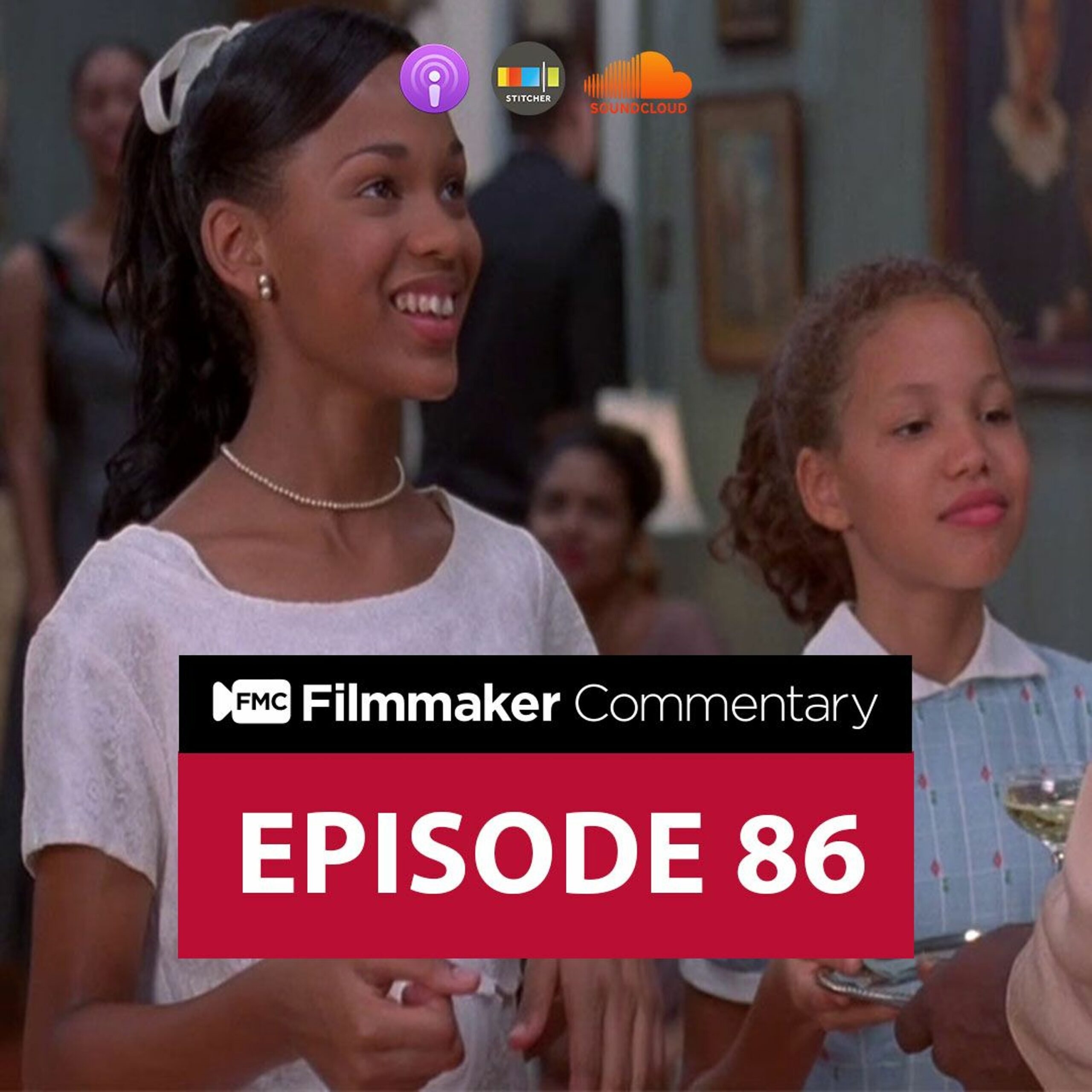
FMC 086: Eves Bayou Written and Directed by Kasi Lemmons

May 6, 2020
Listen on Apple Spotify YouTube
Listen to this episode
Your browser does not support the audio element.
Also on Apple Spotify YouTube

Step into the rich, atmospheric world of Kasi Lemmons’ directorial debut, “Eve’s Bayou,” with this insightful episode of Filmmaker Commentary. We unpack a film lauded by critics like Roger Ebert as a standout of 1997, exploring its deeply layered narrative, powerful performances, and unique storytelling. Join us as we dissect how Lemmons masterfully weaves a tale of family secrets, childhood innocence, and the complex bonds that tie generations together.

Reginald Titus Jr. and Casey G. Smith dive deep into the film’s production, its critical reception, and its lasting cultural impact. You’ll hear about the film’s modest budget and box office success, alongside Kasi Lemmons’ groundbreaking approach to storytelling and visual style. This discussion provides invaluable perspectives on indie filmmaking, character development, and creating an enduring .

What We Cover

  • The intricate family dynamics of the Batiste household in 1960s Louisiana.
  • Kasi Lemmons’ distinctive directorial vision and her use of visual storytelling, including the film’s unique black-and-white sequences.
  • Unpacking powerful performances, especially Jurnee Smollett’s portrayal of Eve and Samuel L. Jackson’s nuanced role as the patriarch.
  • The film’s exploration of themes such as the ‘need to be a hero,’ family secrets, jealousy, and the lingering presence of death and the supernatural.
  • Behind-the-scenes insights from the director’s commentary, including deleted scenes and the challenges faced during production.
  • A look at “Dr. Hugo,” the short film that inspired “Eve’s Bayou,” revealing early creative decisions and character origins.

Key Moments

  • (0:30) Initial thoughts on “Eve’s Bayou” and its critical acclaim, including Roger Ebert’s high praise.
  • (2:55) Reginald shares personal connections to the film’s characters through his wife’s family experiences.
  • (17:40) Discussing Jurnee Smollett’s powerful performance as Eve and her ability to anchor the film.
  • (26:00) Insights into Kasi Lemmons’ decision-making regarding casting and the collaborative effort behind the scenes with a predominantly female crew.

Gear & Films Mentioned

  • “Eve’s Bayou” (1997)
  • “Pulp Fiction” (1994)
  • “Boyz n the Hood” (1991)
  • “Higher Learning” (1995)
  • “My Girl” (1991)
  • “Do the Right Thing” (1989)
  • “Badass” (2012)
  • “Cadillac Records” (2008)
  • “Dr. Hugo” (short film)
  • “South Park” (TV show)

Listener Questions

  • How did the unique visual style, like the blend of black-and-white and color, enhance the storytelling in “Eve’s Bayou”?
  • What impact did the film’s strong female creative team (director, DP, editor) have on its themes and portrayal of women?
  • What lessons can independent filmmakers take from the production challenges and creative decisions made during the making of this film?

For more discussions on filmmaking insights from your favorite director commentaries, make sure to visit Filmmaker Commentary.

Full Transcript

Read the full transcript

Full Episode Transcript
This episode of Filmmaker Commentary Kasi Lemmons' 1997 film *Eve's Bayou*, discussing its production, critical reception, and thematic depth, alongside current events and personal film watches.

Introduction and Production Notes
Reginald Titus Jr.: Filmmaker Commentary, episode 86. Welcome to Filmmaker Commentary, where we give you insights from our favorite filmmaking commentaries. These commentaries can be heard on your DVD and Blu-rays of your favorite movies. We'll show you how you can use these commentaries and apply them to improve your video production and filmmaking techniques. All of this here on Filmmaker Commentary. I'm your host, Reginald Titus Jr.
Reginald Titus Jr.: Welcome to Filmmaker Commentary. I'm Reginald Titus Jr. I'm joined with Casey G. Smith. Welcome back, sir.
Casey G. Smith: Good to be back, sir.
Reginald Titus Jr.: Today, we're talking about *Eve's Bayou*, released November 7th, 1997, written and directed by Kasi Lemmons. This film was nominated for a lot of awards, about they won like 12 out of 17, but no Oscars or anything like that. But they did, you know, were nominated for the NAACP Image Awards, and, uh, it was talked out, it was talked about a bit. Even, um, Roger Ebert says *Eve's Bayou* is the best film of 1997. We have a budget of 5 million.
Casey G. Smith: What'd you get?
Reginald Titus Jr.: Did it—
Casey G. Smith: I had a 6, I see 6 million on IMDb Pro.
Reginald Titus Jr.: Oh, okay. So,
Casey G. Smith.: That's a big discrepancy though.
Reginald Titus Jr.: Between—I know, right. A million bucks is a million bucks. Where'd that extra million go? Stop about that.
Reginald Titus Jr.: So yeah, so between 5 million to 6 million dollars, uh, we had a box office of 14.8 million domestically and I don't know if it was released world, you know, internationally, so all we have is domestic numbers and we see that quite a bit with some of these early, you know, some of these late 90 films and earlier films where
Casey G. Smith: Predominantly black cast.
Reginald Titus Jr.: Yeah, and even some of the, um, other films, other American films, they don't, they haven't been reporting the international stuff, and I don't know if it's because maybe they, like, maybe they sold the, you know, pre-sold it like, say, like an AFM market or something like that and they sold it and didn't report it. I don't know. But
Casey G. Smith: Global box office wasn't as big of a deal, 20 years ago as it is now. It's everything now. It's the it's it it basically the model inverted, where you you need global unless you're, again, indie, we're talking about offline, you need you need global to really make a splash or to make your money back and in some cases, or a lot of cases.
Reginald Titus Jr.: Yeah, that's pretty much that for *Eve's Bayou*. Before we talk further about *Eve's Bayou*, let's talk about news, movies watched.

Current Events and Media Consumption
Casey G. Smith: So, according to Deadline, they've reported that uh South by Southwest as an entity, as an organization has had to lay off a third of its full-time employees.
Reginald Titus Jr.: Whoa!
Casey G. Smith: Following the announcement by the city of Austin that they were canceling the event.
Reginald Titus Jr.: So actually their full-time employees, or are these employees that's just for the event or throughout the year?
Casey G. Smith: They work for their, they were full-time employees of South by Southwest as an as an organization. And according to, I think about 51 or so full-time employees being laid off just because I mean, basically
Reginald Titus Jr.: That would hit because they probably had to, what, return all that sponsorship money?
Casey G. Smith: Oh man, I'm sure they did.
Reginald Titus Jr.: Ooh.
Casey G. Smith: That's a, I mean, it's a gigantic. I mean, the event is so big, I mean,
Reginald Titus Jr.: Because you're really just going
Casey G. Smith: Causes to put down and
Reginald Titus Jr.: Dang. Yeah. Because you're living event to event basically.
Casey G. Smith: Yeah. I mean, it's the big one of the of the year. I mean, it's
Reginald Titus Jr.: They're only one. So like, for
Casey G. Smith: You're planning, you're planning, I'm sure the whole year planning for this thing. It's so gigantic.
Reginald Titus Jr.: It's like the Oscars. Like that organization, all they do is put on that show. Yeah.
Casey G. Smith: So many moving parts because you have the film portion, you have uh interactive gaming portion, you have the music portion.
Reginald Titus Jr.: Yeah. Tech, you got.
Casey G. Smith: Tech. Yep. So I mean obviously all this because of the the Corona scare. And and yeah, it is impacting. I mean, you all know, right? If you're listening to this, you know, it's impacting everything.
Reginald Titus Jr.: I live in a bubble, so like I'm like, oh, kids go to school every day, so it's like they could have anything, you know. They could have anything. Yeah, so we've been taken out by plenty of viruses throughout the years.
Casey G. Smith: Even when you
Reginald Titus Jr.: It's Like, like, done for a few days, like, serious.
Casey G. Smith: But they say with this one, what I've I've heard, people that have passed away from it seem to be people that either have like a pre-existing condition, uh and typically seem to be older. I don't I don't know what the youngest age of somebody who's passed away from this has been. I mean, all all is tragic nonetheless. But I think there is a I guess a fine balance between if there's outbreaks like within your city, high concern, right? Maybe a little panic. But if there's not an outbreak in your city, concern, right? Wash your hands, people. Warm water.
Reginald Titus Jr.: Just in general. Like, you still have the flu that happens every year anyway, especially between seasons.
Casey G. Smith: Which which kills a lot of people.
Reginald Titus Jr.: Yeah.
Casey G. Smith: More than this Corona thing has.
Reginald Titus Jr.: Yeah.
Casey G. Smith: Yeah. The flu is is is a consistent killer.
Reginald Titus Jr.: Yeah.
Casey G. Smith: So wash your hands, people. If you cough, cough into your sleeve. You should be doing these things anyway, right? But don't buy up all the hand sanitizer just yet, or buy up all the toilet paper. If it's not in your city, no cases reported in your city, I mean, yeah, you can have an extra roll or two, but
Reginald Titus Jr.: It's crazy, man.
Casey G. Smith: Taking it all?
Reginald Titus Jr.: I was I was talking to these uh two brother doctors, you know, uh one's dealing, he's in medicine with, um
Casey G. Smith: Sounds like a sitcom.
Reginald Titus Jr.: Two brother doctors. And then I was like, what? That's funny. Uh, it doesn't even matter they're brothers, right? It's just two doctors that are men. Who knows? But anyway, there I was talking to them a week ago and they're like, the media's making it bigger than what it is and people are like truly overreacting, you know. And it's there's more people dying of other things that aren't as popular.
Casey G. Smith: Sure.
Reginald Titus Jr.: Um, but he said, uh, he's been reporting in our city, you know, he said, I'll know in about a week what's really up, you know, he's been following the statistics and things like that. But I said, man, what's going on, man? It is it is voting season, so anything can happen during the voting season.
Casey G. Smith: True, true. Again, I think it's yeah, there's concern, high concern.
Reginald Titus Jr.: I knew I was in trouble when I uh I had to deliver, um, I rented some some film equipment because I had an event to shoot on this past Monday. And when I dropped it off, uh they usually give like, hey, you want a free bottle of water, some Pepsi, Dr. Pepper, like, give me Dr. Pepper. I said, hey, can I get Dr. Pepper? He's like, yeah, um, use the hand sanitizer. And then I was like, where at? I was like, this is the first time they've ever, you know, say hand sanitizer. And then so I said, that's smart, you know, and he has a big sign, like, hey, Coronavirus, get my little Dr. Pepper out of there and I was like, now that I think about it, y'all are touching hundreds and hundreds of items of camera equipment. Are you wiping those down? Uh, we don't really have the manpower. I was like, hmm, interesting. I gotta go.
Casey G. Smith: Well, I mean, it's like with if you go like to Guitar Center and you want to go and purchase a mic, if you buy a mic from them, I don't think you can return it if it's been used because of like tuberculosis, things like that. And yeah, so many things that we that we touch, that's just a part of life. I mean,
Reginald Titus Jr.: God only knows like these door knobs and, you know, for like just public places that have a great amount of traffic, I can only imagine what's on there. Just in just everyday life. Just
Casey G. Smith: With with my daily job, I have to, you know, when I'm collecting interest in in in my in my uh organization I work for, there are times where I pass around tablets and I wipe them off with alcohol every time afterwards. But I've lately I've been using my cards, like my little my inquiry cards instead, like passing those out. I don't know if like there's maybe I don't know. Probably not, it's not, it is what it is. So it's like, oh man,
Reginald Titus Jr.: It's part of the game, baby.
Casey G. Smith: For real. Watch those hands.
Reginald Titus Jr.: Yeah, man.
Casey G. Smith: So yeah, Coronavirus is basically ruining everything. Well, I mean, the stocks and man, there's some
Reginald Titus Jr.: That's like the biggest indicator when people when that starts happening, it's like
Casey G. Smith: Billions. Bezos lost like seven billion or so.
Reginald Titus Jr.: Wow.
Casey G. Smith: Yeah, the billionaire won't take us some L's.
Reginald Titus Jr.: He'll be fine.
Casey G. Smith: Yeah, he will.
Reginald Titus Jr.: But I mean, just to wake up and say, I lost seven billion. I mean, you're going to be, you're going to be upset.
Casey G. Smith: He didn't lose it in cash. He'll just stop.
Reginald Titus Jr.: I'm just saying, if you have it, you don't want to lose it. That's not how the wealthy stay wealthy. They don't stay wealthy by losing billions.
Casey G. Smith: So it was it was like the price the share the the value of the stock dropped, right? Is that what it is?
Reginald Titus Jr.: Sure. Oh. So instead of a hundred dollars per share, it went down to 50. And then people say, hey, you lost it. He didn't lose anything. Just the the value changed.
Casey G. Smith: Right. But if he's like seven million, seven billion in his pocket and then it disappears, and he lost it that way, oh, wait a minute.
Reginald Titus Jr.: What the
Casey G. Smith: Bezos probably take himself out.
Reginald Titus Jr.: Let's get off this Coronavirus.
Casey G. Smith: Ruining everything. Even our podcast. Moving on.
Reginald Titus Jr.: It's been taking over.
Casey G. Smith: Hi, I'm the Corona. Hi, I'm the Corona. How you doing?
Reginald Titus Jr.: That's a voice.
Casey G. Smith: Oh man.
Reginald Titus Jr.: All right, man. What have you watched?
Casey G. Smith: Um, I have watched a couple of things. So I mentioned I was jumping back on the Runaways. I finally finished that series all three seasons. Enjoyable. Very, very enjoyable, some some good performances. I I love how they expanded on the the the lore. And satisfied with the with how with how it ended.
Reginald Titus Jr.: Okay.
Casey G. Smith: Uh I must I'm satisfied with with how it ended. But yeah,
Reginald Titus Jr.: That's good. That's rare.
Casey G. Smith: Yeah, and only three seasons, not not too crazy. Each season about 12 episodes.
Reginald Titus Jr.: I'm a fan of closure. Yeah.
Casey G. Smith: Yeah, definite closure. So yeah, Runaways is one thing I've been watching. How about you?
Reginald Titus Jr.: Episode three of *Briar Patch* with Rosario Dawson. That's about it. It's all I've had time for the last two weeks. Man, it's been serious.
Casey G. Smith: This is Big Daddy's hustling. It's real out here.
Reginald Titus Jr.: How?
Casey G. Smith: I have also been watching *Shaka Zulu*. Oh.
Reginald Titus Jr.: Yeah. Again, something I saw bits and pieces of as a kid and for whatever reason, I saw it on Netflix. And I'm like, and it's been in it's been on in my, you know, my my list for yeah, years, I guess, now. I said, you know what?
Reginald Titus Jr.: It's time.
Casey G. Smith: It is time. Hit play on that bad boy. Sometime this weekend, I think it was or sometime last week. Just hit play and started watching it and you know, some imagery when it comes back and starts to spark memories. This thing is so well done. I mean, in the in the in the vein of Roots, because it it looks like it's, you know, shot around the same time, the quality of the film and all that. But it's it's it's so well lit. It's it's the the acting and the performances are are well done. One thing I find fascinating though is, you know, they're trying to you know, portray the the you know, the African culture and things like that of the time. I mean, the women are just I mean, just, you know, practically naked, like just bare breasts like everywhere. And you kind of get like, you know, desensitized to it like, no big deal. But I'm always curious with that. I'm like, okay, if if you were showing a a documentary on like a nudist colony and then they weren't African or or or native people to a land, would you still show that and why why is it why is it okay? Because I mean, even when it aired on TBS back in the day, TBS, right? They still would show, I think they still would show that stuff.
Reginald Titus Jr.: Yeah, I think so. I think that's why I'm parents are like, ah, go in there.
Casey G. Smith: Yeah, so I'm like, why is that okay when it's native people?
Reginald Titus Jr.: Why is it okay for black folks to be exploited, but yeah.
Casey G. Smith: Yeah. I I just find that curious. So anyways, I thought that just came across my mind. But yeah, *Shaka Zulu*, man, well done. Valid question. Amazing performances. Yeah, it's it's 10 10 episodes. These were about an hour long, so it's it's it's it's quite a bit of of content. They're diving in pretty deep. But yeah, it's it's uh it's quite the classic for for what it is and I think it holds up pretty pretty well.
Reginald Titus Jr.: And it was like in HD and everything? Pretty clear?
Casey G. Smith: Yeah, oh yeah. Yeah, it's definitely clear. But I mean, you know, obviously know, it's it's product of of, you know, how they shot then and and the colors and all that kind of stuff. But it's it's again, it looks it looks good.
Reginald Titus Jr.: Okay. In my opinion.
Casey G. Smith: It looks it looks really
Reginald Titus Jr.: Cause if you still have a film print, you can transfer it over to HD and ultra HD and 4K and things like that. If you still have the film print. If you just have, you know, a roll of tape or somewhere, you're just kind of screwed.
Casey G. Smith: Yeah, I think this is definitely was taken in. So like, kind of like remastered kind of okay. Yeah, it looks it looks uh it's widescreen and all that kind of stuff.
Reginald Titus Jr.: Okay. Very fit.
Casey G. Smith: Yeah, it looks it looks good again, it's yeah, and it definitely like the details are are definitely there. But yeah, just as I watch it and I see different scenes. I'm like, man, how they lit certain things and you know, you're contrast and obviously obviously a lot of natural light used throughout. But then some of the nighttime shots, there's some cool stuff that's happening. And you can't have to watch it and and think and think about *Black Panther* and think about certain scenes. And when you look at the the actual dress what these people are are wearing, it's again, also impressive. And this came out in '86.
Reginald Titus Jr.: Okay.
Casey G. Smith: Um is when it came out. And it it it had to take them at least a couple of years. I would say at least two years to make this thing.
Reginald Titus Jr.: Dang.
Casey G. Smith: There's so there's so many people, so many extras, so many scenes.
Reginald Titus Jr.: That's a huge undertaking.
Casey G. Smith: Yeah. I mean, again, 10 episodes, an hour each. That's it's a lot of content. And and and and it's a period piece.
Reginald Titus Jr.: That's a commitment right there.
Casey G. Smith: Totally. Hats. Uh also, did I mention *Purple Rain* last week? Maybe I said it didn't delete it off of delete it off my list.
Reginald Titus Jr.: Well, I don't know.
Casey G. Smith: Purple Rain.
Reginald Titus Jr.: I think you might have mentioned it in the meeting.
Casey G. Smith: Okay, when we were just talking. Okay, so I also I finally got around to watching *Purple Rain*. I guess I'm feeling nostalgic, I guess. You know,
Reginald Titus Jr.: Yeah, I see. 80s.
Casey G. Smith: Yeah. All kinds of blackness. Give me Shaka Zulu, give me Prince. *Purple Rain* also also a product of its time. Yeah. And speaking of the time, uh Morris Day is on just turned up all the way at the height of his potential popularity.
Reginald Titus Jr.: Yeah, I love his character in there.
Casey G. Smith: He's he's a nut, man. He's a ham. He's such a ham in this film. But it's uh, yeah, I I I enjoyed it. It it there's some like dark stuff that Prince is exploring as far as with his own family dynamic and things like that and obviously amazing soundtrack. And yeah, I I enjoyed it as a as a whole. Purple
Reginald Titus Jr.: I think that might be in my top 100, like kind of like music films. I wouldn't say musicals. Music films.
Casey G. Smith: Thank you for designating that. I appreciate you. Appreciate you.
Reginald Titus Jr.: Yes.
Casey G. Smith: And then lastly, I saw *Sonic the Hedgehog*. The animated feature. Ooh, yeah. I just got through listening to, um,
Reginald Titus Jr.: Yeah.
Casey G. Smith: KCRW. She interviewed, um,
Reginald Titus Jr.: James Marson?
Casey G. Smith: Is he the one responsible for recreating the character?
Reginald Titus Jr.: No. Who was the guy responsible for recreating the Sonic character?
Casey G. Smith: Like when they redesigned him after their first trailer debacle. I don't know his name.
Reginald Titus Jr.: He had studied under Tim Miller and all that. But um that was a that was an awesome interview. KCRW, check it out, the Business. Just to get a little more
Casey G. Smith: Ken Masters.
Reginald Titus Jr.: Ken Masters, what did I say? Ken what?
Casey G. Smith: No, you didn't say anything.
Reginald Titus Jr.: I didn't say anything. I just said the Business, didn't I? I was like, I just want to make sure I didn't want to give a the wrong name.
Casey G. Smith: Yeah, it's like, I hear like, oh yeah, Ken Masters.
Reginald Titus Jr.: Yes, indeed.
Casey G. Smith: The Business.
Reginald Titus Jr.: The Business. Yeah, well done. But yeah, some good insight on there. So what'd you think, man?
Casey G. Smith: It was fun, man. It was a fun movie. I I I went with a buddy of mine and his his his two little ones and I cuz I I he's got him for spring break and I so and you know, he's getting a little stir crazy. I said, all right, y'all, I'll go with you to a film. I said, Sonic. It's got to, you know, it's got to be Sonic though. Went and saw it and yeah, yeah, I liked it way more than I thought I would. It it's got it's got obviously it's got heart. It's got some it's got a couple good laughs. Jim Carrey is is full 90s. He's going he's going full 90s in this movie. Like all the things that made him famous, you know, the the exaggeration over the top, the rubber rubber, you know, rubbery expressions and all that kind of stuff. Yeah, enjoyable. It you know, pretty good looking uh effects uh throughout as well. And yeah, I I I enjoyed it. And there there, you know, it's already kind of set up for a potential sequel. Okay. But uh but yeah, Sonic. It's uh it's a fun fun film.
Reginald Titus Jr.: Okay. I can dig it.
Casey G. Smith: Trailers.
Reginald Titus Jr.: So while at the movie *Sonic*, I saw a trailer for *Scooby Doo*.
Casey G. Smith: Is it animation or?
Reginald Titus Jr.: Yeah, 3D animated *Scooby Doo*. It's really kind of seems like it's like it's exploring a pseudo maybe modernized version of these teens that you see how like kind of Shaggy and Scooby meet and then how they get introduced to Fred and Velma and what's the other one? Daphne.
Casey G. Smith: I wasn't really a Scooby Doo person.
Reginald Titus Jr.: Not really. Sorry about that.
Casey G. Smith: I I liked the theme songs back in the day.
Reginald Titus Jr.: Just Turtles.
Casey G. Smith: You're just Turtles. Okay, y'all. Turtles, not dogs, Turtles.
Reginald Titus Jr.: Just different, you know, like just it felt old watching it when I was young. He was like, this is a little older, you know, like some of the Johnny Quest stuff, like, I don't know.
Casey G. Smith: Bugs Bunny.
Reginald Titus Jr.: Yeah. It's still see Bugs But that's classic, you know what I'm saying? Like
Casey G. Smith: You're saying Scooby's not classic?
Reginald Titus Jr.: Nah.
Casey G. Smith: Scooby's been holding it down for a long time.
Reginald Titus Jr.: Oh, nah.
Casey G. Smith: Yeah. It's understandable. Scooby also was a different flavor. Scooby is Hanna-Barbera versus say Warner Brothers. Uh so there's some stylistic choices and differences. Again, I always I always enjoyed just the theme songs from from Scooby Doo. Whether it's Scooby Dooby Doo, where are you? We need some help from you now. And then you have the other, you have the other version of the show where it was all about team-ups. Like they'd have the three stooges. So whatever other cartoons Hanna-Barbera had going on, they would incorporate those characters into the different episodes. So you have the three stooges in one, you have Batman and Robin in another one, you have the Adams Family. I'm like, this is like a big marketing campaign almost. Like if you had a show going, you want to, hey, we'll just bring them, hey, bring them in an episode. Then it made it kind of it made it fresh, interesting. And some some were just cameos from like real-world people, but they would just put them into the show. Um, but yeah, so anyway, but this trailer, I got to admit, like I laughed out loud several times during the trailer. There was like the writing is it seems pretty good. It was pretty funny. I was like, whoa.
Reginald Titus Jr.: Who did that, I wonder?
Casey G. Smith: I have to I have to go and look. But I I genuinely want to see this. I'm like, this looks really funny. Like, forget like, you know, kids. It looks funny.
Reginald Titus Jr.: That's interesting. I think, uh, what's our guy? Uh, who did *Galaxy*? *The Guardians of the Galaxy*?
Casey G. Smith: James Gunn.
Reginald Titus Jr.: He wrote the other, but I think that was live-action, wasn't it? *Scooby Doo*? Was it live-action? The
Casey G. Smith: Mm-hmm. Yeah, and just just Scooby was CG.
Reginald Titus Jr.: Maybe he wrote, I think he wrote that one. Cause they had like two or three of like two or three of those. As as like Freddy Prince Jr. in it and, uh, Sarah Michelle Gellar. Yeah, they're in those. They were in those films.
Casey G. Smith: Yeah.
Reginald Titus Jr.: So they were, they were successful. But I'm just saying like that audience, you know, the people that were zoned in at the time. like, let me go check that out. Brought their kids, of course, and then. Yeah.
Casey G. Smith: Uh-huh.
Reginald Titus Jr.: It's a it's a cool way where you can kind of keep a franchise going, you know, introduce new people, just dress them up, same, but it's new people. It's pretty cool how you can introduce that to like *Sonic* to me is like, you know, the video game, but then I can enjoy it too. And then my son he wants to watch it, so it's like, all right, we can kind of, we're both, we our experience with Sonic's different. But also some of his friends play Sonic on like the 2D platform. So
Casey G. Smith: That's true. And some and some grew up with the cartoon of Sonic.
Reginald Titus Jr.: That's right.
Casey G. Smith: Which I never I never got into. But there's there are those in the 90s like they know Sonic and, uh, Jaleel White voicing him.
Reginald Titus Jr.: Really?
Casey G. Smith: Yeah, he was the voice of Sonic.
Reginald Titus Jr.: Trivia!
Casey G. Smith: Sega. But yeah, so for some that's their entry point. And some might be comic books.
Reginald Titus Jr.: Got to hit 'em from all angles with your franchise.
Casey G. Smith: And I I got to admit, it was very, very cool. I'm an old Sega head. It was very cool seeing like the opening credits and like this cuz it's like Sega partly produced the film.
Reginald Titus Jr.: That's right.
Casey G. Smith: And so seeing like this big screen come up with just like a montage of images of like old Sega Genesis games, I was like, nostalgia. Yes, sir. My heart.
Reginald Titus Jr.: Ah, ah, ah, ah, ah, ah, ah, ah, ah.
Casey G. Smith: Yeah, it was it was nice. I enjoyed it. So *Sonic the Hedgehog*.
Reginald Titus Jr.: Okay, y'all.

Deep Dive into Eve's Bayou
Reginald Titus Jr.: This episode of Filmmaker Commentary is brought to you by *Natural Hair the Movie* by Grind over Matter Films, available for purchase and rent on Amazon Prime Video, service and video on demand. Please watch and leave a review.
Reginald Titus Jr.: And now let's jump right back into the show. Thank y'all for tuning in. We're talking about *Eve's Bayou*, released November 7th, 1997, written and directed by Kasi Lemmons. Let's jump into the synopsis.
Reginald Titus Jr.: Louis Batiste, the local town doctor, with a special bedside manner, is a loving father and a philandering husband. His wife, Roz, is forced to admit her family is falling apart when her younger daughter, Eve, witnesses one of her father's infidelities. Struggling to make sense of what she has seen, Eve turns to her older sister, Cisely, who dismisses her in fear of the truth and then to her Aunt Mozelle, a known psychic and rumored Black Widow. Unable to find the understanding she is looking for, Eve decides to take matters into her own hands. As the heat rises, so does the tension. For the Batiste family, the ties that bond may not be strong enough to keep them together and what they learn will change their lives forever. *Eve's Bayou*.
Casey G. Smith: And if this is your first time listening to Filmmaker Commentary, please know that there will be spoilers. You've been forewarned.
Reginald Titus Jr.: How did you watch this movie? Where did you get it? Let us know.
Casey G. Smith: Hey, well, I I purchased this from Movie Trading Co.
Reginald Titus Jr.: Okay.
Casey G. Smith: Movie Trading Co., holla at us, sponsors. Yes. Um, we'd love you to be a sponsor. That it is. So I purchased it from Movie Trading Co. Had never seen the film before. I I'd seen a clip of it somewhere at some time, but I never watched the whole film. So this past weekend, I finally buckled down, watched it. , enjoyed it as as a whole. There's some some really good performances within this and and it's it's it's it's it's layered. Yeah. And Sam Jackson is just just incredible. And it's crazy to think that he did this after *Pulp Fiction*, right? *Pulp Fiction* is '94, this is '97. Got to love it. Yeah, like, dude, this guy's on fire.
Reginald Titus Jr.: He was on fire. Yeah.
Casey G. Smith: Yeah. And so, yeah, so that's how I got introduced to *Eve's Bayou*. How about yourself?
Reginald Titus Jr.: This was floating in the zeitgeist, zeitgeist in the 90s, um, it was always in the background, but nothing really about it really intrigued me to watch it. You know, I was fight, looking at freaking *Pulp Fiction* and *Fight Club*, you know, *Matrix*, all that stuff. Well, '97, what was I watching? So this was not just really on my radar like that. Uh always known about it, but never like, okay, I'm Today's the day. No, that day never came. So this was my first time. I I bought the DVD, Movie Trading Company, 5.99. And, uh, was surprised. Yes. Well done. I mean, what I liked about the film is a Journey Smolette, her performance, she steals your heart and runs away with it.
Casey G. Smith: Yeah, she's pretty phenomenal in this film.
Reginald Titus Jr.: I watched it with my wife and when this movie came out, her family was watching it and say, hey, you remind how you act is just like how Journey acts. And my wife's uh like kind of nickname was Red, the girl's name in there is Red. And So Louisiana. From Louisiana. And then just kind of how she was like trying to find the truth from the adults. And my wife also had like an auntie who was the worldly auntie that kind of let her in to the the grown-up world in a way. Okay. She had an auntie like this. I was like, this actually touched her heart to watch the film.
Casey G. Smith: Wow. One of the things I I enjoy about it is that it it's showing this affluent black family. Yeah. And just even the people as as a whole, everybody seems to be doing all right. Yeah. Like this is not it's not an impoverished
Reginald Titus Jr.: *Color Purple*?
Casey G. Smith: Yeah.
Reginald Titus Jr.: You know what, maybe when I was younger, I thought *Eve's Bayou* was going to be like a *Color Purple* something. I was like, I'm not interested.
Casey G. Smith: I could see I could see what one would think that because and even time period wise, it's like, what time period is this set in? Is this set potentially in pseudo modern times? Because they don't you don't see a lot of vehicles.
Reginald Titus Jr.: At the very beginning, you do see the vehicles pulling up at the house.
Casey G. Smith: Oh, there are some buses. Yeah. It's yeah, I guess it's still is in a
Reginald Titus Jr.: Yeah, it's like the Cadillac, like the classic Cadillac. We saw like the Five Heartbeats and things like that. Yeah, that's a good point. Yeah, and then the bus and all that kind of stuff. Hmm. So like we're talking like 50s, 60s, somewhere around there, maybe even 70s cuz you know, some vehicles didn't change too much in some of those windows of time as far as yeah. So, I don't know, it's interesting. But nonetheless, it it was nice to see like just just kind of affluent town. And even as it opens up, he's got people there just celebrating, you know, people dressed up, having a good time. And doing their thing.
Casey G. Smith: Uh-huh.
Reginald Titus Jr.: And I agree with you, you know, just seeing a regular just family. You know what I mean? How about that? You know, it doesn't have to be Just a regular family. They're just black, living in Louisiana. There you go. They're all working, you know, they're trying to take care of the trying to hold the family together. That's about the regular story of all every family.
Casey G. Smith: Oh man.
Reginald Titus Jr.: Yes. Every family. The struggle to keep everybody together. And then if it doesn't happen, you know, the struggle of when it splits up and, you know, you know, death, things like that.
Casey G. Smith: Drama.
Reginald Titus Jr.: Drama and drama ensues. Yeah, so, yeah, I did like it, man. And Journey, yeah, again, Journey steals your heart. I was like, she is holding it down in this film.
Casey G. Smith: So I have a in when I watch certain movies, and especially when there's a a child actor, depending on how the characterization goes, it's a fine line for me as far as when they're acting too grown. Sometimes, sometimes I'm like, hmm.
Reginald Titus Jr.: Example. Child.
Casey G. Smith: Example. Uh, there's a couple moments in here, you know, where she's, you know, she's throwing some attitude. I'm like, that, you're being disrespectful child. You know, but it's part of her characterization. I get that. But that always just rubs me.
Reginald Titus Jr.: Oh, disrespect, disrespectful child.
Casey G. Smith: Yeah, I don't like it. I don't like it.
Reginald Titus Jr.: In the god dang!
Casey G. Smith: I'm like, what what?
Reginald Titus Jr.: Yeah, Journey's dropping the GD up in here. I was like, man. But as the child is trying to get attention, she's doing whatever she has to do to get that attention.
Casey G. Smith: She is the middle the middle child. Yeah. She has to fight for that attention.
Reginald Titus Jr.: Jealous jealous for her over her sister. Not not, you know, the the same fond over like the youngest brother and the only boy. So, yeah, she does hit that that middle uh middle ground. Yeah, I hadn't really considered that. Yeah, her mom checks her auntie checks her when she starts cussing like that. She slaps her on the butt like, what are you doing?
Casey G. Smith: Yeah. Mm-hmm. And again, those small little nuances within within the film that's like just like just ring true uh black culture.
Reginald Titus Jr.: True. What did you think about the commentaries? I thought it was two commentaries, but I think only one popped up for me.
Casey G. Smith: Mine had two. And I just watched one of them. I mean, listened to one of them. Uh mine was a production commentary.
Reginald Titus Jr.: That's the one I watched. Yeah. Mine had one with the cast also, but I didn't I didn't get around to it.
Casey G. Smith: Oh, okay. Yeah. Mine, I'm okay. I'm very curious to to know, well, I guess you had that commentary, like it talked about this version of the film being the director's cut.
Reginald Titus Jr.: Yeah, mine looks the same way. It is?
Casey G. Smith: Yeah. Okay. Yeah, my my case is the is the same as this. And some of these other features don't I couldn't find anywhere. I couldn't find the the the MCA soundtrack presentation, nor could I find the the filmography stuff. Interesting. I'm like, where is this stuff? Yeah, filmography is not does like a whack little uh.
Reginald Titus Jr.: Have you seen that? It's just like a slate of just
Casey G. Smith: It wasn't there. Just like it give the image of the of the actor and it's a small list. You know, you typically know, I think this is a bootleg, brother. I think this might be bootleg. Cause I'm looking at the DVD and like, mine said it was brand new. The words are like kind of fuzzy. It looks like it's been copied, like it's been copied. It might have been, my version might have been bootleg.
Reginald Titus Jr.: The words are like kinda fuzzy.
Casey G. Smith: Mine looks the exact same.
Reginald Titus Jr.: Really?
Casey G. Smith: Yeah. My copy's like the exact same and it doesn't look any better.
Reginald Titus Jr.: I was like, I can't read these names on here. Yep, yours is actually the letters are worse.
Casey G. Smith: Mine said brand new. They lie to you, Jack.
Reginald Titus Jr.: They lied to you. It came, you told you, you sold it. They lied to you, Jack.
Casey G. Titus: Cellophane wrapped and everything.
Reginald Titus Jr.: Look how yellow yours is.
Casey G. Smith: Well, possibly been hoodwinked, ladies and gentlemen. It's some bootleg Eve by you. Eve by you out there. But yeah, mine was missing quite a few, quite a few features. So I don't know what's going on with the distribution of this. Try Mark, we need to have a conversation.
Reginald Titus Jr.: Well, they're still in business? No, I haven't seen that logo in a while. So sorry about that. But, um, I forgot what we were. But nonetheless,
Casey G. Smith: Yeah.
Reginald Titus Jr.: Grown kids, I guess.
Casey G. Smith: Grown, yeah. Yeah, sometimes I'm
Reginald Titus Jr.: Oh, the special features, that's where we were at.
Casey G. Smith: Yeah. Some of them were not, were not on there. And if it's bootleg, I guess that's why.
Reginald Titus Jr.: What did you think about the commentary in in general though?
Casey G. Smith: It's one of those situations, right? We we've when you have too many cooks in the kitchen sometimes. It I I would have preferred just her and her cinematographer.
Reginald Titus Jr.: Kasi.
Casey G. Smith: Yeah, Kasi Lemmons and her cinematographer.
Reginald Titus Jr.: Who was it who who was the other person that was jumping in?
Casey G. Smith: There was uh I believe it was a a producer. I think it's this guy uh Caldecott, Caldecott Chubb.
Reginald Titus Jr.: Writer, director, producer. You got the DP and then the editor.
Casey G. Smith: Yeah, the editor is Teralynn, Teralynn A. Shropshire, Shropshire. That's that's interesting. Yeah, Teralynn Shropshire and I believe the producer, Caldecott Chubb, and then cinematographer Amy Vincent. Yeah, so it's all four of them on there. And you could tell there was some this shoot was not an easy shoot. There were constantly under pressure and trying to stay on schedule and budget. And there were changes made to the original version of the film. This is this version of the film is like the director's cut. And they mentioned that several times in the commentary. Yeah. Yeah. And the original, I guess theatrical release, the the character who is um the brother, who's kind of in the wheelchair. Wheelchair. Dude, I wonder if your version is not the director's cut.
Reginald Titus Jr.: Who's in the wheelchair?
Casey G. Smith: Ooh, you may you may have you may have watched the the theatrical. Yeah. My this version here, this is this is like when they even say in the commentary, they said like the director's cut. And they talk about the troubles that they had and how they how they recut it to take and they they they shot it all and they had that they literally took this character out of everything. I'm super curious how your film ended because the ending I think is is different.
Reginald Titus Jr.: The ending on mine is the two girls holding hands looking at the water.
Casey G. Smith: Okay, so before that, what okay. That's the last shot. Okay, so so at one point, Sam Jackson, what happens to him in your film?
Reginald Titus Jr.: He gets shot.
Casey G. Smith: Okay, just make sure that's that's the same. Okay. So Sam gets shot. Yeah. And then what happens? He gets shot. They have a funeral. Okay. They're crying, the girl.
Reginald Titus Jr.: At the funeral, does does uh does Red, does she see like a vision of the the voodoo witch doctor lady?
Casey G. Smith: Yes. She starts laughing. Did she laugh? No, she laughed when Journey came back like she came back to the house, like, I thought I had to do something with the dolls. And she started, girl. No, but yeah, she did see the vision of the uh voodoo lady at the at the funeral.
Reginald Titus Jr.: Okay. And uh Meagan Good's character is kind of crying hysterically at the funeral.
Casey G. Smith: Okay. Then what happened?
Reginald Titus Jr.: Uh Journey finds like a letter from Samuel Jackson. Okay. And confronts her sister about it. Okay. All right. That's that all is kind of matching up. And she tells her that she you lied, this and that, and does make and then Meagan Good's character tells I I I can't remember and kind of leaves it somewhat ambiguous. So does it does it show that when when it's giving a when when she's when when Red is reading the letter from her dad, that during that account, he's telling he his his side of the story is that, you know, she came down to comfort him and that she's the one that initiated the kiss on him. But that the like there's a like her uncle, who's a he's like he's like an invalid, like he's he's he's he's he's in this chair. He's in the room. He sees what happens. So he's not in the room. Oh, okay. So there is a there's a in the in the in this original cut of the film. What the hell? There is a there's a a uncle. He's he could be on the spectrum. I don't know what his ailment is exactly. But he can he's in a wheelchair. He can barely talk. So at the very beginning of the movie, when Red first sees her, Samuel Jackson, her dad with Miss what's her name in the shed or whatever. And they they they tell her to get ready to go to bed. When they're all outside and after, you know, they're they're the the the other family leaves, her aunt and and and her uncle leave. They tell her to make sure you tell, they they tell her make sure you tell uncle so and so good night. And so she goes upstairs and she has to go in the room where the uncle's at. And again, he can barely talk and he's like, he's like, you know, he says like party or something like that. She's like, yeah, it was a so and she's like, he can tell she's she's not comfortable around him. And again, he's like wheelchair, uh, ridden. So then but she's, you know, gives him a recap and then she says good night and she leaves. And so this uncle just pops up a couple times within the film. Dear God. Yeah, this character did not exist in my mind. And they said in the commentary. Thank God. They said in the commentary, they had to leave him. Now, this is important to Kasi Williams because she had an uncle like this in her life. And so when they that sucks, when they made her like take him out, like she was that sucks. Yeah, she was she was not happy about it. And also at the end of the film, having him there, he's the only witness who like knows the truth of what really happened. But he can't communicate the truth. No, but like it's like he was like that only witness who really knew what happened. And so to to her it was important to kind of have him there and for whatever given reason and that that kind of her her reasoning behind that. And so, yeah. So, I I don't know, that's very very very curious, man. That your version didn't uh have. Yeah. Cause it's still vague. I still don't get no answers. No, you don't. Yeah, so there's there's no point in just having everybody confused. It's just it's interesting though. It's that it's interesant. Yeah. Wow. Yeah, I didn't yeah, it maybe it would have added that extra layer to it, that actual human element to it because when we all have people in our family that have, you know, issues. So that's very real. Yeah, they had the ADR, the audio and and recut the film to not have him uh have him in the places that he's in. I wonder why they cut that out. Was it time? Was it a timing thing that they it was, you know, combination of things, studio notes, this and that. It was like multiple things. And like the producer in the commentary, he he talks about he was okay with it and you could tell still tell that Kasi she's she's glad that in this version that that it's not that way. That it's back to the normal version. And even the even the writer, um, excuse me, even the uh cinematographer also said she's glad that it's back that way. She said it looks like the film that we originally shot with that back in. I'm like, interesting. But nowhere on my disc did it say this is director's cut. Nowhere on my bootleg copy, apparently, did it say this is director's cut. I'm like, what is going on here? Yeah, it did not. Try Mark. Maybe it's a Maybe it's a problem. That's Quality control. Dang. Yeah, I wonder why. That wouldn't happen in today's environment just because, you know, special needs and things like that. No, fam. That happened. Cut out another part. For real.

Themes, Style, and Filmmaker Tips
Reginald Titus Jr.: Um, themes. What are some themes that you have from this film?
Casey G. Smith: Couple of themes I took away was the the need to be a hero. Sam Jackson's character literally says this to his wife towards the end. He goes, you know, some of these, you know, I I I my sin is the need to be a a hero. To some of these women I'm I'm that and and and more. But I think his his daughter has some of that in her as well. Like this need to be uh a hero. Once she finds out her sister's potentially hurt, she's got to be justified and has his righteous anger towards her father. And then when she he has the father's side, now she needs to feel justified and confront her sister to get the get the truth. And yeah, so the need to be a hero. Mom, the mom too, when she's trying to when to say, wind your children and she's just adamant about protecting them, not letting them go outside all summer, whatever the case may be, until somebody else's kid dies, unfortunately.
Reginald Titus Jr.: Reflection. That's looking back life. They visually show it in the mirrors.
Casey G. Smith: Yeah, I had mirrors down, also.
Reginald Titus Jr.: And with those mirrors showing the reflection of what happened in their past. Cool little theme that they added.
Casey G. Smith: For sure. We were talking about earlier, taking care of family. Yeah. Just throughout, it's it's a theme. And even, and this is what I think is the way it's it's written so brilliantly in the way that Sam plays it as, uh, Mr. uh, Batiste there as Dr. Batiste there. He is a womanizer, but at the same time, he's so charming and he loves his daughters, right? He has a genuine love for them, loves his family. He has again, has this again, so so even more so, right? Not having that brother in there that his family's taking care of, takes away from some of his some of his humanity and and likability. Mm-hmm. But also there's another clip that was cut. There's a clip early on in the film where he has just come in from being out late, and his wife, she's there. He tries, you know, to approach her and embrace her and she kind of, you know, pulls away from him and he's like, no, you know, he's talking to her and then pulls her and pulls her near and they embrace and then they they then walk upstairs together. And so it's like like there's I don't think there's any other moment in the film where they have like a pseudo intimate moment. It seems like the rest of the time they're they're they're they're fighting or or arguing. He talks about how they first met and and how, you know, men, you know, would would fight just to, you know, speak her name, or whatever the case may be. But that was a an intimate moment that they had that's I guess maybe not in the version that you saw.
Reginald Titus Jr.: No. It was always like a disconnect there. So I take it from the backstory that she knows about his infidelity and just just kind of just working through it, you know. Cause at the at the very part, at the very at the party at the very beginning, you know, there's something going on.
Casey G. Smith: Oh, yeah.
Reginald Titus Jr.: You know, so it's like, okay, we're starting off rocky. Yes. And I also put the uh, did you have any other themes?
Casey G. Smith: Yeah.
Reginald Titus Jr.: I would say Karma. And I think it's interesting that there's a a literal Black Widow, you know, she's that's it. That's all.
Casey G. Smith: Fascinating. Yeah. Brother doctors. Black Widow. We can do this all day. No, uh, power of suggestion. Yeah. It just makes you uh, makes you makes you wonder. And it's it's used at different points of time. So one, it gets used by by her older sister on her, right? Meagan Good uses it on her. She when she first tells her that she saw her dad kissing and rubbing up on some lady, and then they literally use that effect of kind of taking you into a it's it's hard to call it a flashback, a reimagining of what she saw. And and her sister literally says, no, this is what you saw. Mm-hmm. Wow, okay, that happens there. Then, uh, another time where it happens is when Red is talking to the husband of the lady that her dad is cheating with, when she runs into him. Oh yeah. Our boy from uh *Do the Right Thing*.
Casey G. Smith: Yeah.
Reginald Titus Jr.: What was his name in *Do the Right Thing*? Malcolm, what was he saying?
Casey G. Smith: F you.
Reginald Titus Jr.: Yeah. Smiley.
Casey G. Smith: Smiley's his name.
Reginald Titus Jr.: Smiley. Yes. That's a great actor. That dude there.
Casey G. Smith: That dude, yeah. You he advocated. Roger. Roger Smith. Doing his thing. He's Lenny in this one. Lenny, college professor. But yeah, so power of suggestion at work.
Reginald Titus Jr.: Yes, indeed. What type of tone, uh, did you see from this film?
Casey G. Smith: There's a tone of jealousy throughout. Everybody seems jealous. Number one for this for for the doctor's attention. Mm-hmm. Like there's just the mom is jealous. Both daughters are jealous. The women in the community are all just jealous for this doctor's attention. Mm-hmm.
Reginald Titus Jr.: So, to me, it feels like the point of view is kind of childlike, but it's the things that are horrific to a kid, maybe a little different for uh adults. And, uh, so we see it through her perspective, but at the same time, you know, we, you know, we're introduced to the film through like black and white. We had the voiceover, and the voiceover's like, I killed my dad and like, oh, wait, what? Yeah, grabs your attention. All this while we're going through this weird little swamp. It's in black and white, and then it transitions to color and then it's like, okay, they're having a good time. But in that good time, what's going, you know, what's really going on behind the scene? So it gets grounded. It's kind of like kind of like a little bit of horror. Yeah. It's like a little taste of a little touch of horror.
Casey G. Smith: Little supernatural element flowing flowing through. I also there's there's there's death. Obviously, throughout. Um, obviously, both Red and her aunt have some kind of clairvoyance going on, where they can sense different things. And even with her with her aunt, uh, Mozelle, the way that I I liked again, how they use the mirrors to to show how she kind of still sees the ghost of her her her past husbands, which is very interesting. And how she does it, okay, he pulls her pulls her her hands palmed up and gets other people to, you know, make contact with her. And at the end, we see Red do that with her sister. Um, but yeah, I mean, death is is just kind of haunting throughout this whole film. Like you know it's leading up to. Obviously, Sam Jackson's character dying at one at some point because, you know, Red mentions it at the beginning. And even the death, the death of the marriage, the the death of innocence to a certain degree, it's uh it's there.
Reginald Titus Jr.: It's lingering, waiting to bounce. It's Ghost of Midnight. Style. What is a style of this film?
Casey G. Smith: A lot of warm tones used. Um, obviously loads of of of natural light. They tried to really work with just, you know, different sunsets, dusts, dawn, and so on. Even like that opening shot, they wanted to capture that. So yeah, there's a lot of a lot of warm tones throughout.
Reginald Titus Jr.: Yeah. From what I saw, like, she mentioned that it was classically shot. There's not that much camera movement. Like, when you when someone's talking, they just let the actor be the movement in the frame instead of moving the camera. So it's definitely and then you cut away, see a reaction, the camera's not moving. Cut away, somebody's doing a dialogue. Cut away, see a wider shot. It's uh it's a it is shot in a classic way. It's uh actually, I I enjoy that style.
Casey G. Smith: Okay. Yeah. You just let the with that style, you let the actors do their thing. You know, instead of like when Journey's running to the barn, instead of following her as she's running to the barn, you just have a camera on a tripod, she runs all the way to the barn, goes in, closes it, cut to now we're in the barn. And versus trying to be all fancy and stuff leading up to her running to the barn. It's like just little things like that.
Reginald Titus Jr.: It's a good point. That's a real good point.
Casey G. Smith: Uh, but also the use of black and white for when when they're having visions of something, right? Again, coming back to Mozelle, when she's dealing with her customers and makes contact, we go into black and white. And the the kind of the the river aspect coming into play again.
Reginald Titus Jr.: Man, this movie it feels real. I don't know how they were able to achieve that, but the relationships feel real. It doesn't feel like people are acting.
Casey G. Smith: I yeah, I'll give you that. Yeah, these characters feel flushed in. They feel lived in. Uh and and I think I don't know if it helps sometimes when you have multiple generations within a home, right? The children, the parents, and even the grandparent. Yeah. If that does something to just kind of really encompass, I don't know, so much. But yeah, there's something definitely relatable and grounded to to that. And there's something even even again, aside from the infidelity of the doc, there's something really endearing about seeing his father who just like adores his his daughters so much. Like like, yeah, it's okay, it's a dad, you know, trying to be a good dad, not the best husband, but Right. A good father. We assume, you know, we we we we we can assume, but yeah, it's uh it's very interesting.
Reginald Titus Jr.: Any tropes?
Casey G. Smith: Tropes, uh, well, the unfaithful husband. And I put uh, holding money and secrets. Trying to think why would I why did I put holding money? I don't know why I put holding money. But secrets, definitely. There are secrets getting held. Why did I put holding money? I can't remember why now. Maybe it maybe it was an autocorrect when I was typing my notes in. Maybe I thought it's something else. But yeah, definitely all kinds of secrets. Speaking of which, just out of curiosity, did you see the short that uh that Kasi Kasi Williams and her her DP directed? No. Did you?
Reginald Titus Jr.: Nope.
Casey G. Smith: So mm-hmm. It's a short called Dr. Hugo. And it's the premise for this movie. Right. It's about uh 15 minutes or so. They use that to pitch the film, right? I guess so. Something they made in film school. Huh. Yeah. They made it together in in film school. And actually the actor that plays the role of the new man that Mozelle meets. He actually is playing Dr. Hugo, which is the basis for Dr. Batiste. Uh and he basically he arrives at the home of a patient and a little girl answers the door. And she doesn't talk the whole time. She's very quiet and he styles and he he kind of talks with her and and checks her heartbeat and all that kind of stuff. It's very, you know, friendly and all that kind of stuff. And then he's like, where's your mom at? Oh, she's upstairs. So he goes upstairs. Does what seems like it's a regular checkup, like there's nothing overly flirtatious about it. He's super professional. And then right there towards the engine she it's the same actress, the same actress, she's like, he's like, it's something for the pain. It's like, well, where does it hurt? You know, and they kind of they began to go on all that. And then of course, they close the door. So as the as they're up there, all of a sudden, Dad comes home. You know, he comes in and he's talking to his daughter and and he's like, where's mom? You know, you know, she's up there with the with the with the doctor. And so he begins to you know, making his way upstairs and you see the the feet going up the steps and and he opens the door. And as he does, like, Doc is fully dressed and like like nothing's going on. They don't even they don't even look, you know, guilty. She's kind of got herself covered up. But they play it off. And eventually they end up um the doctor and the husband end up going downstairs. He's like, Doc, this is this is kind of awkward. I got to talk to you about something. And it's not an easy thing to to to bring up. I think I know where this is going. like, okay, what what is it? And he's like, well, it's kind of kind of embarrassing. Um, but it's uh, I've I've been having trouble performing. It's like, okay. It's like, you know, I I, you know, I I've got, you know, a lady on the other side of town. You know, I've been seeing, you know, just, you know, between you and me and, you know, when I when I urinated, it hurts. And yeah, yeah, and he's like, okay, well, let's let's let's let's you know, let's have a look or whatever. Got you know, drops trail or whatever. And and the look on Dr. Hugo's face and looks, hey, it's like, he stops and like, pats pats his own head down with his handkerchief and if if he even takes a drink, he's like, here's a prescription. He said, you can go and get it filled or whatever. He goes, but you you need this. Get this taken care of. And, uh, yeah, and then he ends up just you know, leaving, walking down the street and as women in the neighborhood see him, you know, they swoon over him, but but yeah, it's this short little contained piece, Dr. Hugo.
Reginald Titus Jr.: Oh. Oh. Wow.
Casey G. Smith: Well, yeah. It was well done. I was like, that's really well done.
Reginald Titus Jr.: Man. Yeah.
Casey G. Smith: What I did like about the commentary is uh having a crew that's women, you know, the writer, director, producer, editor, and DP. You know, and just I was like, man, only I was like, oh, this has a woman's touch to it. I don't I like especially with like the scenes with Meagan Good, kissing Samuel Jackson. I was like, I wouldn't know how to direct that one. I was like, I'm kind of uncomfortable. I'll be like, I I don't know what to do. Yeah. I'm stuck.
Reginald Titus Jr.: For real.
Casey G. Smith: I'm I'm unprofessional now. I don't know what to do. Yeah. Yeah. For yeah, you're right. Right that that that delicacy. And again, there's even, yeah, just like just simple things like, you know, yeah, like changing clothes, things like that. Just like just simple like just all right, just go, go, go. And yeah, but it does it does have those those fine touches that I think a woman can can project. I think especially when you get into the conflict, mother-daughter conflict. When those things arise. I think you hear at times about women often talking about they get to a certain age and they start to, you know, get into with their moms.
Reginald Titus Jr.: Flix.
Casey G. Smith: Yeah. And you see that on full display between I mean both between Meagan and her mom, uh Meagan Good and her mom, and with with Red and her mom. There is this pushback. And it goes like, who's going to be the woman of the house basically, you know, it's a it's a fight.
Reginald Titus Jr.: It's like, man.
Casey G. Smith: And and then grandma, you know, chiming in as needed. And then and then auntie, you know, I I again, I this something about that dynamic that was just so flushed out. Yeah. So, just so flushed out.
Reginald Titus Jr.: Yeah. Felt real, dude. Yeah. Family. Family. Do you have any quotes?
Casey G. Smith: I do have some quotes. F you, doctor.
Reginald Titus Jr.: Oh, at the very beginning. Yeah. Uh Samuel Jackson's character. Dr. Batiste. Is getting into it with Dr. Bransford, Harris. Yeah. Uncle Harry. And they're just like, they're fighting because they're drunk or whatever. Was that the was that when?
Casey G. Smith: Yeah, Harris is really drunk.
Reginald Titus Jr.: Yeah. No, man. No, man.
Casey G. Smith: F you.
Reginald Titus Jr.: And then his wife, uh, who is Aunt Mozelle, right? Is it Mozelle?
Casey G. Smith: Mozelle.
Reginald Titus Jr.: Mozelle. She's like, I'm driving or I'm going to kill you. You have like foreshadowing. My god. Yeah. I'd be like, maybe look. Don't be don't be joking like that. I know what happened to the other two husbands.
Casey G. Smith: Exactly. That's not appropriate.
Reginald Titus Jr.: But it was funny like when the uncle was like, uh, bye Red, bye. If you Dr. Hugo.
Casey G. Smith: Dr. Hugo.
Reginald Titus Jr.: And just seeing like when he's going off and he's waving at Journey and she's like smiling. I was like, man, she's just stealing the scene.
Casey G. Smith: Yeah, yeah. I mean, she's absolutely on it with uh with it within this. It, you know, her charisma and scene ceiling reminds me of the the young girl that used to that was in *My Girl* back in the day with Macaulay Culkin.
Reginald Titus Jr.: Yeah. Like, it's like that level of like she's like just star of of the movie. Just seems like all the promise in the in the world.
Casey G. Smith: Right. Yeah, that's what it made me think of. Starts like child actors.
Reginald Titus Jr.: Like the girl in, uh, remember the Titans. Ain't going to lie. I wanted it bad. Hall of Fame. Wanted it real bad. Ain't going to lie, Paul. Yeah, that was uh Payton, no, Hayden Panettiere.
Casey G. Smith: Hayden Panettiere.
Reginald Titus Jr.: By yourself from this one. Yeah, thanks. No problem. Somebody give me off this island. I'm here all alone. Yeah, you have quote any quotes?
Casey G. Smith: I ain't going to lie. I wanted it bad.
Reginald Titus Jr.: When, uh, when Journey, Smallett, when her character was like, she was explaining, she had just seen, uh, her father be, you know, committing infidelity, uh, with somebody. Have sex basically. And she was in the she woke up to this. And then, you know, she was traumatized. Yeah. And she's trying to explain what she saw to, uh, Meagan Good, her sister. And then she said, it was worse than kissing. They were rubbing on each other. Yeah. Wife the way that she, she was like, man, it's crazy how like the dialogue is written how, uh, innocent kid would explain sex. Yeah. They were rubbing. They were rubbing. They were rubbing on each other. Uh, when Red goes to see, uh, Elzora, the played by, uh, Diane Carroll, the kind of the the I guess the second rate psychic of the neighborhood, cuz her clearly her and Mozelle have beef. Yeah. Like, two-bit, you know. But so when she goes to see her, and she's like, you know, has these $20 and she's like, where'd you get that from? Where'd you steal that money from? And she's like, how do you know I stole it? She's like, you didn't get it at Larry's. Yeah. I didn't even hear that one. Didn't get it at Larry's. When, uh, Meagan Good, what's her uh, Cisely, right? She played the character named Cisely. When she's talking to Red just about what happened. She's like, just kind of telling Red. Yeah. This is what this is what you saw. You didn't see the rubbing each other, what really happened is, um, they were just drinking or whatever she, you know, it's cool how they how they shot that scene. But, uh, she's telling her, this is what you saw. And then Journey turns to her and she was like, are you sure? And when she turns to it, it's in one scene. And then when Meagan Good responds, cut away, they're back in their bedroom and she said, I'm certain. I was like, man, she was kind of smooth. Yeah, she's smooth. Oh, yeah. She knows how she knows how to manipulate her brother and sister. Because even there's a scene where they're both sitting, the brother and sister are sitting, uh, Eve's dropping. And then she comes down there and she's like, the conversation's not meant for you to hear something of that or that effect. And she's like, she's she just pauses for a moment. And she says, I'm telling. And then they like, they just jump up and just their reaction is just jump up and just take off. Yeah. And she had to keep it simple with them. She was like, somebody more sophisticated will be like, yeah, you're right, you know, actually I'm going to tell. That big sister power right there. Just just working that. Uh also had a quote where again, this is uh Dr. Batiste when he's talking about his wife. He says, men fought each other for the privilege of saying her name. Damn. Like that is incredibly smooth and romantic. Like, that's the line right there. When Aunt Mozelle. She's doing her readings throughout the day, seeing clients. And she's allowing, you know, uh Red to be around. And when the last client is going out, uh Red pretends like she's reading a book. Like just like, I'm just reading a book. And then her aunt while she's walking the client out, looks at her like, don't be cute. Mm-hmm. Don't be cute. Like that's real. Right. Exactly. She just talks to her just straight up. Straight up. Um, once again, when when Mozelle is with her with, uh, Vondie Curtis-Hall, the the guy who comes to see her, who's the artist, whose wife is for somebody else. He's the one that plays the doctor in the in the short, uh, Dr. Hugo. He actually plays Dr. Hugo. And apparently, that's that's Kasi's, uh, Kasi's husband as well. Yeah, sure it is. Mm-hmm. Facts. Yeah, cuz he actually mentioned in the commentary, just, you know, you're watching, you know, those two having the kiss or whatever. She briefly mentions it in the in the commentary. But he has a quote line to to Mozelle where he says, when she when she tells him that that she's cursed and that she's barren, she can't have kids. He said, you're not barren. You're wounded here as he touches her heart. And it's here that I will plant seeds. Like dang, these dudes dropping some lines, man. Poetry. Spoken word. Spoken word. Uh one of the last quotes is like, uh Red is hanging out with her auntie and they're just walking and auntie smoking cigarettes. And, uh, she said, um, you told daddy, you you told daddy you don't practice no voodoo. And then she she's like smiling because she's catching all these people in, you know, lies, these adults and lying. And, um, she grab while she's doing that, she grabs a cigarette and then, uh, the aunt snatches the cigarette back. And then Journey's face dropped. So, just like, you know, how she delivers the lines, like, I'm catching you in the lie, but the way I'm saying it is like, I'm not, you know, kind of bashing you for it. But just like, you tell daddy you. Mm-hmm. I want you to know that I know. Yes. That I I I see you. Uh, towards the very end, uh, so again, our boy Roger Smith, just telling Dr. Batiste, if you speak to my wife again, I will kill you. Yeah, I believe him. He's laying it out straight up. Hey, this is what's going to happen. Any other quotes? No, I'm good. I had one last one that says, yeah, again, once again, coming back to Dr. Batiste, when he's his letter, he says, but to a certain kind of a woman, I am a hero. Hey, this is there's some fantastic lines in this film. Well done. Uh, Kasi Lemmons. Indeed. Uh, favorite scenes. I only have two. Shoot. Again, the lying scene when Meagan Good is explaining to Journey what she has seen. How they shot that. So they, you know, they shot everything, of course, regular as normal. But we revisit this scene while Meagan Good is talking to Journey is like, hey, this is this is what you saw in the scene. And as she's explaining it to her, that scene is being replayed in a different way. Yes. Uh I I love that. I have to find a way to introduce it into my work. It's powerful. Yeah. The way that it's cuts is powerful. When the glass actually breaks, it yeah, very powerful. And again, director's cut, when they when they reveal that that uncle is in the room. Like it gives it a different a different feel as well. Ah. Yeah. Uh so, uh when Eve reveals at the very beginning of the film, when she's trying to convince her uncle to buy some of the chocolates that she's made or whatever and, you know, she tells her brother he can have some and he realized that it's beans. They're beans. They're beans. And she kind of shows her character, too, that she likes to play, you know, she likes to like just, uh, traumatize her brother. Oh, yeah, she loves to terrorize him. When she puts the the fake snake on his on his bed. Yeah. Yeah. She she's a little trickster. So, when Eve first sees her dad rubbin' with his lady, and she's hyperventilating like hyperventilating. And the way that he just comes up to her and calms her down. Yeah. Is is just very is just very impressive. His his dad skills in this film are just are just so impressive, man. I'm like, man, Sam is crushing it. Yeah, we've seen him play a lot of roles. I guess I've seen him play a dad before, but not like like this. No. And then knowing it's a couple years prior, he was, you know, Jules in in *Pulp Fiction* and Yeah. Say what one more time, you know, to to just, it's okay, calm down. That's very real. I have to do that to my daughter. She, you know, she's about to be too soon. Uh I'll raise my voice at her one time. Uh, it had to been like a week ago. I said, what are you doing? What? And then like, it's started her. And so she was she was like, she was about to cry. And then she like puts her hand like, I think on my wife's uh knee and then she just took like three breaths. She was just like, like she was literally like calming herself down. I was like, this girl here. The personalities, man, they develop so early. She was like, she calms herself down. Like, she did better than some adults. Man. Let me who. Yeah. She was like, who taught her this? Like, she She was still touched her heart though, cuz it's like some tears are coming out, but she was she was she was working on it. She was working on it.

Final Thoughts and Filmmaker Commentary Tips
Reginald Titus Jr.: Wow. That's amazing, man. Amazing. Uh, one of my favorite scenes is just, uh, at the very beginning, we're introduced to the whole family dynamics, everything in like the first 10 minutes. Like, every all the characters are there. It's a party. Uh, we see the infidelity, we see the jealousy between the siblings. We see how Meagan Good's character is kind of running running the show with the kids. We see how like they just let this woman just be fast in the house, you know, dancing with anybody. Like, like, wait a second. That's your wife doing this? Like just dancing and rubbing on them. Like, how's it like, y'all letting this stuff slide?
Casey G. Smith: That's a that's a good point. Again, but it's some about this doctor and and his charm. It's kind of understood. Like, I mean, apparently, you know, the husband didn't didn't know a damn thing. But, um, but yeah, it's and and he does make mention that they've known each other since childhood. Uh in the bar later on, which I didn't realize. So I'm like, uh, maybe that was the, you know, they were sold friends. But, uh, but yeah, you're right. It does introduce everything within that first that first scene. I like when when both Mozelle and, uh, Elzora, that's such a that's such a witch name. Elzora. I am Elzora. When those two are, I guess I can say, face off, when they're just sitting at the at the table and Elzora starts to go in on her and says, you're you're you're cursed and this like, dang. And then, you know, she knocks her tip jar over and like, what? They are, this is not a friendly rivalry.
Reginald Titus Jr.: Any more favorite scenes?
Casey G. Smith: Uh, when the kids discover the snake, they think it's dead and it starts to move and they just
Reginald Titus Jr.: Was that a black mamba?
Casey G. Smith: Or a water moccasin? I don't know what it was. I don't know my snakes, but I saw that one. That's it. Don't pick him up if it's dead. Leave it lay.
Reginald Titus Jr.: Yeah, yeah.
Casey G. Smith: Um, when Mozelle has the the the flashback of her, oh, yeah, when she has the flashback talking about how she was cheating on her husband with another guy. And that guy came to their house. And Mozelle was ready to leave with him. And then her husband comes downstairs and says, you ain't going anywhere with my wife. And that guy has a gun. Just the way they shot that. Again, using the using the mirror because they I can't I can't I can't do it justice trying to describe it, but they had to have her her Mozelle, I can kinda explain a little bit. Mozelle is telling the story to Journey. But Mozelle, there's a camera, there's a there's a mirror in the background. Mozelle's to the left of that. That's all we see. And she's talking to us, but we're Journey off screen. Yes. Off screen. And then as she explains this, we see the guys come into the mirror, which from a technical standpoint, they would really be behind us. Right. And they're playing out the scene that she's explaining the scene. And then as she explains the scene, she begins to walk towards the the scene towards them. But but the camera starts pushing to the mirror to kind of cover up where she's going. You gotta be just the right angle. And we're dollying in to the scene. And then she's still explaining. So now she's part of the scene that she's explaining it. And then what happens, happens. And then we cut and we see Journey's reaction. Cool scene. Cool, cool scene. Uh Kudos to the cinematographer. It reminded me of the uh scene in, what's the Mario Van Peebles, uh film that we, um, that we watched. *Badass*. And the scene when he's just playing the record and then he walks towards the mirror, and then when he walks towards the mirror, it all of a sudden becomes the bar or whatever. It becomes outside. It's outside now. That's right. That's right. Yeah, there are a couple cool shots in there, too. And then just lastly, just the reading of the letter. I just, you know, going from her voice to to his voice and like you said, the way that that scene was shot at the end. Now that it's different from what we originally see. Trivia. What you got? I got a couple things for trivia. I've got just a few things, too. So, yeah, so that opening scene that establishes everybody's relationships and dynamics. That house they were using, people have women who had high heels on, left actual heel marks, indentations on the floor. Cause they had to use a lot of like classical and historic places. And so they had like holes in heel marks in the floor from people dancing from that that scene. Nice. Uh, they couldn't afford a city cam. So, uh, one of the scenes when, uh, the mother and the auntie are walking together, we're kind of following them, but they had to use 80 feet of track to do that tracking shot. And they just didn't have enough money in the budget to have a city cam operator. Question for you. And the your version of the film that you saw at the end, when that letter is found, are the girls older or are they younger? Still same age. They're still young. Mm-hmm. Okay. All right. Um, because originally, when they actually shot that scene, they'd actually had had shot it with them older. Like older versions of them. And they decided, no, we want to we want to keep them young. I'm glad they did that. Yeah, same here. Yeah, that sucks to find out like secrets like that. You know what I'm saying? Like real like serious secrets later on. Like, wait a second, sucker. Sucker. Any other trivia? Maybe this is a filmmaker tip, but maybe trivia. Uh uh Kasi, she was basically saying that, you know, when you're working with kid actors, they're they're willing to go there for real. Like take you there. Um, unlike some of the adults, sometimes they'll be reserved and kind of holding back a little bit. Yeah. I mean, she's The kids kind of sometimes kind of have can have their emotions on their sleeve, especially young ones. Kids the way that kids can go from crying to to laughing is it's just nuts. Uh like it's turning it on and off. But one of the last bits of trivia I had was that the actors, when I think about the ending of the film, most of them had assumed that Cisely was the one that initiated things with her with her dad. Even though it's left open to interpretation, but for whatever reason, most of the actors, they were like, oh no, she she's the one that. And cause they built it up that way, you know, like she's waiting on her dad to come in. Yeah. She's wants to dance with him all the time. She's like trying to be the mama. Yeah, trying to yeah, straight conflict with her with her mom. And and tell him not to shoe her away and all that kind of stuff. And it's it's it's fascinating to see that. And then then go back and watching it and then seeing why she why she didn't want to come down out of her bedroom and all that kind of stuff. And and, you know, her reaction is just one of like that she's embarrassed by what she did versus he did something, you know, something wrong and she was trying to fight him off. That doesn't come across that way in her reaction when she's doesn't want to see him. It's more like I don't want to see you because I'm embarrassed. You know, because I got rejected, which would I think kind of fall in line, you know, with her character, I guess, to a to a degree. Yeah. Yeah, that's that's that's a bold thing to to tackle though at the same time as well. Um, then she went clear across town and against her mother's wishes just to see her dad. And I was like, what's going on here? And the way she got her hair done to look like her mom's as well. I'm like, uh okay. This is getting a little unhealthy, child. Straight up. She had to get that pimp slap. Calm down. Now it's time for filmmaker tips. Use a great visual opening to reveal a location. Um on this film, we are floating in this again, we're going from black and white to color. While this is happening, we're on a boat. We're just think we're in a swamp. Then all of a sudden we pan right and we reveal this awesome looking house with cars that are pulling up and they're having a good time. We're having a party. And it was shot at dusk. There you go. So, Kasi and her her DP. Let me get the DP's name. I just keep calling her the DP. Uh her cinematographer Amy Vincent. They like to storyboard everything. And yeah, it's it's evident. Everything seems everything's very clearly planned out within this film. I like how they're like just super professional. And um, I can't remember what I've listened to recently, but just uh women that are in the industry, you know, it seems like they understand that they have to prove do more than prove themselves. You know what I mean? And taking this back to in the 90s, they're overly prepared. You know what I mean? She said she story board the whole film. So it's like, you can't tell these women nothing. Right. Just let them do their thing. But again, it's it's you know, hindsight's always 2020, right? It's so weird the the mindset that we've lived under for so long. Still. Yes, still. But I mean, yeah, yes, yes, you're right. It's still it's still there. But even more so, right? Just this all because you're a woman. Oh, I was like, why why did why did we A, think that way and B, like let it persist. It's just it's ridiculous. Me personally, I don't think we believe that. Um it's just, you know, the system that we're in it, you know, these people didn't allow their women to vote, you know what I mean? Wasn't the system that was created by, you know, cause when you when you go back to people's history, you see African soldiers, women soldiers fighting, you know, so it's like, some of these queens could get down. Yeah, scrap. I'm saved, but I still got hands. Yes, there you go. So it's like it just depends on what system you've come up under and the rules you have to abide by. That's true. That's true. Unfortunately. Unfortunately. So I had one tip. So problems don't go away on set. They typically just get bigger. Oh. So there again, within this shoot, when you listen to the commentary, they talk about just there were challenges left and right. And one of the things that that Kasi Williams mentioned was that how with the women, she had a challenge with some of the women in the film, like it just depends on how they were feeling each from day to day. And they would kind of lay into her at times. Dang. And she had to just kind of push past it and not take it personal, and they or they maybe want to second guess her, things like that. And it's something that she felt she should have addressed earlier. And even some things with like the studios, some of the things some of the things that they that they wanted. Things that seemed small later on kind of became a bigger deal and it called some of the compromise towards the end of having to make some of those changes. So, you know, problems don't get small as best to adjust them early address them early on. And deal with them then. It's kind of interesting because it's like, uh, Hollywood turned you into a beast. Turns you into a monster sometimes. Because you could be nice. You could be cordial. People just run over you basically, you know, tell you, hey, this Well, we gave you the budget, but we don't like this scene. Or we don't like. So you're literally forced to become somebody you're not. Cuss them out. And then as soon as you cuss them out, tell them, you know, cuss them just in a way that you just never grew up doing. Okay, cuss them up and down. And then after you do that like, oh, he's passionate. Yeah. Like Singleton talked about that in in *Boyz n the Hood*. Or we had to do that or or was it both *Higher Learning* and *Boyz n the Hood*. Like he just had but he knew that, you know, that he had to do that. But, you know, Hollywood forced him to kind of to be that way. We had no problem doing it, but it's like, some people aren't aren't just built like that to go ahead and just start off doing it. But it forced you to come into this breaking point where you become this different person. Uh, the guys from South Park talk about that, too. Man. Use a location to communicate how our character is feeling. So there's a and the scene when, uh, uh Eve, aka Red, is going to the barn, she is being isolated from the, uh, the the party that's going on in her house. And so by going to this barn, it's dusty, it's old, it's isolated and that's how she feels and you feel that by being in this location. And yeah, that's about it. That's good. That's good. Certain constraints can can can work well. Sometimes you have if you have constraints on your actors that can work well where there's less movement. And therefore it can make a certain scene look like a picture. You know, you mentioned how you like the the the style of it. She mentioned this again when she was working specifically with Lynn Whitfield, with Ross, the mom. There were scenes where she would literally have them be make very small, specific movements at times. And and Lynn Whitfield would want to go bigger at times. And she was like, no, you know, keep it keep it constrained, you know, your head's just moving here to here, whatever, whatever. And that helps with the look of the of the film. It makes certain shots, certain frames if you will, look like uh pictures. Yeah. Sometimes when you're dealing with people from the stage and bringing them into film, not saying I don't know Lynn Whitfield has, but some just in general. Um they'll do bigger movements and you got to turn them tell them, turn it down. Turn it down. Turn it down. It's funny seeing the expressions of like like Journey's face when her brother is like yelling and then she's like kind of grinning and giggling. Just just the reaction of everybody. I was like, man, these people are doing it. Samuel Jackson with his like sometimes his eyes will get buggy. Everybody's doing a good job. Not even not just telling just through a reaction. Being present in the moment. Yeah. Yeah, again, lived in, lived in world. The last uh tip that I have is uh you have to embrace it. I guess I'd say, you have to write even sometimes your bad characters, your antagonists. You have to at times write them in such a way where they're going to be sometimes likable. So again, we come back to uh Dr. Batiste, he's he's still he's still likable, you know, regardless of what he's doing, like he's like, oh, well, you know, Yeah, he's a you know, adulterer, but there's something still likable about him. Like and it's that's the complexity of the character, right? It's a fleshed out character. He's got this going on. But he's also helping people. And he also loves, you know, loves his his his family and it's like, and and again, depending on what cut you see, taking care of a, you know, another family member and it's like, huh, You know, and you kind of see just from African-American history, you see kind of like remnants of slavery and some some guys and what they can do if especially they get to a certain caliber, what they can get away with. Uh we kind of saw that a little bit with uh in *Cadillac Records*, you know, how um who was that guy that was on the guitar? Um Little Walter. No, no. Muddy Waters. Muddy Waters. You know, like how he would like go around to different women's and they will bring them in because he was a singer and and you and in the backdrop of African-American history, there is a chance you can get killed tomorrow. Right. That's lingering in the background. Sometimes women want to keep them safe, you know, keep them in the house. Keep them keep them these guys safe and cause these these are our our and our leaders. They're flawed, but they're the leaders of the communities. You know, they're they they become the pastors or they become the whatever. And but there's always that like kind of background of danger, you know, in regards to this guy could be dead tomorrow. My last filmmaker tips is, uh, take shots, extra shots of your location and use those as transition shots. Uh Kasi said that her DP took a lot of shots of the swamp, the bayou and all that. And she said, man, that saved me. Cause you can cut away to it and just to kind of feel the environment a little bit more. That that's really true. Those are all the tips that I have. Well, this was a good episode of Filmmaker Commentary. Where can they catch us?
Casey G. Smith: You can find us on facebook.com/filmmakercommentary. You can also like, subscribe, and please leave a review on iTunes. You can also find us on SoundCloud and Stitcher Radio.
Reginald Titus Jr.: Apple Podcast. And Apple Podcast.
Casey G. Smith: You can also reach out to Reginald directly on Twitter, simply @ReggieTitus and also on Instagram @ReginaldTitusJr. You can find myself @CaseyGSmith32 on both Twitter and Instagram. If you have a film that you would like for us to to check out, to review, number one, please make sure it has commentary. And again, you can reach us at any of those different platforms, also including Instagram @FilmmakerCommentary.
Reginald Titus Jr.: And next time we'll be covering *Hustlers* starring Jennifer Lopez. Hello. Hello. So you know, we're going into, well, we are very well into Women's History Month. And, um, at the time of this recording. At the time of this recording. Yes, indeed. So. We're going to be celebrating different films with some women directors. There you go. Until next time. Peace.
Casey G. Smith: Respect.

About Filmmaker Commentary

Reginald Titus Jr.

Apple Spotify YouTube Subscribe Free
Continue Listening

FMC 244 : The Karate Kid Directed by John G. Avildsen

June 20, 2026

What We’ve Been Watching Episode 008

June 12, 2026

FMC 243 : Love and Basketball Written and Directed by Gina Prince Bythewood

June 9, 2026

Leave a Response Cancel reply

This site uses Akismet to reduce spam. Learn how your comment data is processed.

Never Miss an Episode

New episodes every week — free.

Listen on Spotify Apple Podcasts

Recent Episodes

  • FMC 244 : The Karate Kid Directed by John G. Avildsen
  • What We’ve Been Watching Episode 008
  • FMC 243 : Love and Basketball Written and Directed by Gina Prince Bythewood
  • What We’ve Been Watching Episode 007

Archives

  • June 2026
  • May 2026
  • April 2026
  • March 2026
  • February 2026
  • January 2026
  • September 2021
  • August 2021
  • July 2021
  • March 2021
  • November 2020
  • October 2020
  • September 2020
  • August 2020
  • July 2020
  • May 2020
  • April 2020
  • March 2020
  • February 2020
  • January 2020
  • November 2019
  • October 2019
  • September 2019
  • August 2019
  • July 2019
  • June 2019
  • May 2019
  • April 2019
  • March 2019
  • February 2019
  • January 2019
  • December 2018
  • October 2018
  • September 2018
  • August 2018
  • July 2018
  • June 2018
  • May 2018
  • April 2018
  • March 2018
  • February 2018
  • January 2018
  • December 2017

Categories

  • Film
  • Podcast
  • TV
© 2026 Filmmaker Commentary. All rights reserved.
  • About
  • Episodes
  • Privacy Policy
  • Disclaimer
  • Terms of Service