June 30, 2026
F
Filmmaker Commentary
  • Home
  • About
  • Episodes
  • Film
  • TV
  • Home
  • About
  • Episodes
  • Film
  • TV
Podcast

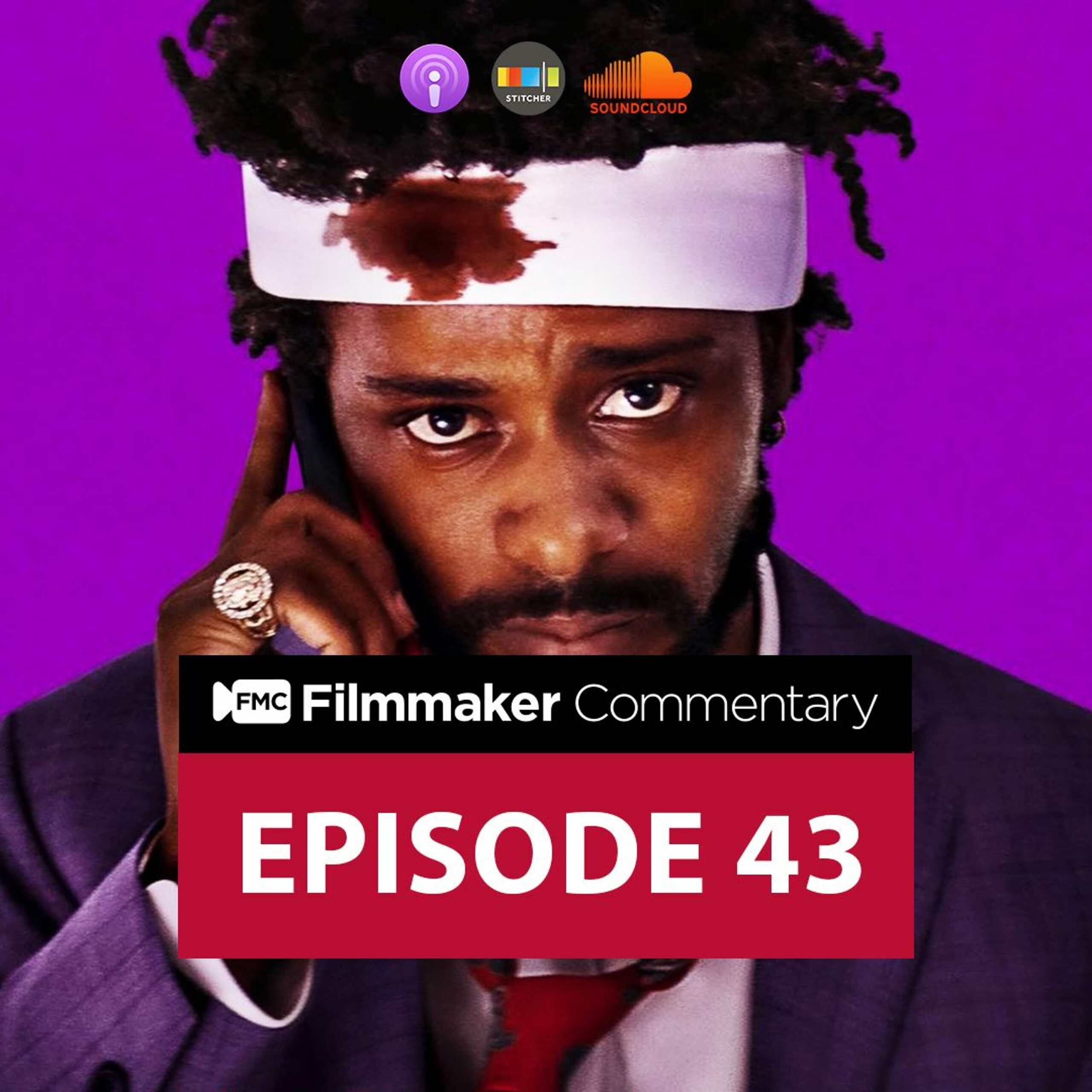
FMC 043: Sorry To Bother You Written and Directed by Boots Riley

January 3, 2019
Listen on Apple Spotify YouTube
Listen to this episode
Your browser does not support the audio element.
Also on Apple Spotify YouTube

Jump into a truly unique conversation with Reginald Titus Jr. and Casey G. Smith as they dissect Boots Riley’s groundbreaking film, Sorry to Bother You. This episode explores the artistic and philosophical depth of a movie that defied conventional filmmaking, offering invaluable insights for anyone looking to challenge the status quo in storytelling.

What We Cover

  • Boots Riley’s unique approach to filmmaking and his journey bringing this unconventional story to the screen.
  • The film’s exploration of existentialism through the character of Cassius Green, and the “existential crisis” the narrative deliberately provokes.
  • Why Sorry to Bother You resists easy genre categorization and the challenges this presented during its production and distribution.
  • Behind-the-scenes details, including the film’s origins as a graphic novel-style screenplay with a unique musical component, and Boots Riley’s experience at the Sundance Directors Workshop.
  • Practical filmmaking advice, from “stealing” visual techniques from other directors to the critical role of improvisation and strong collaboration with editors and script supervisors.
  • The powerful social commentary embedded in the film, particularly the tensions between art and commerce and subtle political statements.

Key Moments

  • 1:45 — Spoilers Ahead! The hosts issue a warning before diving deep into the film’s twists.
  • 2:07 — Casey G. Smith shares his first viewing experience, inspired by Boots Riley’s interview and his own background in telemarketing.
  • 3:09 — Rejinold Titus Jr. discusses his initial impressions, the film’s genre-bending nature, and how it sparks profound thought.
  • 4:20 — The hosts define and explore the central theme of existentialism within the movie’s narrative.
  • 5:50 — Discover Boots Riley’s creative journey, from concept to screenplay to finding a visual language for the film.
  • 2:13:50 — The crew discusses the significance of the “white voice” and the moral dilemmas faced by Cassius Green.

Gear & Films Mentioned

  • Sorry to Bother You (2018)
  • The Last Dragon
  • Tootsie
  • Hollywood Shuffle
  • The Five Heartbeats
  • I’m Gonna Get You Sucka
  • Boiler Room
  • Scott Pilgrim vs. the World
  • Black Panther
  • American Gangster
  • Pulp Fiction
  • The Treatment with Elvis Mitchell (podcast)

Listener Questions

  • How did Boots Riley manage to get such a genre-defying film made, and what can indie filmmakers learn from his perseverance?
  • What does the film teach us about navigating moral and ethical compromises in the pursuit of success, and how can we apply this to our own creative paths?
  • How important is it for a director to have a strong personal vision, even when faced with industry pressure to conform to established norms?

Join us on Filmmaker Commentary each week for more deep dives into your favorite filmmaker commentaries.


Full Transcript

Read the full transcript

Full Episode Transcript
This episode of Filmmaker Commentary Boots Riley's "Sorry To Bother You," exploring its unique genre, thematic depth, and the unconventional filmmaking choices that brought its satirical vision to life.

Opening Discussion & Film Synopsis
Reginald Titus Jr.: Filmmaker Commentary episode 43. Welcome to Filmmaker Commentary, where we give you insights from our favorite filmmaking commentaries. These commentaries can be heard on your DVD and Blu-rays of your favorite movies. We'll show you how you can use these commentaries and apply them to improve your video production and filmmaking techniques, all of this here on Filmmaker Commentary. I'm your host, Reginald Titus Jr.
Reginald Titus Jr.: Welcome to Filmmaker Commentary. My name is Reginald Titus Jr. I'm joined with Casey G. Smith.
Casey G. Smith: Casey G. Smith.
Reginald Titus Jr.: Welcome back, sir.
Casey G. Smith: Good to be back, sir.
Reginald Titus Jr.: So, today we are going to get into the movie *Sorry to Bother You*, written and directed by Boots Riley. It had a budget of 3.2 million, and at the box office, it made about 17.9 million worldwide. A majority of that was made in the US. Internationally, it was around $446,000. , a win, for sure.
Casey G. Smith: I think, uh, yes, indeed, especially for a first-time filmmaker with such an eccentric...
Reginald Titus Jr.: There you go.
Reginald Titus Jr.: Uh, let's dive into the synopsis. In an alternate reality of present-day Oakland, California, telemarketer Cassius Green finds himself in a macabre universe after he discovers a magical key that leads to material glory. As Green's career begins to take off, his friends and co-workers organize a protest against the corporation's oppression. Cassius soon falls under the spell of Steve Lift, a cocaine-snorting CEO who offers him a salary beyond his wildest dreams. Sorry to Bother You.
Casey G. Smith: And for those who are new to Filmmaker Commentary, we're sorry to bother you by letting you know that there will be spoilers. You've been forewarned.

First Impressions & Genre Blending
Reginald Titus Jr.: First impressions, how did you watch this film the first time, this time around, all that?
Casey G. Smith.: So, first time around, I actually watched it in the theaters a couple of months ago. And it was after I had heard an interview with Boots Riley, um, on, uh, with, with Elvis, um, on his show.
Reginald Titus Jr.: The Treatment.
Casey G. Smith.: The Treatment, there we go. I was like I can hear the theme in my head, "Jacket, don't break it." And I was like, what's the name of the show? "Jacket, don't break it." And just hearing his insight made me say, "Okay, you know what, let me see this in the theaters." Watched it in the theater, was, uh, was, you know, enjoying the performances and then kind of the big twist that comes, I was like, what the heck? Where did this come from? Whoa, out of left field, I mean, for real. And, um, but it was, it was fascinating because I knew it was trying to say something more and something, and something bigger, and I appreciated that. And coming from a, my very first job being in telemarketing, I was having an appreciation for things that deal with that culture and, and environment and the, the pressures there within. So, uh, I enjoyed the film. This time around, uh, since I'd watched it so recently, I just jumped right into the commentary this time around and was able to get enough of familiarity where, um, I was okay with that.
Reginald Titus Jr.: Mm-hm. How about you?
Reginald Titus Jr.: Didn't go to the theaters. I remember seeing the, the, uh, trailer probably about a year ago, I would say. And it stuck in my head when I saw it. I was like, "I'm going to watch this film." But I, you know, I didn't want to go out of my way, even though like the critics and people were saying it was good and things like that, from like a local level, wasn't too many people like, "Hey, you need to go watch this." You know, it wasn't like on there. It was more like, kind of like the artsy crowd going to the film festival kind of crowd that was really into it. And so I was like, "You know, I'll just wait." You know. So that's kind of how I felt. So this time around, I actually, but I enjoyed like the marketing, like the way the art, you know, the art direction of everything they did for this film, I was like, man, it was just solid all the way through. So yeah, so this time I just watched it and watched the commentary right after that at the house. First impressions, I was like, this is super deep. But I was inspired, like, I was inspired after watching the film. I was like, "You know what?" What, uh, Boots Riley, I was, I forgot what I was listening to. I was, I just started kind of going and listening to a lot of his interviews. But he said, "We don't have to, um, in regards to making movies, we don't have to do the colored version of films that already exist."
Casey G. Smith.: Yeah.
Reginald Titus Jr.: I was like, "Ooh," you know, 'cause that's kind of true, that's kind of like the twist, like, "Oh, it can be the same story we've already heard it for, just put a Black person in there and it's fresh and new."
Casey G. Smith.: Mm-hm.
Reginald Titus Jr.: So I was like, "Okay." Because when I saw this film, I felt like it was like kind of like a Wes Anderson film where it's, it's, it's in its own world, and it's okay to be in its own world. From a like straight entertainment standpoint, I was just like, "You know, it was like, nah, it's, you know, I'll give it a strong seven." But, um, from like, just from an inspiration standpoint, you know, it really had my mind going.
Casey G. Smith.: Well, you, when you, even when you look at, uh, the genre of the film, and I know Boots is, his, his, part of his goal was to not have it to be contained within the genre. Like, willing to break all kinds of rules, and you I, I'm looking on IMDB and it says, "Comedy Fantasy Sci-Fi." And I'm like, okay, yeah. Because it is touching on so many different genres. Right. And Boots mentioned that when he was in, uh, the Sundance, uh, Directors, uh, program that as he was talking with other professionals, and they were kind of going back and forth, they were kind of arguing on, on what genre his film should be under. He, for him, he took away that, oh, nobody knows what they're talking about. Everybody's trying to figure it out. Right. And just didn't worry about having those confines on his, on his film and was willing to experiment and fight for things when people said, "Oh, you should maybe cut this." Um, he kept certain things and, yeah, it, it is its own world.
Reginald Titus Jr.: Yeah, one of my initial thoughts was like, how does, how did this happen? You know? Because like, it doesn't have a, all right, this genre is this. To me it's, it kind of comes off as a dark comedy, but, um, not quite. You know, it's something's missing, or, I don't know, I can't even explain it. But, uh, but you can't really put it in a box like you were saying. It doesn't really fit in any other genre. That's probably why I was like, I was like, how did this happen? How do they let this movie get out that doesn't, doesn't fit into the boxes that Americans are used to?
Casey G. Smith.: Exactly.
Reginald Titus Jr.: Hats off to this guy for doing, for pulling it off because a lot of times, if you don't have like a definite genre, you know, you're everything in a row of how this thing is going to get made, like how do you convince people to give you millions of dollars to produce it?
Casey G. Smith.: I totally agree. And it's, it's one of those things where he was just, I don't know, uh, willing to get outside of the box and you get those films every now and then that come along where people just want to take a, a big risk and and and it pays off.
Reginald Titus Jr.: Yeah. And you know what? And he'd been, he's been with the film for a long time. So I was looking at, um, the background of Boots Riley, the writer/director. You know, he's part of a band slash rap group and been producing music for a while. He created the soundtrack, not even the soundtrack, just the title of the film a long time ago. How many years ago was that with the, um, *Sorry to Bother You* the, the original soundtrack. It was inspired by the screenplay, right? From how I understand it, it's a screenplay 'cause like if you see, if you, I, I started looking up the screenplay, the, the screenplay looks like a graphic novel, like the art, looks like a graphic novel. And so it's like it's been actually published and everything. So when you you you know that when you look at it, it's like, "Whoa!" And it was like published around like 2012, 2013, something like that. And in the, uh, screenplay when you open it up, it says, you know, "Listen to the soundtrack to the screenplay, free download." And so like you play the, play that in the background while you read the screenplay.
Casey G. Smith.: Huh.
Reginald Titus Jr.: And so from that, you know, eventually it got developed, you know, what was that? 2017, summer 2017. So he was able to stick with it. But I think going through that whole process of building up assets along with the, the intellectual property, you know, made it an easier sell, I guess.
Casey G. Smith.: Yeah, but also he mentioned being in the actual, along with those things, being in the actual school, Director's School, with Sundance, he was able to experiment with some of the scenes as well and figure out how he wanted to block them, figure out what kind of changes he needed to make, uh, but also thinking about the kind of actors he would want to portray these different characters. And, uh, I think LaKeith Stanfield is, I don't know if I can imagine somebody else like playing this role. Like he, he has, uh, you know, the right again, like vulnerability, his, his, his expressions and, and. And then his demeanor the whole time he's just like, like hunched over and, yeah. He is an eccentric person as well. Um, I've heard him in some interviews and I'm like, oh I, I, I've seen him in, in Atlanta, his character's very eccentric there, and so it's like...
Reginald Titus Jr.: He was kind of Florida Man.
Casey G. Smith.: Yeah. So he's always, yeah, just different. And so, I think, I think he enjoys those, those challenges, and just, but he's still, there's still this availability, uh, this vulnerability in, in all of his performances where there's a vulnerability and a likeability, uh, about him, which, uh, it's, yeah, it's a quality not everybody can pull off, but he's got it.
Reginald Titus Jr.: Got it. So yeah, man, he's, he stuck with this, uh, film for quite some time in order to get it produced. And of course, you got, you know, Macro behind it. Uh, you get them behind you, you're good to go.
Casey G. Smith.: You got Annapurna, I believe with that, the distribution.
Reginald Titus Jr.: The distribution. Yeah, they're the one who bought it.

Recent Film Watches
Reginald Titus Jr.: Before we dive into anything else, let's talk about movies watched this past week. So, what movies have you watched this past week? Me, I haven't watched anything, so, you know, inform me what you have been watching.
Casey G. Smith.: All right. So I've kind of been diving into some, some older flicks from the, uh, uh, the 80s. So one that I, I, I dove into yesterday, throw back y'all. Uh, I watched the movie *Tootsie* with, uh, Dustin Hoffman.
Reginald Titus Jr.: What made you like, like this is the movie I'm going to watch today?
Casey G. Smith.: You know, something I, I'd seen something or heard something recently where, where it was mentioned. I remember as a kid, you know, seeing it, you know, pop up on HBO or whatever, and it's been just so long. I was like, I, I feel like I need to revisit this film. Just to kind of, like truly see what it was about and why, why did Dustin Hoffman dress up as a woman? Because that's, that's the part I, I don't remember.
Reginald Titus Jr.: Yeah, when I saw that as a child, like seeing the image, I was like, that's an awkward-looking woman. But I never, you know.
Casey G. Smith.: Well, it's, it's funny 'cause when you watch, when, when you watch the film, it's a good film. It is, it is a good film, it is, it is well done, and the whole thing is that it's meta because Dustin Hoffman is an actor who's, who, who teaches a class, and he's living in New York, and he's, he's trying to find work, but he's so much of an actor that he at times getting to, he gets into arguments with the directors on, on the direction of a character and, and this and that. And so he's, he's found to be very difficult to work with. And so in order to find more work, he ends up, just to find work period, he ends up dressing up as, as a, as a woman and going into an audition, landing it, and gets a role on a, on a reoccurring soap opera. And, and, but he's being, uh, a strong, like this strong woman, pushing against the system. And at the same time he begins to kind of fall for one of his co-stars, who's a woman, you know, befriends her and all kind of stuff. But yeah, it's, it's, it's a good film and it, it, it's, it's funny to, it, it's, it's, it's funny in, in terms of watching him trying to figure out his life.
Reginald Titus Jr.: Does he pull off the woman? Is he a convincing-looking woman or does he look like?
Casey G. Smith.: He, he is, he's a, he's a convincing voice-wise, it's pretty impressive what he does with his voice. That, that part is very, very impressive, and it's like he's, he's a woman with a bit of a Southern accent, lady-like, but not the most attractive. And that's even a dress, that's even addressed, it's even addressed in, in, in, in the, uh, on the, on the show, they're like, don't, don't come too close, you know, like for the close-up for the shot, it's, it's pretty funny when those moments happen. But, um, *Tootsie*.
Reginald Titus Jr.: *Tut*.
Casey G. Smith.: *Tut*, *Tootsie*. So, it's, uh, it's a well-done film and, and, and it, it feels extra relevant. It, in totality, it feels extra relevant today with the things that, that he's addressing and, and that he encourages other women to address in terms of how women are treated. Uh, it's pretty, it's actually very relevant to today. So, uh, yeah.
Reginald Titus Jr.: Where did you stream this?
Casey G. Smith.: I streamed it on either Starz or Showtime. Uh, I don't remember which one. Starz or Showtime. But, yeah, if you guys haven't seen *Tootsie*, directed by, uh, Sydney Pollack, uh, I recommend, I recommend checking out. It has a lot of. Sydney Pollack, he was in, *Eyes Wide Shut*. Yes, yes, yes. Uh, but yeah, I recommend it, *Tootsie*. Uh, worth, worth either watching the first time or revisiting.
Reginald Titus Jr.: Oh, I thought I was going to say. He was in, in.
Casey G. Smith.: Secondly, today, I watched, uh, Robert Townsend's first feature film, *Hollywood Shuffle*.
Reginald Titus Jr.: A hilarious movie.
Casey G. Smith.: It is absolutely hilarious. And after watching it, seeing all the members of the cast, I'm like, "Wow, man." Robert Townsend, uh, is faithful to the people that he has worked with in the past. Because when I think of *The Five Heartbeats*, it was like 90% of the cast of *The Five Heartbeats* is, is in *Hollywood*, they were in *Hollywood Shuffle* first. I mean, no matter their ethnicity, like they, everybody, like everybody has a role. Yeah, yeah, I'm like, oh man, that's Bird from Bird and the Midnight Falcons. Okay, that's.
Reginald Titus Jr.: That's true. They had, they had parts, but maybe not the main parts, but they were like, you know, the supporting role.
Casey G. Smith.: Yeah. But boom, boom, people pop up here and there. I'm like,
Reginald Titus Jr.: "Good luck, brother."
Casey G. Smith.: "I would never take a role like that because of my morals, but you go ahead. Good luck to you." Oh man, yeah, this, this film, again, also feels very relevant to today. The messages that Robert Townsend is trying to convey are totally relevant today of the struggling Black actor trying to find roles that break out.
Reginald Titus Jr.: Are stereotypical and, exactly.
Casey G. Smith.: And, and, and going through that struggle in his mind and just the imagination that he has that takes them into all these small scenes. Uh, and the possibilities of productions that, that could be. And, uh, there's a lot of set pieces going on in here. And, and kudos to the, I, I never really realized how much of a, a writing partnership there was between Robert Townsend and Keenen Ivory Wayans. Um, this film, *The Five Heartbeats*, and *I'm Gonna Git You Sucka*, uh, as, as well. Uh, which I don't know if Townsend directed or not, I'll have to go back and, and look at that again. But, uh, from a writing standpoint, Keenen Ivory Wayans, I mean, yeah, he is, yeah, in, in quite a few things. And I'm trying to think, is, is he have any role at all in *The Five Heartbeats*? Did he show up at all in *The Five Heartbeats* at all?
Reginald Titus Jr.: I don't think so. No, I don't think so.
Casey G. Smith.: I don't think so. I don't, I don't, I haven't watched it enough where.
Reginald Titus Jr.: 'Cause I think around that time, he was, he was going to play, I think he was going to play Eddie Kane, and, uh, he was going to play one of the, one of the main characters, but *In Living Color* ended up jumping off. So he had to re-cast.
Casey G. Smith.: Really? Holy smokes. I can't wait to, I can't wait to watch the documentary.
Reginald Titus Jr.: And that's the only reason I know is because I've been looking at, uh, clips interviews of Robert Townsend. He has his film coming out, you know, the documentary of *The Five Heartbeats* and things like that. And it's going to be everywhere, I believe, in February.
Casey G. Smith.: Oh yeah. That's going to be a. I will own that.
Reginald Titus Jr.: So. Yes, indeed.
Casey G. Smith.: Yes. But *Hollywood Shuffle*, man, wonderful. Really, really well done, uh, poignant in its, in its message. Kudos to Robert Townsend, man. His acting chops, uh, underrated, because where he goes in this film, all these little small vignettes and, and the, the chameleon, I mean, he's a character actor and he can do whatever. The, you know, *The Black Acting School* bit.
Reginald Titus Jr.: True. Yeah. And that comes from the comedy, I believe.
Casey G. Smith.: Man, yes. Yes. Uh, I remember 'cause I remember him doing, I remember as a kid, watching him do stand-up, uh, him having his own, own show on Fox for a little while, *The Robert Townsend Show* was like a variety, kind of sketch show. Um, yeah, man, I'm, I'm, I, I would love to see him, um, like kind of come back in the spotlight. I, I would love to see like project, like films that he was doing now with all of his experience, uh, and him saying some of the things that he's saying back then that would still be, uh, pertinent now.
Reginald Titus Jr.: If you're listening, Townsend.
Casey G. Smith.: Yes. We need you.
Reginald Titus Jr.: But, uh, apparently they have some things in the works, television-wise. Um, you know, he's, he stays working as a director, television, but, um, some of their own original content. And I think it's maybe spinning out of *The Five Heartbeats* because people are asking like, "Whatever happened to everybody? What happened to so-and-so or this person?" And he couldn't find a way to make a *Five Heartbeats* part two. And the funny thing is, people thought that *The Five Heartbeats* was a real group. A lot of people thought that, I, I thought that for a little while, but because I, I was familiar with Robert Townsend, I was like, "Okay, maybe not."
Casey G. Smith.: I didn't see where people thought that. I didn't want to watch the end of the credits, clearly. They show an image of, I think, The Dells or something like that. They show like they're based off. Even though they take influence from The Temptations and other groups as well.
Reginald Titus Jr.: I don't think I even watched the end of the credits. Yeah. To the very, like the very end of the credits.
Casey G. Smith.: Yeah, there's like an actual image, like, you know, you know, loosely based on, you know, like The Dells or something like that. And it's like an image of, of like that actual singing group.
Reginald Titus Jr.: Yeah, I think we walked out on the credits.
Casey G. Smith.: I, I watched it at, you know, first time at, at home. And so, a lot of people did not know that there wasn't a real group. They thought that Robert Townsend was part of *The Five Heartbeats* and it was a real group. He said even when he was at the, uh, Robert Townsend, when he went to the funeral of, uh, I think it was David Ruffin, he said, "Man, we, we, the ushers are like, 'Man, they got these groups and stuff, we saved, we saved the row for *The Five Heartbeats*!'" Like, that's how deep it was. Like, people didn't know, people just didn't know. Wow, that's, that's, that's powerful. That's really, really powerful.
Reginald Titus Jr.: 'Cause I mean, I'm looking for, I was looking for the music. I was like, "This ain't, the soundtrack!" I'm like, has nothing to do with the music in the movie.
Casey G. Smith.: That's one of my biggest points of contention like in in media, is that soundtrack for *The Five Heartbeats* not having the, the original performances, Right, done by whoever, who singing those performances. Um, because that, that's great. I, I mean, hey, you know, hey, Patti LaBelle, love you. Uh, and other singers and performers, you're great. Yeah, that's, that's one of my. That's, that's one of my. Man. Yes, yes. It's Robert. Again, if you're listening, Mr. Townsend, if you could find those original tracks from those recordings and release that digitally, let us stream it, whatever. I will, I would pay, I would pay top dollar for the real soundtrack of *The Five Heartbeats*.
Reginald Titus Jr.: We were swindled. I was swindled.
Casey G. Smith.: Man.
Reginald Titus Jr.: I would pay top dollar. I wonder if that, that maybe that, that's probably got to be business-related because that film after they produce, wait, was that, no, I take that back. That was a studio film from the very, very beginning, *The Five Heartbeats*. Whereas *Hollywood Shuffle*, he financed it and then sold it to the Goldwyn Company.
Casey G. Smith.: Films.

"Sorry To Bother You" Themes & Filmmaking Insights
Reginald Titus Jr.: All right. Now let's jump back into the show. All right, so we're back talking about *Sorry to Bother You*, written and directed by Boots Riley. So, let's get into some themes of the show. So, here's a word that I've been working on. Existentialism. Did I say that right?
Casey G. Smith.: Existentialism.
Reginald Titus Jr.: Existentialism. Okay, so that's a theme. But, uh, do you want to explain existentialism?
Casey G. Smith.: Existentialism is, is an individual looking at how they, how they live, how they exist in time and space, and, um, realizing that they are free and that they are responsible for the decisions that they make. Um, within this film, Boots Riley said that he wanted to have people of color, um, thinking about their existential existence, but also to have a bit of an existential crisis. And so when you look at, uh, Cassius Green's character, existentialism, sometimes you look at and think about, where do I fit within, within this, this world? Does my life have, have meaning? Does my existence have meaning? Right, so all about your existence. Does my existence have, have meaning? And so, Cassius, at the beginning of the film, he's kind of, kind of wondering about that. Like, ultimately, is there value in how much he can earn, how much he can make? Or is it, is it in standing up for, for something more than that, you know, social causes, is it, is it, is it standing up for art like his girlfriend Detroit? But once he starts getting into, you know, using his, his, his white voice and unlocking the power behind that and making that money, all of a sudden everything just changes. And now all of a sudden, you have these new opportunities that come about. And now he does begin to have an existential crisis. Do I side with my peers on the lower level, literally the lower level of the company, and, and, and strike against, against this organization? Or now that I'm on the, the second floor, now that I'm a power caller, and now that I've even been called up by the, the, the boss, by Armie Hammer's character, Steve Lift, by Mr. Lift, now do I literally go through a transformation that would abandon not only my morals, but also my actual physical state of being and find value in, in being a, like, like Lift called it a, an Aquasapien.
Reginald Titus Jr.: Equa, Equasapiens. Yeah.
Casey G. Smith.: Equasapiens. So you talk about like trying to figure out your, your, your reason for existing. Is it for the money or is it for another kind of cause or is it a, a twisted version of a potentially higher cause which could radically change you physically and all kinds of ways.
Reginald Titus Jr.: For the word existentialism, I was writing like searching for life meaning, wanting to feel important, but that all kind of falls into that word.
Casey G. Smith.: It does.
Reginald Titus Jr.: And so I was like, okay, that's the perfect word. What are some of your favorite scenes? Any favorite scenes at all?
Casey G. Smith.: Ooh. Um, well, I, just because you guys know, I love *The Last Dragon*. So the fact that the Detroit's character has a whole exhibit and is reenacting a scene and, and quotes from *The Last Dragon* and mentions Eddie Arkadian by name. Uh, when I was in the theater and saw that, I was like, *Last Dragon*, *Last Dragon*, *Last Dragon*! I was, I was, I was, I was very giddy over that.
Reginald Titus Jr.: It's officially a classic movie.
Casey G. Smith.: Yes. Naked and Tropical. Um, but, but then, you know, them throwing the stuff out of that, that got really uncomfortable really quick. I was like, "Ugh." This is, this is gross. Yeah. Like the lamb's blood or something like that. Whatever it was, I'm like, this is no longer enjoyable. Yeah, this is, uh, the, the ridiculousness of getting on the elevator and like the code you have to type in. I'm like, this is, this is just ridiculous. The discovery, the fact that it doesn't have like a happy ending. Like, I'm always intrigued. Sometimes kind of like when films don't have happy endings. Uh, the fact that you think that, okay, man, this guy, he's, he's, you know, he's turned things around, called these people out, and went through hell to get there, had to get beat up and, and go into a crap, literally a, a, a tube of crap. Um, but he's now he's on talk shows, he's getting the word out. He's doing his thing. And now he's got, you know, he gave, he's being very altruistic, gives his, his ride up to his best friend and moves back into his garage apartment, but still has his nice things from his other apartment. And as he's closing the door, like bumps his face or his nose on the door. And I'm like, what's going on here? And then when he lifts his hands, and all of a sudden it's like his nose is changing. I'm like, no. And of course, you know, then they go after Mr. Lift. But Boots Riley mentioned something very interesting. He said that, that, that, that when Lift goes to kind of answer the door at the end, he's, he has a limp.
Reginald Titus Jr.: I didn't notice that.
Casey G. Smith.: He said there's a reason why he's limping. I'm like,
Reginald Titus Jr.: I was like, yeah, he seemed like a sadomasochist.
Casey G. Smith.: Yeah, I'm like, what are you?
Reginald Titus Jr.: I mean, look at all the, like the stuff that he has access to, all the money, all the sex. He's like, "I'm gonna try a little bit of everything."
Casey G. Smith.: Yeah. I think he might have one of them.
Reginald Titus Jr.: Yeah. So he's like, that's his character.
Casey G. Smith.: Yeah. Those are a couple of my favorite scenes. How about you?
Reginald Titus Jr.: I like, I don't know, I don't know why I like the little high-five montage. But it's, uh, it might be more like from personal experience because like we were talking about telemarketing and stuff like that. There's something about closing somebody. Yep. And, and like feeling excited about that, and somebody celebrating that with you. This, you know, so they, I was like, I can relate to that, the little, the little high-five montage. And then another film reminds me of a movie called *Boiler Room*. It's like, uh, Vin Diesel, and, uh,
Casey G. Smith.: Matthew McConaughey.
Reginald Titus Jr.: Matthew McConaughey. Wait, no, that's, uh, that's the one where, uh, Ben Affleck.
Casey G. Smith.: Is that, is that where he comes in and gives the, it's like a, it's like the contemporary Wall Street.
Reginald Titus Jr.: Yeah. And, um, that one, you know, them celebrating and talking noise or clipping the tie when you, you know, close a deal or whatever. That
Casey G. Smith.: We used to, uh, my, when I telemarketed, we used to have little bells we'd ring. Ding ding ding ding ding ding ding. You could ring the bell when you, when you got, when you closed them.
Reginald Titus Jr.: So yeah, so that, yeah. It's not, nothing brilliant about that scene. It's just a montage of high-fives, but I can relate to the experience. That's why I like it. Um, what about some quotables, man? You got any quotable lines from the film?
Casey G. Smith.: Uh, I, I like the line when, when Cassius finds out that, you know, Steve's making the, the proposal to him to literally become an Aquasapien.
Reginald Titus Jr.: Ridiculous.
Casey G. Smith.: Become an Aquasapien and to be, basically to be an overseer. Yeah. Is what he's asking him to be. Uh, to slaves. To be an overseer and watch over them and to, you know, to, to keep the company's, uh, again, I like, he, he almost said interests but instead he says needs. Look after the company's needs. Uh, you know, it's only a, it's a five-year contract, $100 million. And afterwards, we'll give you the, we'll give you the, the whatever, whatever, something sauce. Remember, it's this cure. They called it a sauce. I'm like, man, you, you, you made that up. You know, it sounds like a totally made up name, but just the, the ridiculousness of it. Yeah, like it just, it just cracks me like, man, you know there is no cure for this. They, they're not gonna genetically change you back once they've, once they've got you. You know? You're gonna, you're gonna be labor for them. Yeah, even after the fact, what, what can, they're gonna hold, they can hold, they hold that over your head. That line trips me out. Uh, again, you know, Tessa doing her quotes from *The Last Dragon*. When, when he's first doing the white voice also, and he's kind of like closing like that first guy and he's like, "Yeah, I gotta go leave to, to go to my, uh," uh, what's he call? Some kind of, some kind of sporting thing. "My, I gotta, I gotta make it to my," whatever. "Squash." Squash, something.
Reginald Titus Jr.: You made that up. Yeah, called it sauce. Yeah, he calls it sauce. Was it squash? I think it was squash.
Casey G. Smith.: Was it squash?
Reginald Titus Jr.: Was it squash? Yeah. "I gotta, I gotta make it to my squash game." I was like, man, you're feeling yourself, yeah. How about you?
Reginald Titus Jr.: Uh, quotables. When Danny Glover, Danny Glover is a treat in this film, just like, just raw Danny Glover. Yeah. And they were all at the bar and, uh, Cassius, he was just like, "Do people actually watch this TV?" Like, it was a TV show of people getting beat up.
Casey G. Smith.: Oh, man.
Reginald Titus Jr.: And I think the name of the TV show was like *Beat the Hell Out of Me* or something like that. *Beat the Ass Out of Me*? Yeah, there you go. Or *Kick the Ass Out of Me* or something like that. And then he said, "People, I can't believe like TV has come to this." So it was like a satire about, honestly, what people watch today, reality television. Oh, yeah. Um, and, um, he was like, "I can't believe people actually watch this crap." And then Donald Glover, uh, Danny Glover was like, "I personally love to see a person get beat down and humiliated. Makes me feel warm inside." Then he pulls a, he's like, he shows him the T-shirt.
Casey G. Smith.: Nice.
Reginald Titus Jr.: I was like, oh man, I don't know why that was funny to me. But, uh,
Casey G. Smith.: No, it's also funny when he says, um, I didn't realize at the time until the commentary, it says, "I'm getting too old for this." You know? And Boots Riley didn't realize it when he had written the script, but that's, you know, Danny Glover's known for that line from *Lethal Weapon*.
Reginald Titus Jr.: It's like, "Ah."
Casey G. Smith.: Yeah. He, he didn't realize it at the time when he wrote the character, even though he had Danny, uh, uh, in mind for it.
Reginald Titus Jr.: That's true, he did say that, because he was always trying to retire. Yeah. Um, and then there was another line when they're all celebrating, uh, Cassius going up to the next floor and he's closing these million-dollar accounts and he's like, "Something for the homies and something for me!" Yeah.
Casey G. Smith.: Oh, yeah. That was, that was, that was funny, man.
Reginald Titus Jr.: That was a good one.
Casey G. Smith.: That was a good one.

Filmmaker Tips and Production Details
Reginald Titus Jr.: Tips for filmmakers. Um, one of the tips that, uh, Boots Riley said is, "Steal from other people." You know, there's a shot where, uh, he calls it the Edgar Wright shot. Cassius Green is looking at us in the screen, it's like a close-up shot. And then, um, uh, his friend next to him says, "Hey, nice earrings." And then he turns around like behind to look around, and then, uh, Tessa, who's playing Detroit, she scoots back and appears into the frame. But she was there the whole time, but, um, Cassius Green was covering her up. And that's he called it his Edgar Wright shot. And I was like, that's some good blocking though 'cause you couldn't see her at all.
Casey G. Smith.: Yeah, that's true.
Reginald Titus Jr.: So, stealing from others. So if you see a shot you like, jacket.
Casey G. Smith.: Yeah. As long as you make a good picture. That's, that's what, uh, what counts.
Reginald Titus Jr.: You know, one of the things that, uh, that Boots also mentioned is how often he, he stays on, on LaKeith Stanfield's face because of his expressions. And he also kind of touched on some of this, uh, last time, which sometimes it, it makes more sense to to stay on the actor's face, the, the, the expressions of watching somebody listen. And he mentioned with LaKeith, he's a character that, he's an actor that you could literally, while he's watching TV, you could stay on his face and just watch his reactions to what he's looking at or listening to, because there's a vulnerability, when taking there's a vulnerability that he is able to to show, um, in his expressions.
Reginald Titus Jr.: Cool transitions. So there's cool ways that you can transition, and one of the transition is, so there's a close-up of Cassius Green, and he's looking at us and then he looks to the right, but we don't see who he's looking at. And then he was like, "So you're really just going to stuff your face with all them fries?" And he says this, and while he says this, he, we cut to his friend reacting to what he just said, but we're in a different location while he's reacting. And so, it's a cool little transition.
Casey G. Smith.: They may actually adapted that scene to to fit in to make that transition 'cause originally it was kind of separated in a different kind of way. But after Cassius said the lines, you know what, let's, let's, let's, let's shoot this scene in a way where we can make that transition happen to make more sense. Which was, which was pretty cool. He also mentioned like the pacing is supposed to be kind of like a comic book, uh, to a degree. Mm-hm. He said he mentioned that in the, in the commentary.
Reginald Titus Jr.: Really?
Reginald Titus Jr.: And, and those cuts do remind me straight up of Edgar Wright. You remember when we went over *Scott Pilgrim*, like, man, those transitions was all throughout that joint. Oh yeah. Another transition I enjoyed was the change when, um, Cassius is making out with Detroit. And while they're making out, like you see, you literally see his life change before your eyes. Like his lamp sprouts a new lamp, his TV sprouts a new television, the, the, uh, the bed sheets are changing while they're making out.
Casey G. Smith.: And it expands.
Reginald Titus Jr.: Yeah, I was like, that's dope. Yeah. How long did they have to kiss to keep that going?
Casey G. Smith.: For real. They, it reminds you, I mean, things we've seen in different kinds of commercials, we've seen, you know, cars expand and changing other vehicles, but to see that to reflect this character's life changing, the state, status, the change of his status is pretty cool. Um, and with that also, um, the number of locations, he said they shot in 61 locations in 28 days.
Reginald Titus Jr.: Yikes.
Casey G. Smith.: And that's with leaving out a lot of stuff that was originally in the script that they cut out, um, like a number of locations. They would have been even more. That's also impressive for, you know, the first-time director to to bang out that, that much. True. And to have an animation studio make, you know, short little animated piece, you know, about the Aquasapiens.
Reginald Titus Jr.: I forget that, that's right. That's right.
Casey G. Smith.: Yeah, that's a, that's a, that's a lot going on.
Reginald Titus Jr.: Yeah. He also said though like, a lot of locations are like in the two-mile radius. So, you know, that helped just having everybody kind of pitch in. Friend's apartment, friend's garage, friend's art gallery.
Casey G. Smith.: Yeah. And having a lot, a lot of friends and family who, you know, showed up as extras for the, the riot parts and even for the art gallery portion. So, um, you know, starting off, shooting in your area and using people that you know, um, and having, I mean, there's so many members of his production team that are just randomly pop up when, when Detroit first goes to kind of tag, uh, one of the Worry-Free, um, billboards or banners, advertisements. She starts, you know, putting the, the first letter and then people are like, "Hey, what are you doing?" And like, but those were like two, I think two of the producers. Oh yeah. And they were dressed up and they were coming after her. And then, um, one of the guys who's seen as one of the legendary, uh, power callers at the, at that company was like their, I don't know, I don't, I forget the guy's role if he was, I don't know if he was the sound guy or, ah, man, I forgot what, what, what role he played, but he, he was a, had pictures taken of him and was there on the wall. He was the, uh, production manager. They got him to to do that. But yeah, multiple people in the production were, were used and reused and reused. So.
Reginald Titus Jr.: And he mentioned that the score is the music that the characters cannot hear, and I guess the soundtrack is the music that's in that world. So like maybe the soundtrack is the music coming from the radio or, uh, music in the club. That's the soundtrack. Yeah.
Casey G. Smith.: In this world.
Reginald Titus Jr.: Yeah, in this world that's, you know, that's how he explained it. And I'm always, I was always curious like why they were always, why there's a score and a soundtrack and why they just can't exist together in one compilation. Um, one of the, the major ones that recently came out was the Black Panther, you know, you have, you know, Kendrick Lamar and that whole soundtrack. But then you have the actual score, which are like you were saying, the themes of the different characters in the movie. Which after looking at both, I can see why they exist in their own separate.
Casey G. Smith.: I think often with, with the score, the score's often composed and put together by one individual working with, you know, an ensemble of, of musicians, whereas the, the soundtrack will be various artists, uh, probably collaborating individually. Sometimes it's, it, sometimes it's all one artist, like, you know, like Prince on the '89 Batman soundtrack. It was all him. But usually it's a bunch of just separate artists and they're making their cuts to, who knows if they've even seen any of the, of the film. Whereas the, the score is scored to the film. It is scored to specific scenes whereas music from the soundtrack is just going to be put in where they, where they feel they need to go.
Reginald Titus Jr.: We can be like inspired by the movie.
Casey G. Smith.: Exactly. It's being put in where they, they feel they need to go.
Reginald Titus Jr.: American Gangster, for example.
Casey G. Smith.: Yes, sir.
Reginald Titus Jr.: Um, uh, Siri, can I get this money?
Casey G. Smith.: Yes. Right away.
Reginald Titus Jr.: Cool.
Reginald Titus Jr.: So, another, just give me my cut.
Casey G. Smith.: Just give me my cut.
Reginald Titus Jr.: You get it all, Siri.

Final Thoughts & Outro
Reginald Titus Jr.: Another tip is get out, get outside help when you can. You know, um, Boots Riley went to the Sundance workshop and got help for his writing direction, um, of the screenplay. And it, uh, what Boots said it made him realize when he was in the writing workshop that, um, there was a lot of things that were just happening to Cash. And so he changed the script and gave Cash more agency. It would have been a totally different film. Like, there were so many ways that Boots Riley could have went with this film because everybody was telling him what he should do with it, because the film doesn't fit into a box, so it was like, "You're, we're going to put you in this box."
Casey G. Smith.: Having the wherewithal to, to resist that. Again, it's, it's impressive to have, to be so solid in your vision to say, "Nope, nope, it's not this, it's not that." It's, it's its own thing. Uh, with, within that also, thinking about the agency that he gave to, to Cassius's character, um, there's also a lot of, uh, improv. And there are multiple scenes, um, like with the high-five montage, uh, where they, they let the actors improv. And a lot of times he wouldn't, he wouldn't yell cut. Like when they even the scene when they're promoting Cassius to become that power caller and they're in the office like, they were just kind of, he's let them go and, and let them do their thing and, and they gave him just more coverage and, and things that they could do. He also talks about in the commentary the importance of the script supervisor. He said, you know, especially as a first-time director, having that script supervisor to be there to say, "Yeah, you're gonna, you're gonna want to get some extra coverage for, for this." And then you realize once you get into that editing room that, oh yeah, well thank goodness, you know, we've got, we've got extra coverage or enough coverage for, you know, this given scene because either this didn't work or, or whatever, or the shots out of focus, whatever it might be. And so, it's happy to have that. And speaking of the editor. So he gave a shout out to his editor and said that, uh, he spent time with the editor Terrell Gibson. He said he spent four days a week, for 10 hours a day, 10 hours a day for four days a week for 10 weeks with the editor. Yikes. Yeah. And the editor still would, would come in on an extra day without him there so he could work on stuff.
Reginald Titus Jr.: Because he was working on the soundtrack on the weekends. Man. Which he actually, uh, said he would do a soundtrack, like a newer soundtrack to help sell the film. He said, "I'll also do the soundtrack," like, throwing that in there. Then you forget like, "Dang, I actually got a, I actually got to produce this soundtrack." Yeah. So, uh, I think it's important, you know, with, with your editor that you, that you like hanging out with him, because you're probably going to spend some good quality time. 10 hours a day for four days a week for how long? For 10 weeks. Hey, man. Hey. You gotta do what you gotta do.
Casey G. Smith.: 400 hours, no?
Reginald Titus Jr.: I can relate being by myself for a year.
Casey G. Smith.: When I was young, I never needed anyone. And editing was just for fun. Those days are gone.
Reginald Titus Jr.: Armie, there's a shot when Armie, he's sniffing coke up his nose, and Boots says that he had to sign a waiver to do that.
Casey G. Smith.: I heard that. I was like, what was he sniffing?
Reginald Titus Jr.: And he was, and Boots was like, "He a fool for that." Like, the way he said, "I was like, what was he sniffing?" You know?
Casey G. Smith.: Man, how many things could you just, snort up the old nose?
Reginald Titus Jr.: I'm just, I don't know. He didn't go into detail about the waiver. I don't know if it was a waiver because of the image or it's because you're act for health reasons.
Casey G. Smith.: I have never heard a director say somebody had to sign a waiver for a scene of, of, of snorting some fake substance. But it makes you wonder because you see a lot, a lot of kind of movies where people are like snorting stuff. And it makes me wonder sometimes, what are they snorting? Because there's only so many things.
Reginald Titus Jr.: I just assume it was a trick. You know, I just assume like the little cylinder had, you know, some kind of vacuum coming in or like it's a trick, it's a special effect. But I guess not. These people are just like, why, I'm snorting something early this morning. So I, I, you know, when I'm, I think when I'm beginning to discover, in my, in my older age, is there's like, drugs like cocaine are, I think, used far more than people care to admit. Right. I think there's a lot more cocaine users out there than people care to admit. Right. Maybe I'm just watching a lot of TV and stuff like that. But I'm like, there's a lot of cocaine out there. It's like, no.
Casey G. Smith.: There's a lot of coke out there.
Reginald Titus Jr.: You've been watching too much TV.
Casey G. Smith.: There's a lot of coke out there.
Reginald Titus Jr.: Probably not though, but I think it's just one of those, it's one of those drugs when you got money, it's an upper so. Yeah.
Casey G. Smith.: This is what we're going to do.
Reginald Titus Jr.: I don't think you necessarily have to have, I don't, I, I don't, I've never used it, never priced it. I don't know what the market is for it.
Casey G. Smith.: I don't know.
Reginald Titus Jr.: But, uh,
Casey G. Smith.: But, uh, I've come across some people and found out that they, I'm like, you doing coke? What? Who are you?
Reginald Titus Jr.: Casey running them streets.
Casey G. Smith.: I ain't running nothing. I'm just saying.
Reginald Titus Jr.: Of course, you know, get a little bump here and there.
Casey G. Smith.: I get, hey guys, I just need a bump. I got a, I got a final coming up. I just need to be ready.
Reginald Titus Jr.: Sorry to bother you. But, uh,
Casey G. Smith.: Do you have, uh.
Reginald Titus Jr.: I'm like, I don't know. I just thought I would ask. What is, I, it's fascinating.
Casey G. Smith.: What is, I, it's fascinating.
Reginald Titus Jr.: I'm trying to stay out of jail.
Casey G. Smith.: Just like I found out in college, you know, there were all kinds of people smoked weed. I had a, I had a, I had a perception that, I thought, people who smoked weed what that was like, but I got to college, and I was like, oh no, they're everywhere. All kinds, from all backgrounds and cultures. Again, not my thing. Yeah. No judgment here. But it was, it was quite eye-opening. I was like, it's the straight-A student, to the international student, to to the jock, to, you know, from urban environments, didn't matter. Weed united them all. And I was like, all right guys, it's my time to go. But, uh, you know, weed united them all. It tripped me out, man. It really tripped me out. I was like, wow. This is, it's fascinating. Yeah. Together they're breaking the law. Yes. And that's, and that's it. I was like, huh. It really, it really tripped me out, man. So, like, wow.
Reginald Titus Jr.: It's funny to see like how like, you know, like marijuana or whatever and all that, it's not even a big deal anymore and it's, it's basically like having a cigarette now, you know, it's, it's a way to mellow out, chill and how we, you know, uh, criminalized, you know, something like that, and people's lives are thrown away from a freaking plant where it's now it's, oh, we're just, you know, it's, it's cool, it's all right. It's just a, especially like in Colorado and stuff like that. It's just a way of life, it's no, it's like, they're so used to it that it's not even a big deal. So when you go there, it's like, oh, okay. Yeah. I mean, all the different forms now, the variants that when I went to Colorado two years ago and just seeing all the dispensaries just on the street in downtown Colorado, you know, just boop, boop, boop, boop, boop, just right, you know?
Casey G. Smith.: Together they're breaking the law.
Reginald Titus Jr.: That, that changes your brain. Just like, man, it's not a big deal.
Casey G. Smith.: Well, once it's legalized then, yeah, it, it isn't. I mean, it's like, hey, this is being taxed, this is the government's given the, given the green light. Have, have at thee. Show your card and have at thee. You're, you're, your choice.
Reginald Titus Jr.: Yeah.
Casey G. Smith.: And so, um, but yeah, that's just really, that's just fascinating to see. But I think, I think with coke, cocaine. I think there's a lot more folk, I think there's a lot more folk access and stuff than we realize. And but it but but, you know, they're not just going around just talking about it. You know, weed is different, you know, people sing and rap about weed. People, you know, you people there are some songs about cocaine.
Reginald Titus Jr.: Three 6 Mafia. About what? As far as what? Yeah. Cocaine.
Casey G. Smith.: Oh, yeah. Yeah, I mean Eric Clapton back in the day.
Reginald Titus Jr.: Yeah. That was the first, that was the first rapper that I heard just blankly, like, just talk about cocaine and sniffing it. I was like, that's not cool. Like, we know, hey guys, that's not cool. That's not cool. That's not cool. You want to do a little, you want to do a little weed or, I can understand how that's cool. We know it. I get, hey guys, I just need a bump. I got a, I got a final coming up. I just need to be ready. Sorry to bother you. But, uh, do you have, uh, I'm like, I don't know. I just thought I would ask. What is, I, it's fascinating.
Casey G. Smith.: Yeah.
Reginald Titus Jr.: I'm trying to stay out of jail.
Casey G. Smith.: Just like I found out in college, you know, there were all kinds of people smoked weed. I had a, I had a, I had a perception that, I thought, people who smoked weed what that was like, but I got to college, and I was like, oh no, they're everywhere. All kinds, from all backgrounds and cultures. Again, not my thing. Yeah. No judgment here. But it was, it was quite eye-opening. I was like, it's the straight-A student, to the international student, to to the jock, to, you know, from urban environments, didn't matter. Weed united them all. And I was like, all right guys, it's my time to go. But, uh, you know, weed united them all. It tripped me out, man. It really tripped me out. I was like, wow. This is, it's fascinating. Yeah. Together they're breaking the law. Yes. And that's, and that's it. I was like, huh. It really, it really tripped me out, man. So, like, wow.
Reginald Titus Jr.: It's fun to see like how like, you know, like marijuana or whatever and all that, it's not even a big deal anymore and it's, it's basically like having a cigarette now, you know, it's, it's a way to mellow out, chill and how we, you know, uh, criminalized, you know, something like that, and people's lives are thrown away from a freaking plant where it's now it's, oh, we're just, you know, it's, it's cool, it's all right. It's just a, especially like in Colorado and stuff like that. It's just a way of life, it's no, it's like, they're so used to it that it's not even a big deal. So when you go there, it's like, oh, okay. Yeah. I mean, all the different forms now, the variants that when I went to Colorado two years ago and just seeing all the dispensaries just on the street in downtown Colorado, you know, just boop, boop, boop, boop, boop, just right, you know?
Casey G. Smith.: Together they're breaking the law.
Reginald Titus Jr.: That, that changes your brain. Just like, man, it's not a big deal.
Casey G. Smith.: Well, once it's legalized then, yeah, it, it isn't. I mean, it's like, hey, this is being taxed, this is the government's given the, given the green light. Have, have at thee. Show your card and have at thee. You're, you're, your choice.
Reginald Titus Jr.: Yeah.
Casey G. Smith.: And so, um, but yeah, that's just really, that's just fascinating to see. But I think, I think with coke, cocaine. I think there's a lot more folk, I think there's a lot more folk access and stuff than we realize. And but it but but, you know, they're not just going around just talking about it. You know, weed is different, you know, people sing and rap about weed. People, you know, you people there are some songs about cocaine.
Reginald Titus Jr.: Three 6 Mafia. About what? As far as what? Yeah. Cocaine.
Casey G. Smith.: Oh, yeah. Yeah, I mean Eric Clapton back in the day.
Reginald Titus Jr.: Yeah. That was the first, that was the first rapper that I heard just blankly, like, just talk about cocaine and sniffing it. I was like, that's not cool. Like, we know, hey guys, that's not cool. That's not cool. That's not cool. You want to do a little, you want to do a little weed or, I can understand how that's cool. We know it. I get, hey guys, I just need a bump. I got a, I got a final coming up. I just need to be ready. Sorry to bother you. But, uh, do you have, uh, I'm like, I don't know. I just thought I would ask. What is, I, it's fascinating.
Casey G. Smith.: Yeah.
Reginald Titus Jr.: I'm trying to stay out of jail.
Casey G. Smith.: Just like I found out in college, you know, there were all kinds of people smoked weed. I had a, I had a, I had a perception that, I thought, people who smoked weed what that was like, but I got to college, and I was like, oh no, they're everywhere. All kinds, from all backgrounds and cultures. Again, not my thing. Yeah. No judgment here. But it was, it was quite eye-opening. I was like, it's the straight-A student, to the international student, to to the jock, to, you know, from urban environments, didn't matter. Weed united them all. And I was like, all right guys, it's my time to go. But, uh, you know, weed united them all. It tripped me out, man. It really tripped me out. I was like, wow. This is, it's fascinating. Yeah. Together they're breaking the law. Yes. And that's, and that's it. I was like, huh. It really, it really tripped me out, man. So, like, wow.
Reginald Titus Jr.: It's fun to see like how like, you know, like marijuana or whatever and all that, it's not even a big deal anymore and it's, it's basically like having a cigarette now, you know, it's, it's a way to mellow out, chill and how we, you know, uh, criminalized, you know, something like that, and people's lives are thrown away from a freaking plant where it's now it's, oh, we're just, you know, it's, it's cool, it's all right. It's just a, especially like in Colorado and stuff like that. It's just a way of life, it's no, it's like, they're so used to it that it's not even a big deal. So when you go there, it's like, oh, okay. Yeah. I mean, all the different forms now, the variants that when I went to Colorado two years ago and just seeing all the dispensaries just on the street in downtown Colorado, you know, just boop, boop, boop, boop, boop, just right, you know?
Casey G. Smith.: Together they're breaking the law.
Reginald Titus Jr.: That, that changes your brain. Just like, man, it's not a big deal.
Casey G. Smith.: Well, once it's legalized then, yeah, it, it isn't. I mean, it's like, hey, this is being taxed, this is the government's given the, given the green light. Have, have at thee. Show your card and have at thee. You're, you're, your choice.
Reginald Titus Jr.: Yeah.
Casey G. Smith.: And so, um, but yeah, that's just really, that's just fascinating to see. But I think, I think with coke, cocaine. I think there's a lot more folk, I think there's a lot more folk access and stuff than we realize. And but it but but, you know, they're not just going around just talking about it. You know, weed is different, you know, people sing and rap about weed. People, you know, you people there are some songs about cocaine.
Reginald Titus Jr.: Three 6 Mafia. About what? As far as what? Yeah. Cocaine.
Casey G. Smith.: Oh, yeah. Yeah, I mean Eric Clapton back in the day.
Reginald Titus Jr.: Yeah. That was the first, that was the first rapper that I heard just blankly, like, just talk about cocaine and sniffing it. I was like, that's not cool. Like, we know, hey guys, that's not cool. That's not cool. That's not cool. You want to do a little, you want to do a little weed or, I can understand how that's cool. We know it. I get, hey guys, I just need a bump. I got a, I got a final coming up. I just need to be ready. Sorry to bother you. But, uh, do you have, uh, I'm like, I don't know. I just thought I would ask. What is, I, it's fascinating.
Casey G. Smith.: Yeah.
Reginald Titus Jr.: I'm trying to stay out of jail.
Casey G. Smith.: Just like I found out in college, you know, there were all kinds of people smoked weed. I had a, I had a, I had a perception that, I thought, people who smoked weed what that was like, but I got to college, and I was like, oh no, they're everywhere. All kinds, from all backgrounds and cultures. Again, not my thing. Yeah. No judgment here. But it was, it was quite eye-opening. I was like, it's the straight-A student, to the international student, to to the jock, to, you know, from urban environments, didn't matter. Weed united them all. And I was like, all right guys, it's my time to go. But, uh, you know, weed united them all. It tripped me out, man. It really tripped me out. I was like, wow. This is, it's fascinating. Yeah. Together they're breaking the law. Yes. And that's, and that's it. I was like, huh. It really, it really tripped me out, man. So, like, wow.
Reginald Titus Jr.: It's fun to see like how like, you know, like marijuana or whatever and all that, it's not even a big deal anymore and it's, it's basically like having a cigarette now, you know, it's, it's a way to mellow out, chill and how we, you know, uh, criminalized, you know, something like that, and people's lives are thrown away from a freaking plant where it's now it's, oh, we're just, you know, it's, it's cool, it's all right. It's just a, especially like in Colorado and stuff like that. It's just a way of life, it's no, it's like, they're so used to it that it's not even a big deal. So when you go there, it's like, oh, okay. Yeah. I mean, all the different forms now, the variants that when I went to Colorado two years ago and just seeing all the dispensaries just on the street in downtown Colorado, you know, just boop, boop, boop, boop, boop, just right, you know?
Casey G. Smith.: Together they're breaking the law.
Reginald Titus Jr.: That, that changes your brain. Just like, man, it's not a big deal.
Casey G. Smith.: Well, once it's legalized then, yeah, it, it isn't. I mean, it's like, hey, this is being taxed, this is the government's given the, given the green light. Have, have at thee. Show your card and have at thee. You're, you're, your choice.
Reginald Titus Jr.: Yeah.
Casey G. Smith.: And so, um, but yeah, that's just really, that's just fascinating to see. But I think, I think with coke, cocaine. I think there's a lot more folk, I think there's a lot more folk access and stuff than we realize. And but it but but, you know, they're not just going around just talking about it. You know, weed is different, you know, people sing and rap about weed. People, you know, you people there are some songs about cocaine.
Reginald Titus Jr.: Three 6 Mafia. About what? As far as what? Yeah. Cocaine.
Casey G. Smith.: Oh, yeah. Yeah, I mean Eric Clapton back in the day.
Reginald Titus Jr.: Yeah. That was the first, that was the first rapper that I heard just blankly, like, just talk about cocaine and sniffing it. I was like, that's not cool. Like, we know, hey guys, that's not cool. That's not cool. That's not cool. You want to do a little, you want to do a little weed or, I can understand how that's cool. We know it. I get, hey guys, I just need a bump. I got a, I got a final coming up. I just need to be ready. Sorry to bother you. But, uh, do you have, uh, I'm like, I don't know. I just thought I would ask. What is, I, it's fascinating.
Casey G. Smith.: Yeah.
Reginald Titus Jr.: I'm trying to stay out of jail.
Casey G. Smith.: Just like I found out in college, you know, there were all kinds of people smoked weed. I had a, I had a, I had a perception that, I thought, people who smoked weed what that was like, but I got to college, and I was like, oh no, they're everywhere. All kinds, from all backgrounds and cultures. Again, not my thing. Yeah. No judgment here. But it was, it was quite eye-opening. I was like, it's the straight-A student, to the international student, to to the jock, to, you know, from urban environments, didn't matter. Weed united them all. And I was like, all right guys, it's my time to go. But, uh, you know, weed united them all. It tripped me out, man. It really tripped me out. I was like, wow. This is, it's fascinating. Yeah. Together they're breaking the law. Yes. And that's, and that's it. I was like, huh. It really, it really tripped me out, man. So, like, wow.
Reginald Titus Jr.: It's fun to see like how like, you know, like marijuana or whatever and all that, it's not even a big deal anymore and it's, it's basically like having a cigarette now, you know, it's, it's a way to mellow out, chill and how we, you know, uh, criminalized, you know, something like that, and people's lives are thrown away from a freaking plant where it's now it's, oh, we're just, you know, it's, it's cool, it's all right. It's just a, especially like in Colorado and stuff like that. It's just a way of life, it's no, it's like, they're so used to it that it's not even a big deal. So when you go there, it's like, oh, okay. Yeah. I mean, all the different forms now, the variants that when I went to Colorado two years ago and just seeing all the dispensaries just on the street in downtown Colorado, you know, just boop, boop, boop, boop, boop, just right, you know?
Casey G. Smith.: Together they're breaking the law.
Reginald Titus Jr.: That, that changes your brain. Just like, man, it's not a big deal.
Casey G. Smith.: Well, once it's legalized then, yeah, it, it isn't. I mean, it's like, hey, this is being taxed, this is the government's given the, given the green light. Have, have at thee. Show your card and have at thee. You're, you're, your choice.
Reginald Titus Jr.: Yeah.
Casey G. Smith.: And so, um, but yeah, that's just really, that's just fascinating to see. But I think, I think with coke, cocaine. I think there's a lot more folk, I think there's a lot more folk access and stuff than we realize. And but it but but, you know, they're not just going around just talking about it. You know, weed is different, you know, people sing and rap about weed. People, you know, you people there are some songs about cocaine.
Reginald Titus Jr.: Three 6 Mafia. About what? As far as what? Yeah. Cocaine.
Casey G. Smith.: Oh, yeah. Yeah, I mean Eric Clapton back in the day.
Reginald Titus Jr.: Yeah. That was the first, that was the first rapper that I heard just blankly, like, just talk about cocaine and sniffing it. I was like, that's not cool. Like, we know, hey guys, that's not cool. That's not cool. That's not cool. You want to do a little, you want to do a little weed or, I can understand how that's cool. We know it. I get, hey guys, I just need a bump. I got a, I got a final coming up. I just need to be ready. Sorry to bother you. But, uh, do you have, uh, I'm like, I don't know. I just thought I would ask. What is, I, it's fascinating.
Casey G. Smith.: Yeah.
Reginald Titus Jr.: I'm trying to stay out of jail.
Casey G. Smith.: Just like I found out in college, you know, there were all kinds of people smoked weed. I had a, I had a, I had a perception that, I thought, people who smoked weed what that was like, but I got to college, and I was like, oh no, they're everywhere. All kinds, from all backgrounds and cultures. Again, not my thing. Yeah. No judgment here. But it was, it was quite eye-opening. I was like, it's the straight-A student, to the international student, to to the jock, to, you know, from urban environments, didn't matter. Weed united them all. And I was like, all right guys, it's my time to go. But, uh, you know, weed united them all. It tripped me out, man. It really tripped me out. I was like, wow. This is, it's fascinating. Yeah. Together they're breaking the law. Yes. And that's, and that's it. I was like, huh. It really, it really tripped me out, man. So, like, wow.
Reginald Titus Jr.: It's fun to see like how like, you know, like marijuana or whatever and all that, it's not even a big deal anymore and it's, it's basically like having a cigarette now, you know, it's, it's a way to mellow out, chill and how we, you know, uh, criminalized, you know, something like that, and people's lives are thrown away from a freaking plant where it's now it's, oh, we're just, you know, it's, it's cool, it's all right. It's just a, especially like in Colorado and stuff like that. It's just a way of life, it's no, it's like, they're so used to it that it's not even a big deal. So when you go there, it's like, oh, okay. Yeah. I mean, all the different forms now, the variants that when I went to Colorado two years ago and just seeing all the dispensaries just on the street in downtown Colorado, you know, just boop, boop, boop, boop, boop, just right, you know?
Casey G. Smith.: Together they're breaking the law.
Reginald Titus Jr.: That, that changes your brain. Just like, man, it's not a big deal.
Casey G. Smith.: Well, once it's legalized then, yeah, it, it isn't. I mean, it's like, hey, this is being taxed, this is the government's given the, given the green light. Have, have at thee. Show your card and have at thee. You're, you're, your choice.
Reginald Titus Jr.: Yeah.
Casey G. Smith.: And so, um, but yeah, that's just really, that's just fascinating to see. But I think, I think with coke, cocaine. I think there's a lot more folk, I think there's a lot more folk access and stuff than we realize. And but it but but, you know, they're not just going around just talking about it. You know, weed is different, you know, people sing and rap about weed. People, you know, you people there are some songs about cocaine.
Reginald Titus Jr.: Three 6 Mafia. About what? As far as what? Yeah. Cocaine.
Casey G. Smith.: Oh, yeah. Yeah, I mean Eric Clapton back in the day.
Reginald Titus Jr.: Yeah. That was the first, that was the first rapper that I heard just blankly, like, just talk about cocaine and sniffing it. I was like, that's not cool. Like, we know, hey guys, that's not cool. That's not cool. That's not cool. You want to do a little, you want to do a little weed or, I can understand how that's cool. We know it. I get, hey guys, I just need a bump. I got a, I got a final coming up. I just need to be ready. Sorry to bother you. But, uh, do you have, uh, I'm like, I don't know. I just thought I would ask. What is, I, it's fascinating.
Casey G. Smith.: Yeah.
Reginald Titus Jr.: I'm trying to stay out of jail.
Casey G. Smith.: Just like I found out in college, you know, there were all kinds of people smoked weed. I had a, I had a, I had a perception that, I thought, people who smoked weed what that was like, but I got to college, and I was like, oh no, they're everywhere. All kinds, from all backgrounds and cultures. Again, not my thing. Yeah. No judgment here. But it was, it was quite eye-opening. I was like, it's the straight-A student, to the international student, to to the jock, to, you know, from urban environments, didn't matter. Weed united them all. And I was like, all right guys, it's my time to go. But, uh, you know, weed united them all. It tripped me out, man. It really tripped me out. I was like, wow. This is, it's fascinating. Yeah. Together they're breaking the law. Yes. And that's, and that's it. I was like, huh. It really, it really tripped me out, man. So, like, wow.
Reginald Titus Jr.: It's fun to see like how like, you know, like marijuana or whatever and all that, it's not even a big deal anymore and it's, it's basically like having a cigarette now, you know, it's, it's a way to mellow out, chill and how we, you know, uh, criminalized, you know, something like that, and people's lives are thrown away from a freaking plant where it's now it's, oh, we're just, you know, it's, it's cool, it's all right. It's just a, especially like in Colorado and stuff like that. It's just a way of life, it's no, it's like, they're so used to it that it's not even a big deal. So when you go there, it's like, oh, okay. Yeah. I mean, all the different forms now, the variants that when I went to Colorado two years ago and just seeing all the dispensaries just on the street in downtown Colorado, you know, just boop, boop, boop, boop, boop, just right, you know?
Casey G. Smith.: Together they're breaking the law.
Reginald Titus Jr.: That, that changes your brain. Just like, man, it's not a big deal.
Casey G. Smith.: Well, once it's legalized then, yeah, it, it isn't. I mean, it's like, hey, this is being taxed, this is the government's given the, given the green light. Have, have at thee. Show your card and have at thee. You're, you're, your choice.
Reginald Titus Jr.: Yeah.
Casey G. Smith.: And so, um, but yeah, that's just really, that's just fascinating to see. But I think, I think with coke, cocaine. I think there's a lot more folk, I think there's a lot more folk access and stuff than we realize. And but it but but, you know, they're not just going around just talking about it. You know, weed is different, you know, people sing and rap about weed. People, you know, you people there are some songs about cocaine.
Reginald Titus Jr.: Three 6 Mafia. About what? As far as what? Yeah. Cocaine.
Casey G. Smith.: Oh, yeah. Yeah, I mean Eric Clapton back in the day.
Reginald Titus Jr.: Yeah. That was the first, that was the first rapper that I heard just blankly, like, just talk about cocaine and sniffing it. I was like, that's not cool. Like, we know, hey guys, that's not cool. That's not cool. That's not cool. You want to do a little, you want to do a little weed or, I can understand how that's cool. We know it. I get, hey guys, I just need a bump. I got a, I got a final coming up. I just need to be ready. Sorry to bother you. But, uh, do you have, uh, I'm like, I don't know. I just thought I would ask. What is, I, it's fascinating.
Casey G. Smith.: Yeah.
Reginald Titus Jr.: I'm trying to stay out of jail.
Casey G. Smith.: Just like I found out in college, you know, there were all kinds of people smoked weed. I had a, I had a, I had a perception that, I thought, people who smoked weed what that was like, but I got to college, and I was like, oh no, they're everywhere. All kinds, from all backgrounds and cultures. Again, not my thing. Yeah. No judgment here. But it was, it was quite eye-opening. I was like, it's the straight-A student, to the international student, to to the jock, to, you know, from urban environments, didn't matter. Weed united them all. And I was like, all right guys, it's my time to go. But, uh, you know, weed united them all. It tripped me out, man. It really tripped me out. I was like, wow. This is, it's fascinating. Yeah. Together they're breaking the law. Yes. And that's, and that's it. I was like, huh. It really, it really tripped me out, man. So, like, wow.
Reginald Titus Jr.: It's fun to see like how like, you know, like marijuana or whatever and all that, it's not even a big deal anymore and it's, it's basically like having a cigarette now, you know, it's, it's a way to mellow out, chill and how we, you know, uh, criminalized, you know, something like that, and people's lives are thrown away from a freaking plant where it's now it's, oh, we're just, you know, it's, it's cool, it's all right. It's just a, especially like in Colorado and stuff like that. It's just a way of life, it's no, it's like, they're so used to it that it's not even a big deal. So when you go there, it's like, oh, okay. Yeah. I mean, all the different forms now, the variants that when I went to Colorado two years ago and just seeing all the dispensaries just on the street in downtown Colorado, you know, just boop, boop, boop, boop, boop, just right, you know?
Casey G. Smith.: Together they're breaking the law.
Reginald Titus Jr.: That, that changes your brain. Just like, man, it's not a big deal.
Casey G. Smith.: Well, once it's legalized then, yeah, it, it isn't. I mean, it's like, hey, this is being taxed, this is the government's given the, given the green light. Have, have at thee. Show your card and have at thee. You're, you're, your choice.
Reginald Titus Jr.: Yeah.
Casey G. Smith.: And so, um, but yeah, that's just really, that's just fascinating to see. But I think, I think with coke, cocaine. I think there's a lot more folk, I think there's a lot more folk access and stuff than we realize. And but it but but, you know, they're not just going around just talking about it. You know, weed is different, you know, people sing and rap about weed. People, you know, you people there are some songs about cocaine.
Reginald Titus Jr.: Three 6 Mafia. About what? As far as what? Yeah. Cocaine.
Casey G. Smith.: Oh, yeah. Yeah, I mean Eric Clapton back in the day.
Reginald Titus Jr.: Yeah. That was the first, that was the first rapper that I heard just blankly, like, just talk about cocaine and sniffing it. I was like, that's not cool. Like, we know, hey guys, that's not cool. That's not cool. That's not cool. You want to do a little, you want to do a little weed or, I can understand how that's cool. We know it. I get, hey guys, I just need a bump. I got a, I got a final coming up. I just need to be ready. Sorry to bother you. But, uh, do you have, uh, I'm like, I don't know. I just thought I would ask. What is, I, it's fascinating.
Casey G. Smith.: Yeah.
Reginald Titus Jr.: I'm trying to stay out of jail.
Casey G. Smith.: Just like I found out in college, you know, there were all kinds of people smoked weed. I had a, I had a, I had a perception that, I thought, people who smoked weed what that was like, but I got to college, and I was like, oh no, they're everywhere. All kinds, from all backgrounds and cultures. Again, not my thing. Yeah. No judgment here. But it was, it was quite eye-opening. I was like, it's the straight-A student, to the international student, to to the jock, to, you know, from urban environments, didn't matter. Weed united them all. And I was like, all right guys, it's my time to go. But, uh, you know, weed united them all. It tripped me out, man. It really tripped me out. I was like, wow. This is, it's fascinating. Yeah. Together they're breaking the law. Yes. And that's, and that's it. I was like, huh. It really, it really tripped me out, man. So, like, wow.
Reginald Titus Jr.: It's fun to see like how like, you know, like marijuana or whatever and all that, it's not even a big deal anymore and it's, it's basically like having a cigarette now, you know, it's, it's a way to mellow out, chill and how we, you know, uh, criminalized, you know, something like that, and people's lives are thrown away from a freaking plant where it's now it's, oh, we're just, you know, it's, it's cool, it's all right. It's just a, especially like in Colorado and stuff like that. It's just a way of life, it's no, it's like, they're so used to it that it's not even a big deal. So when you go there, it's like, oh, okay. Yeah. I mean, all the different forms now, the variants that when I went to Colorado two years ago and just seeing all the dispensaries just on the street in downtown Colorado, you know, just boop, boop, boop, boop, boop, just right, you know?
Casey G. Smith.: Together they're breaking the law.
Reginald Titus Jr.: That, that changes your brain. Just like, man, it's not a big deal.
Casey G. Smith.: Well, once it's legalized then, yeah, it, it isn't. I mean, it's like, hey, this is being taxed, this is the government's given the, given the green light. Have, have at thee. Show your card and have at thee. You're, you're, your choice.
Reginald Titus Jr.: Yeah.
Casey G. Smith.: And so, um, but yeah, that's just really, that's just fascinating to see. But I think, I think with coke, cocaine. I think there's a lot more folk, I think there's a lot more folk access and stuff than we realize. And but it but but, you know, they're not just going around just talking about it. You know, weed is different, you know, people sing and rap about weed. People, you know, you people there are some songs about cocaine.
Reginald Titus Jr.: Three 6 Mafia. About what? As far as what? Yeah. Cocaine.
Casey G. Smith.: Oh, yeah. Yeah, I mean Eric Clapton back in the day.
Reginald Titus Jr.: Yeah. That was the first, that was the first rapper that I heard just blankly, like, just talk about cocaine and sniffing it. I was like, that's not cool. Like, we know, hey guys, that's not cool. That's not cool. That's not cool. You want to do a little, you want to do a little weed or, I can understand how that's cool. We know it. I get, hey guys, I just need a bump. I got a, I got a final coming up. I just need to be ready. Sorry to bother you. But, uh, do you have, uh, I'm like, I don't know. I just thought I would ask. What is, I, it's fascinating.
Casey G. Smith.: Yeah.
Reginald Titus Jr.: I'm trying to stay out of jail.
Casey G. Smith.: Just like I found out in college, you know, there were all kinds of people smoked weed. I had a, I had a, I had a perception that, I thought, people who smoked weed what that was like, but I got to college, and I was like, oh no, they're everywhere. All kinds, from all backgrounds and cultures. Again, not my thing. Yeah. No judgment here. But it was, it was quite eye-opening. I was like, it's the straight-A student, to the international student, to to the jock, to, you know, from urban environments, didn't matter. Weed united them all. And I was like, all right guys, it's my time to go. But, uh, you know, weed united them all. It tripped me out, man. It really tripped me out. I was like, wow. This is, it's fascinating. Yeah. Together they're breaking the law. Yes. And that's, and that's it. I was like, huh. It really, it really tripped me out, man. So, like, wow.
Reginald Titus Jr.: It's fun to see like how like, you know, like marijuana or whatever and all that, it's not even a big deal anymore and it's, it's basically like having a cigarette now, you know, it's, it's a way to mellow out, chill and how we, you know, uh, criminalized, you know, something like that, and people's lives are thrown away from a freaking plant where it's now it's, oh, we're just, you know, it's, it's cool, it's all right. It's just a, especially like in Colorado and stuff like that. It's just a way of life, it's no, it's like, they're so used to it that it's not even a big deal. So when you go there, it's like, oh, okay. Yeah. I mean, all the different forms now, the variants that when I went to Colorado two years ago and just seeing all the dispensaries just on the street in downtown Colorado, you know, just boop, boop, boop, boop, boop, just right, you know?
Casey G. Smith.: Together they're breaking the law.
Reginald Titus Jr.: That, that changes your brain. Just like, man, it's not a big deal.
Casey G. Smith.: Well, once it's legalized then, yeah, it, it isn't. I mean, it's like, hey, this is being taxed, this is the government's given the, given the green light. Have, have at thee. Show your card and have at thee. You're, you're, your choice.
Reginald Titus Jr.: Yeah.
Casey G. Smith.: And so, um, but yeah, that's just really, that's just fascinating to see. But I think, I think with coke, cocaine. I think there's a lot more folk, I think there's a lot more folk access and stuff than we realize. And but it but but, you know, they're not just going around just talking about it. You know, weed is different, you know, people sing and rap about weed. People, you know, you people there are some songs about cocaine.
Reginald Titus Jr.: Three 6 Mafia. About what? As far as what? Yeah. Cocaine.
Casey G. Smith.: Oh, yeah. Yeah, I mean Eric Clapton back in the day.
Reginald Titus Jr.: Yeah. That was the first, that was the first rapper that I heard just blankly, like, just talk about cocaine and sniffing it. I was like, that's not cool. Like, we know, hey guys, that's not cool. That's not cool. That's not cool. You want to do a little, you want to do a little weed or, I can understand how that's cool. We know it. I get, hey guys, I just need a bump. I got a, I got a final coming up. I just need to be ready. Sorry to bother you. But, uh, do you have, uh, I'm like, I don't know. I just thought I would ask. What is, I, it's fascinating.
Casey G. Smith.: Yeah.
Reginald Titus Jr.: I'm trying to stay out of jail.
Casey G. Smith.: Just like I found out in college, you know, there were all kinds of people smoked weed. I had a, I had a, I had a perception that, I thought, people who smoked weed what that was like, but I got to college, and I was like, oh no, they're everywhere. All kinds, from all backgrounds and cultures. Again, not my thing. Yeah. No judgment here. But it was, it was quite eye-opening. I was like, it's the straight-A student, to the international student, to to the jock, to, you know, from urban environments, didn't matter. Weed united them all. And I was like, all right guys, it's my time to go. But, uh, you know, weed united them all. It tripped me out, man. It really tripped me out. I was like, wow. This is, it's fascinating. Yeah. Together they're breaking the law. Yes. And that's, and that's it. I was like, huh. It really, it really tripped me out, man. So, like, wow.
Reginald Titus Jr.: It's fun to see like how like, you know, like marijuana or whatever and all that, it's not even a big deal anymore and it's, it's basically like having a cigarette now, you know, it's, it's a way to mellow out, chill and how we, you know, uh, criminalized, you know, something like that, and people's lives are thrown away from a freaking plant where it's now it's, oh, we're just, you know, it's, it's cool, it's all right. It's just a, especially like in Colorado and stuff like that. It's just a way of life, it's no, it's like, they're so used to it that it's not even a big deal. So when you go there, it's like, oh, okay. Yeah. I mean, all the different forms now, the variants that when I went to Colorado two years ago and just seeing all the dispensaries just on the street in downtown Colorado, you know, just boop, boop, boop, boop, boop, just right, you know?
Casey G. Smith.: Together they're breaking the law.
Reginald Titus Jr.: That, that changes your brain. Just like, man, it's not a big deal.
Casey G. Smith.: Well, once it's legalized then, yeah, it, it isn't. I mean, it's like, hey, this is being taxed, this is the government's given the, given the green light. Have, have at thee. Show your card and have at thee. You're, you're, your choice.
Reginald Titus Jr.: Yeah.
Casey G. Smith.: And so, um, but yeah, that's just really, that's just fascinating to see. But I think, I think with coke, cocaine. I think there's a lot more folk, I think there's a lot more folk access and stuff than we realize. And but it but but, you know, they're not just going around just talking about it. You know, weed is different, you know, people sing and rap about weed. People, you know, you people there are some songs about cocaine.
Reginald Titus Jr.: Three 6 Mafia. About what? As far as what? Yeah. Cocaine.
Casey G. Smith.: Oh, yeah. Yeah, I mean Eric Clapton back in the day.
Reginald Titus Jr.: Yeah. That was the first, that was the first rapper that I heard just blankly, like, just talk about cocaine and sniffing it. I was like, that's not cool. Like, we know, hey guys, that's not cool. That's not cool. That's not cool. You want to do a little, you want to do a little weed or, I can understand how that's cool. We know it. I get, hey guys, I just need a bump. I got a, I got a final coming up. I just need to be ready. Sorry to bother you. But, uh, do you have, uh, I'm like, I don't know. I just thought I would ask. What is, I, it's fascinating.
Casey G. Smith.: Yeah.
Reginald Titus Jr.: I'm trying to stay out of jail.
Casey G. Smith.: Just like I found out in college, you know, there were all kinds of people smoked weed. I had a, I had a, I had a perception that, I thought, people who smoked weed what that was like, but I got to college, and I was like, oh no, they're everywhere. All kinds, from all backgrounds and cultures. Again, not my thing. Yeah. No judgment here. But it was, it was quite eye-opening. I was like, it's the straight-A student, to the international student, to to the jock, to, you know, from urban environments, didn't matter. Weed united them all. And I was like, all right guys, it's my time to go. But, uh, you know, weed united them all. It tripped me out, man. It really tripped me out. I was like, wow. This is, it's fascinating. Yeah. Together they're breaking the law. Yes. And that's, and that's it. I was like, huh. It really, it really tripped me out, man. So, like, wow.
Reginald Titus Jr.: It's fun to see like how like, you know, like marijuana or whatever and all that, it's not even a big deal anymore and it's, it's basically like having a cigarette now, you know, it's, it's a way to mellow out, chill and how we, you know, uh, criminalized, you know, something like that, and people's lives are thrown away from a freaking plant where it's now it's, oh, we're just, you know, it's, it's cool, it's all right. It's just a, especially like in Colorado and stuff like that. It's just a way of life, it's no, it's like, they're so used to it that it's not even a big deal. So when you go there, it's like, oh, okay. Yeah. I mean, all the different forms now, the variants that when I went to Colorado two years ago and just seeing all the dispensaries just on the street in downtown Colorado, you know, just boop, boop, boop, boop, boop, just right, you know?
Casey G. Smith.: Together they're breaking the law.
Reginald Titus Jr.: That, that changes your brain. Just like, man, it's not a big deal.
Casey G. Smith.: Well, once it's legalized then, yeah, it, it isn't. I mean, it's like, hey, this is being taxed, this is the government's given the, given the green light. Have, have at thee. Show your card and have at thee. You're, you're, your choice.
Reginald Titus Jr.: Yeah.
Casey G. Smith.: And so, um, but yeah, that's just really, that's just fascinating to see. But I think, I think with coke, cocaine. I think there's a lot more folk, I think there's a lot more folk access and stuff than we realize. And but it but but, you know, they're not just going around just talking about it. You know, weed is different, you know, people sing and rap about weed. People, you know, you people there are some songs about cocaine.
Reginald Titus Jr.: Three 6 Mafia. About what? As far as what? Yeah. Cocaine.
Casey G. Smith.: Oh, yeah. Yeah, I mean Eric Clapton back in the day.
Reginald Titus Jr.: Yeah. That was the first, that was the first rapper that I heard just blankly, like, just talk about cocaine and sniffing it. I was like, that's not cool. Like, we know, hey guys, that's not cool. That's not cool. That's not cool. You want to do a little, you want to do a little weed or, I can understand how that's cool. We know it. I get, hey guys, I just need a bump. I got a, I got a final coming up. I just need to be ready. Sorry to bother you. But, uh, do you have, uh, I'm like, I don't know. I just thought I would ask. What is, I, it's fascinating.
Casey G. Smith.: Yeah.
Reginald Titus Jr.: I'm trying to stay out of jail.
Casey G. Smith.: Just like I found out in college, you know, there were all kinds of people smoked weed. I had a, I had a, I had a perception that, I thought, people who smoked weed what that was like, but I got to college, and I was like, oh no, they're everywhere. All kinds, from all backgrounds and cultures. Again, not my thing. Yeah. No judgment here. But it was, it was quite eye-opening. I was like, it's the straight-A student, to the international student, to to the jock, to, you know, from urban environments, didn't matter. Weed united them all. And I was like, all right guys, it's my time to go. But, uh, you know, weed united them all. It tripped me out, man. It really tripped me out. I was like, wow. This is, it's fascinating. Yeah. Together they're breaking the law. Yes. And that's, and that's it. I was like, huh. It really, it really tripped me out, man. So, like, wow.
Reginald Titus Jr.: It's fun to see like how like, you know, like marijuana or whatever and all that, it's not even a big deal anymore and it's, it's basically like having a cigarette now, you know, it's, it's a way to mellow out, chill and how we, you know, uh, criminalized, you know, something like that, and people's lives are thrown away from a freaking plant where it's now it's, oh, we're just, you know, it's, it's cool, it's all right. It's just a, especially like in Colorado and stuff like that. It's just a way of life, it's no, it's like, they're so used to it that it's not even a big deal. So when you go there, it's like, oh, okay. Yeah. I mean, all the different forms now, the variants that when I went to Colorado two years ago and just seeing all the dispensaries just on the street in downtown Colorado, you know, just boop, boop, boop, boop, boop, just right, you know?
Casey G. Smith.: Together they're breaking the law.
Reginald Titus Jr.: That, that changes your brain. Just like, man, it's not a big deal.
Casey G. Smith.: Well, once it's legalized then, yeah, it, it isn't. I mean, it's like, hey, this is being taxed, this is the government's given the, given the green light. Have, have at thee. Show your card and have at thee. You're, you're, your choice.
Reginald Titus Jr.: Yeah.
Casey G. Smith.: And so, um, but yeah, that's just really, that's just fascinating to see. But I think, I think with coke, cocaine. I think there's a lot more folk, I think there's a lot more folk access and stuff than we realize. And but it but but, you know, they're not just going around just talking about it. You know, weed is different, you know, people sing and rap about weed. People, you know, you people there are some songs about cocaine.
Reginald Titus Jr.: Three 6 Mafia. About what? As far as what? Yeah. Cocaine.
Casey G. Smith.: Oh, yeah. Yeah, I mean Eric Clapton back in the day.
Reginald Titus Jr.: Yeah. That was the first, that was the first rapper that I heard just blankly, like, just talk about cocaine and sniffing it. I was like, that's not cool. Like, we know, hey guys, that's not cool. That's not cool. That's not cool. You want to do a little, you want to do a little weed or, I can understand how that's cool. We know it. I get, hey guys, I just need a bump. I got a, I got a final coming up. I just need to be ready. Sorry to bother you. But, uh, do you have, uh, I'm like, I don't know. I just thought I would ask. What is, I, it's fascinating.
Casey G. Smith.: Yeah.
Reginald Titus Jr.: I'm trying to stay out of jail.
Casey G. Smith.: Just like I found out in college, you know, there were all kinds of people smoked weed. I had a, I had a, I had a perception that, I thought, people who smoked weed what that was like, but I got to college, and I was like, oh no, they're everywhere. All kinds, from all backgrounds and cultures. Again, not my thing. Yeah. No judgment here. But it was, it was quite eye-opening. I was like, it's the straight-A student, to the international student, to to the jock, to, you know, from urban environments, didn't matter. Weed united them all. And I was like, all right guys, it's my time to go. But, uh, you know, weed united them all. It tripped me out, man. It really tripped me out. I was like, wow. This is, it's fascinating. Yeah. Together they're breaking the law. Yes. And that's, and that's it. I was like, huh. It really, it really tripped me out, man. So, like, wow.
Reginald Titus Jr.: It's fun to see like how like, you know, like marijuana or whatever and all that, it's not even a big deal anymore and it's, it's basically like having a cigarette now, you know, it's, it's a way to mellow out, chill and how we, you know, uh, criminalized, you know, something like that, and people's lives are thrown away from a freaking plant where it's now it's, oh, we're just, you know, it's, it's cool, it's all right. It's just a, especially like in Colorado and stuff like that. It's just a way of life, it's no, it's like, they're so used to it that it's not even a big deal. So when you go there, it's like, oh, okay. Yeah. I mean, all the different forms now, the variants that when I went to Colorado two years ago and just seeing all the dispensaries just on the street in downtown Colorado, you know, just boop, boop, boop, boop, boop, just right, you know?
Casey G. Smith.: Together they're breaking the law.
Reginald Titus Jr.: That, that changes your brain. Just like, man, it's not a big deal.
Casey G. Smith.: Well, once it's legalized then, yeah, it, it isn't. I mean, it's like, hey, this is being taxed, this is the government's given the, given the green light. Have, have at thee. Show your card and have at thee. You're, you're, your choice.
Reginald Titus Jr.: Yeah.
Casey G. Smith.: And so, um, but yeah, that's just really, that's just fascinating to see. But I think, I think with coke, cocaine. I think there's a lot more folk, I think there's a lot more folk access and stuff than we realize. And but it but but, you know, they're not just going around just talking about it. You know, weed is different, you know, people sing and rap about weed. People, you know, you people there are some songs about cocaine.
Reginald Titus Jr.: Three 6 Mafia. About what? As far as what? Yeah. Cocaine.
Casey G. Smith.: Oh, yeah. Yeah, I mean Eric Clapton back in the day.
Reginald Titus Jr.: Yeah. That was the first, that was the first rapper that I heard just blankly, like, just talk about cocaine and sniffing it. I was like, that's not cool. Like, we know, hey guys, that's not cool. That's not cool. That's not cool. You want to do a little, you want to do a little weed or, I can understand how that's cool. We know it. I get, hey guys, I just need a bump. I got a, I got a final coming up. I just need to be ready. Sorry to bother you. But, uh, do you have, uh, I'm like, I don't know. I just thought I would ask. What is, I, it's fascinating.
Casey G. Smith.: Yeah.
Reginald Titus Jr.: I'm trying to stay out of jail.
Casey G. Smith.: Just like I found out in college, you know, there were all kinds of people smoked weed. I had a, I had a, I had a perception that, I thought, people who smoked weed what that was like, but I got to college, and I was like, oh no, they're everywhere. All kinds, from all backgrounds and cultures. Again, not my thing. Yeah. No judgment here. But it was, it was quite eye-opening. I was like, it's the straight-A student, to the international student, to to the jock, to, you know, from urban environments, didn't matter. Weed united them all. And I was like, all right guys, it's my time to go. But, uh, you know, weed united them all. It tripped me out, man. It really tripped me out. I was like, wow. This is, it's fascinating. Yeah. Together they're breaking the law. Yes. And that's, and that's it. I was like, huh. It really, it really tripped me out, man. So, like, wow.
Reginald Titus Jr.: It's fun to see like how like, you know, like marijuana or whatever and all that, it's not even a big deal anymore and it's, it's basically like having a cigarette now, you know, it's, it's a way to mellow out, chill and how we, you know, uh, criminalized, you know, something like that, and people's lives are thrown away from a freaking plant where it's now it's, oh, we're just, you know, it's, it's cool, it's all right. It's just a, especially like in Colorado and stuff like that. It's just a way of life, it's no, it's like, they're so used to it that it's not even a big deal. So when you go there, it's like, oh, okay. Yeah. I mean, all the different forms now, the variants that when I went to Colorado two years ago and just seeing all the dispensaries just on the street in downtown Colorado, you know, just boop, boop, boop, boop, boop, just right, you know?
Casey G. Smith.: Together they're breaking the law.
Reginald Titus Jr.: That, that changes your brain. Just like, man, it's not a big deal.
Casey G. Smith.: Well, once it's legalized then, yeah, it, it isn't. I mean, it's like, hey, this is being taxed, this is the government's given the, given the green light. Have, have at thee. Show your card and have at thee. You're, you're, your choice.
Reginald Titus Jr.: Yeah.
Casey G. Smith.: And so, um, but yeah, that's just really, that's just fascinating to see. But I think, I think with coke, cocaine. I think there's a lot more folk, I think there's a lot more folk access and stuff than we realize. And but it but but, you know, they're not just going around just talking about it. You know, weed is different, you know, people sing and rap about weed. People, you know, you people there are some songs about cocaine.
Reginald Titus Jr.: Three 6 Mafia. About what? As far as what? Yeah. Cocaine.
Casey G. Smith.: Oh, yeah. Yeah, I mean Eric Clapton back in the day.
Reginald Titus Jr.: Yeah. That was the first, that was the first rapper that I heard just blankly, like, just talk about cocaine and sniffing it. I was like, that's not cool. Like, we know, hey guys, that's not cool. That's not cool. That's not cool. You want to do a little, you want to do a little weed or, I can understand how that's cool. We know it. I get, hey guys, I just need a bump, I got a, I got a final coming up. I just need to be ready. Sorry to bother you. But, uh, do you have, uh, I'm like, I don't know. I just thought I would ask. What is, I, it's fascinating.
Casey G. Smith.: Yeah.
Reginald Titus Jr.: I'm trying to stay out of jail.
Casey G. Smith.: Just like I found out in college, you know, there were all kinds of people smoked weed. I had a, I had a, I had a perception that, I thought, people who smoked weed what that was like, but I got to college, and I was like, oh no, they're everywhere. All kinds, from all backgrounds and cultures. Again, not my thing. Yeah. No judgment here. But it was, it was quite eye-opening. I was like, it's the straight-A student, to the international student, to to the jock, to, you know, from urban environments, didn't matter. Weed united them all. And I was like, all right guys, it's my time to go. But, uh, you know, weed united them all. It tripped me out, man. It really tripped me out. I was like, wow. This is, it's fascinating. Yeah. Together they're breaking the law. Yes. And that's, and that's it. I was like, huh. It really, it really tripped me out, man. So, like, wow.
Reginald Titus Jr.: It's fun to see like how like, you know, like marijuana or whatever and all that, it's not even a big deal anymore and it's, it's basically like having a cigarette now, you know, it's, it's a way to mellow out, chill and how we, you know, uh, criminalized, you know, something like that, and people's lives are thrown away from a freaking plant where it's now it's, oh, we're just, you know, it's, it's cool, it's all right. It's just a, especially like in Colorado and stuff like that. It's just a way of life, it's no, it's like, they're so used to it that it's not even a big deal. So when you go there, it's like, oh, okay. Yeah. I mean, all the different forms now, the variants that when I went to Colorado two years ago and just seeing all the dispensaries just on the street in downtown Colorado, you know, just boop, boop, boop, boop, boop, just right, you know?
Casey G. Smith.: Together they're breaking the law.
Reginald Titus Jr.: That, that changes your brain. Just like, man, it's not a big deal.
Casey G. Smith.: Well, once it's legalized then, yeah, it, it isn't. I mean, it's like, hey, this is being taxed, this is the government's given the, given the green light. Have, have at thee. Show your card and have at thee. You're, you're, your choice.
Reginald Titus Jr.: Yeah.
Casey G. Smith.: And so, um, but yeah, that's just really, that's just fascinating to see. But I think, I think with coke, cocaine. I think there's a lot more folk, I think there's a lot more folk access and stuff than we realize. And but it but but, you know, they're not just going around just talking about it. You know, weed is different, you know, people sing and rap about weed. People, you know, you people there are some songs about cocaine.
Reginald Titus Jr.: Three 6 Mafia. About what? As far as what? Yeah. Cocaine.
Casey G. Smith.: Oh, yeah. Yeah, I mean Eric Clapton back in the day.
Reginald Titus Jr.: Yeah. That was the first, that was the first rapper that I heard just blankly, like, just talk about cocaine and sniffing it. I was like, that's not cool. Like, we know, hey guys, that's not cool. That's not cool. That's not cool. You want to do a little, you want to do a little weed or, I can understand how that's cool. We know it. I get, hey guys, I just need a bump, I got a, I got a final coming up. I just need to be ready. Sorry to bother you. But, uh, do you have, uh, I'm like, I don't know. I just thought I would ask. What is, I, it's fascinating.
Casey G. Smith.: Yeah.
Reginald Titus Jr.: I'm trying to stay out of jail.
Casey G. Smith.: Just like I found out in college, you know, there were all kinds of people smoked weed. I had a, I had a, I had a perception that, I thought, people who smoked weed what that was like, but I got to college, and I was like, oh no, they're everywhere. All kinds, from all backgrounds and cultures. Again, not my thing. Yeah. No judgment here. But it was, it was quite eye-opening. I was like, it's the straight-A student, to the international student, to to the jock, to, you know, from urban environments, didn't matter. Weed united them all. And I was like, all right guys, it's my time to go. But, uh, you know, weed united them all. It tripped me out, man. It really tripped me out. I was like, wow. This is, it's fascinating. Yeah. Together they're breaking the law. Yes. And that's, and that's it. I was like, huh. It really, it really tripped me out, man. So, like, wow.
Reginald Titus Jr.: It's fun to see like how like, you know, like marijuana or whatever and all that, it's not even a big deal anymore and it's, it's basically like having a cigarette now, you know, it's, it's a way to mellow out, chill and how we, you know, uh, criminalized, you know, something like that, and people's lives are thrown away from a freaking plant where it's now it's, oh, we're just, you know, it's, it's cool, it's all right. It's just a, especially like in Colorado and stuff like that. It's just a way of life, it's no, it's like, they're so used to it that it's not even a big deal. So when you go there, it's like, oh, okay. Yeah. I mean, all the different forms now, the variants that when I went to Colorado two years ago and just seeing all the dispensaries just on the street in downtown Colorado, you know, just boop, boop, boop, boop, boop, just right, you know?
Casey G. Smith.: Together they're breaking the law.
Reginald Titus Jr.: That, that changes your brain. Just like, man, it's not a big deal.
Casey G. Smith.: Well, once it's legalized then, yeah, it, it isn't. I mean, it's like, hey, this is being taxed, this is the government's given the, given the green light. Have, have at thee. Show your card and have at thee. You're, you're, your choice.
Reginald Titus Jr.: Yeah.
Casey G. Smith.: And so, um, but yeah, that's just really, that's just fascinating to see. But I think, I think with coke, cocaine. I think there's a lot more folk, I think there's a lot more folk access and stuff than we realize. And but it but but, you know, they're not just going around just talking about it. You know, weed is different, you know, people sing and rap about weed. People, you know, you people there are some songs about cocaine.
Reginald Titus Jr.: Three 6 Mafia. About what? As far as what? Yeah. Cocaine.
Casey G. Smith.: Oh, yeah. Yeah, I mean Eric Clapton back in the day.
Reginald Titus Jr.: Yeah. That was the first, that was the first rapper that I heard just blankly, like, just talk about cocaine and sniffing it. I was like, that's not cool. Like, we know, hey guys, that's not cool. That's not cool. That's not cool. You want to do a little, you want to do a little weed or, I can understand how that's cool. We know it. I get, hey guys, I just need a bump, I got a, I got a final coming up. I just need to be ready. Sorry to bother you. But, uh, do you have, uh, I'm like, I don't know. I just thought I would ask. What is, I, it's fascinating.
Casey G. Smith.: Yeah.
Reginald Titus Jr.: I'm trying to stay out of jail.
Casey G. Smith.: Just like I found out in college, you know, there were all kinds of people smoked weed. I had a, I had a, I had a perception that, I thought, people who smoked weed what that was like, but I got to college, and I was like, oh no, they're everywhere. All kinds, from all backgrounds and cultures. Again, not my thing. Yeah. No judgment here. But it was, it was quite eye-opening. I was like, it's the straight-A student, to the international student, to to the jock, to, you know, from urban environments, didn't matter. Weed united them all. And I was like, all right guys, it's my time to go. But, uh, you know, weed united them all. It tripped me out, man. It really tripped me out. I was like, wow. This is, it's fascinating. Yeah. Together they're breaking the law. Yes. And that's, and that's it. I was like, huh. It really, it really tripped me out, man. So, like, wow.
Reginald Titus Jr.: It's fun to see like how like, you know, like marijuana or whatever and all that, it's not even a big deal anymore and it's, it's basically like having a cigarette now, you know, it's, it's a way to mellow out, chill and how we, you know, uh, criminalized, you know, something like that, and people's lives are thrown away from a freaking plant where it's now it's, oh, we're just, you know, it's, it's cool, it's all right. It's just a, especially like in Colorado and stuff like that. It's just a way of life, it's no, it's like, they're so used to it that it's not even a big deal. So when you go there, it's like, oh, okay. Yeah. I mean, all the different forms now, the variants that when I went to Colorado two years ago and just seeing all the dispensaries just on the street in downtown Colorado, you know, just boop, boop, boop, boop, boop, just right, you know?
Casey G. Smith.: Together they're breaking the law.
Reginald Titus Jr.: That, that changes your brain. Just like, man, it's not a big deal.
Casey G. Smith.: Well, once it's legalized then, yeah, it, it isn't. I mean, it's like, hey, this is being taxed, this is the government's given the, given the green light. Have, have at thee. Show your card and have at thee. You're, you're, your choice.
Reginald Titus Jr.: Yeah.
Casey G. Smith.: And so, um, but yeah, that's just really, that's just fascinating to see. But I think, I think with coke, cocaine. I think there's a lot more folk, I think there's a lot more folk access and stuff than we realize. And but it but but, you know, they're not just going around just talking about it. You know, weed is different, you know, people sing and rap about weed. People, you know, you people there are some songs about cocaine.
Reginald Titus Jr.: Three 6 Mafia. About what? As far as what? Yeah. Cocaine.
Casey G. Smith.: Oh, yeah. Yeah, I mean Eric Clapton back in the day.
Reginald Titus Jr.: Yeah. That was the first, that was the first rapper that I heard just blankly, like, just talk about cocaine and sniffing it. I was like, that's not cool. Like, we know, hey guys, that's not cool. That's not cool. That's not cool. You want to do a little, you want to do a little weed or, I can understand how that's cool. We know it. I get, hey guys, I just need a bump, I got a, I got a final coming up. I just need to be ready. Sorry to bother you. But, uh, do you have, uh, I'm like, I don't know. I just thought I would ask. What is, I, it's fascinating.
Casey G. Smith.: Yeah.
Reginald Titus Jr.: I'm trying to stay out of jail.
Casey G. Smith.: Just like I found out in college, you know, there were all kinds of people smoked weed. I had a, I had a, I had a perception that, I thought, people who smoked weed what that was like, but I got to college, and I was like, oh no, they're everywhere. All kinds, from all backgrounds and cultures. Again, not my thing. Yeah. No judgment here. But it was, it was quite eye-opening. I was like, it's the straight-A student, to the international student, to to the jock, to, you know, from urban environments, didn't matter. Weed united them all. And I was like, all right guys, it's my time to go. But, uh, you know, weed united them all. It tripped me out, man. It really tripped me out. I was like, wow. This is, it's fascinating. Yeah. Together they're breaking the law. Yes. And that's, and that's it. I was like, huh. It really, it really tripped me out, man. So, like, wow.
Reginald Titus Jr.: It's fun to see like how like, you know, like marijuana or whatever and all that, it's not even a big deal anymore and it's, it's basically like having a cigarette now, you know, it's, it's a way to mellow out, chill and how we, you know, uh, criminalized, you know, something like that, and people's lives are thrown away from a freaking plant where it's now it's, oh, we're just, you know, it's, it's cool, it's all right. It's just a, especially like in Colorado and stuff like that. It's just a way of life, it's no, it's like, they're so used to it that it's not even a big deal. So when you go there, it's like, oh, okay. Yeah. I mean, all the different forms now, the variants that when I went to Colorado two years ago and just seeing all the dispensaries just on the street in downtown Colorado, you know, just boop, boop, boop, boop, boop, just right, you know?
Casey G. Smith.: Together they're breaking the law.
Reginald Titus Jr.: That, that changes your brain. Just like, man, it's not a big deal.
Casey G. Smith.: Well, once it's legalized then, yeah, it, it isn't. I mean, it's like, hey, this is being taxed, this is the government's given the, given the green light. Have, have at thee. Show your card and have at thee. You're, you're, your choice.
Reginald Titus Jr.: Yeah.
Casey G. Smith.: And so, um, but yeah, that's just really, that's just fascinating to see. But I think, I think with coke, cocaine. I think there's a lot more folk, I think there's a lot more folk access and stuff than we realize. And but it but but, you know, they're not just going around just talking about it. You know, weed is different, you know, people sing and rap about weed. People, you know, you people there are some songs about cocaine.
Reginald Titus Jr.: Three 6 Mafia. About what? As far as what? Yeah. Cocaine.
Casey G. Smith.: Oh, yeah. Yeah, I mean Eric Clapton back in the day.
Reginald Titus Jr.: Yeah. That was the first, that was the first rapper that I heard just blankly, like, just talk about cocaine and sniffing it. I was like, that's not cool. Like, we know, hey guys, that's not cool. That's not cool. That's not cool. You want to do a little, you want to do a little weed or, I can understand how that's cool. We know it. I get, hey guys, I just need a bump, I got a, I got a final coming up. I just need to be ready. Sorry to bother you. But, uh, do you have, uh, I'm like, I don't know. I just thought I would ask. What is, I, it's fascinating.
Casey G. Smith.: Yeah.
Reginald Titus Jr.: I'm trying to stay out of jail.
Casey G. Smith.: Just like I found out in college, you know, there were all kinds of people smoked weed. I had a, I had a, I had a perception that, I thought, people who smoked weed what that was like, but I got to college, and I was like, oh no, they're everywhere. All kinds, from all backgrounds and cultures. Again, not my thing. Yeah. No judgment here. But it was, it was quite eye-opening. I was like, it's the straight-A student, to the international student, to to the jock, to, you know, from urban environments, didn't matter. Weed united them all. And I was like, all right guys, it's my time to go. But, uh, you know, weed united them all. It tripped me out, man. It really tripped me out. I was like, wow. This is, it's fascinating. Yeah. Together they're breaking the law. Yes. And that's, and that's it. I was like, huh. It really, it really tripped me out, man. So, like, wow.
Reginald Titus Jr.: It's fun to see like how like, you know, like marijuana or whatever and all that, it's not even a big deal anymore and it's, it's basically like having a cigarette now, you know, it's, it's a way to mellow out, chill and how we, you know, uh, criminalized, you know, something like that, and people's lives are thrown away from a freaking plant where it's now it's, oh, we're just, you know, it's, it's cool, it's all right. It's just a, especially like in Colorado and stuff like that. It's just a way of life, it's no, it's like, they're so used to it that it's not even a big deal. So when you go there, it's like, oh, okay. Yeah. I mean, all the different forms now, the variants that when I went to Colorado two years ago and just seeing all the dispensaries just on the street in downtown Colorado, you know, just boop, boop, boop, boop, boop, just right, you know?
Casey G. Smith.: Together they're breaking the law.
Reginald Titus Jr.: That, that changes your brain. Just like, man, it's not a big deal.
Casey G. Smith.: Well, once it's legalized then, yeah, it, it isn't. I mean, it's like, hey, this is being taxed, this is the government's given the, given the green light. Have, have at thee. Show your card and have at thee. You're, you're, your choice.
Reginald Titus Jr.: Yeah.
Casey G. Smith.: And so, um, but yeah, that's just really, that's just fascinating to see. But I think, I think with coke, cocaine. I think there's a lot more folk, I think there's a lot more folk access and stuff than we realize. And but it but but, you know, they're not just going around just talking about it. You know, weed is different, you know, people sing and rap about weed. People, you know, you people there are some songs about cocaine.
Reginald Titus Jr.: Three 6 Mafia. About what? As far as what? Yeah. Cocaine.
Casey G. Smith.: Oh, yeah. Yeah, I mean Eric Clapton back in the day.
Reginald Titus Jr.: Yeah. That was the first, that was the first rapper that I heard just blankly, like, just talk about cocaine and sniffing it. I was like, that's not cool. Like, we know, hey guys, that's not cool. That's not cool. That's not cool. You want to do a little, you want to do a little weed or, I can understand how that's cool. We know it. I get, hey guys, I just need a bump, I got a, I got a final coming up. I just need to be ready. Sorry to bother you. But, uh, do you have, uh, I'm like, I don't know. I just thought I would ask. What is, I, it's fascinating.
Casey G. Smith.: Yeah.
Reginald Titus Jr.: I'm trying to stay out of jail.
Casey G. Smith.: Just like I found out in college, you know, there were all kinds of people smoked weed. I had a, I had a, I had a perception that, I thought, people who smoked weed what that was like, but I got to college, and I was like, oh no, they're everywhere. All kinds, from all backgrounds and cultures. Again, not my thing. Yeah. No judgment here. But it was, it was quite eye-opening. I was like, it's the straight-A student, to the international student, to to the jock, to, you know, from urban environments, didn't matter. Weed united them all. And I was like, all right guys, it's my time to go. But, uh, you know, weed united them all. It tripped me out, man. It really tripped me out. I was like, wow. This is, it's fascinating. Yeah. Together they're breaking the law. Yes. And that's, and that's it. I was like, huh. It really, it really tripped me out, man. So, like, wow.
Reginald Titus Jr.: It's fun to see like how like, you know, like marijuana or whatever and all that, it's not even a big deal anymore and it's, it's basically like having a cigarette now, you know, it's, it's a way to mellow out, chill and how we, you know, uh, criminalized, you know, something like that, and people's lives are thrown away from a freaking plant where it's now it's, oh, we're just, you know, it's, it's cool, it's all right. It's just a, especially like in Colorado and stuff like that. It's just a way of life, it's no, it's like, they're so used to it that it's not even a big deal. So when you go there, it's like, oh, okay. Yeah. I mean, all the different forms now, the variants that when I went to Colorado two years ago and just seeing all the dispensaries just on the street in downtown Colorado, you know, just boop, boop, boop, boop, boop, just right, you know?
Casey G. Smith.: Together they're breaking the law.
Reginald Titus Jr.: That, that changes your brain. Just like, man, it's not a big deal.
Casey G. Smith.: Well, once it's legalized then, yeah, it, it isn't. I mean, it's like, hey, this is being taxed, this is the government's given the, given the green light. Have, have at thee. Show your card and have at thee. You're, you're, your choice.
Reginald Titus Jr.: Yeah.
Casey G. Smith.: And so, um, but yeah, that's just really, that's just fascinating to see. But I think, I think with coke, cocaine. I think there's a lot more folk, I think there's a lot more folk access and stuff than we realize. And but it but but, you know, they're not just going around just talking about it. You know, weed is different, you know, people sing and rap about weed. People, you know, you people there are some songs about cocaine.
Reginald Titus Jr.: Three 6 Mafia. About what? As far as what? Yeah. Cocaine.
Casey G. Smith.: Oh, yeah. Yeah, I mean Eric Clapton back in the day.
Reginald Titus Jr.: Yeah. That was the first, that was the first rapper that I heard just blankly, like, just talk about cocaine and sniffing it. I was like, that's not cool. Like, we know, hey guys, that's not cool. That's not cool. That's not cool. You want to do a little, you want to do a little weed or, I can understand how that's cool. We know it. I get, hey guys, I just need a bump, I got a, I got a final coming up. I just need to be ready. Sorry to bother you. But, uh, do you have, uh, I'm like, I don't know. I just thought I would ask. What is, I, it's fascinating.
Casey G. Smith.: Yeah.
Reginald Titus Jr.: I'm trying to stay out of jail.
Casey G. Smith.: Just like I found out in college, you know, there were all kinds of people smoked weed. I had a, I had a, I had a perception that, I thought, people who smoked weed what that was like, but I got to college, and I was like, oh no, they're everywhere. All kinds, from all backgrounds and cultures. Again, not my thing. Yeah. No judgment here. But it was, it was quite eye-opening. I was like, it's the straight-A student, to the international student, to to the jock, to, you know, from urban environments, didn't matter. Weed united them all. And I was like, all right guys, it's my time to go. But, uh, you know, weed united them all. It tripped me out, man. It really tripped me out. I was like, wow. This is, it's fascinating. Yeah. Together they're breaking the law. Yes. And that's, and that's it. I was like, huh. It really, it really tripped me out, man. So, like, wow.
Reginald Titus Jr.: It's fun to see like how like, you know, like marijuana or whatever and all that, it's not even a big deal anymore and it's, it's basically like having a cigarette now, you know, it's, it's a way to mellow out, chill and how we, you know, uh, criminalized, you know, something like that, and people's lives are thrown away from a freaking plant where it's now it's, oh, we're just, you know, it's, it's cool, it's all right. It's just a, especially like in Colorado and stuff like that. It's just a way of life, it's no, it's like, they're so used to it that it's not even a big deal. So when you go there, it's like, oh, okay. Yeah. I mean, all the different forms now, the variants that when I went to Colorado two years ago and just seeing all the dispensaries just on the street in downtown Colorado, you know, just boop, boop, boop, boop, boop, just right, you know?
Casey G. Smith.: Together they're breaking the law.
Reginald Titus Jr.: That, that changes your brain. Just like, man, it's not a big deal.
Casey G. Smith.: Well, once it's legalized then, yeah, it, it isn't. I mean, it's like, hey, this is being taxed, this is the government's given the, given the green light. Have, have at thee. Show your card and have at thee. You're, you're, your choice.
Reginald Titus Jr.: Yeah.
Casey G. Smith.: And so, um, but yeah, that's just really, that's just fascinating to see. But I think, I think with coke, cocaine. I think there's a lot more folk, I think there's a lot more folk access and stuff than we realize. And but it but but, you know, they're not just going around just talking about it. You know, weed is different, you know, people sing and rap about weed. People, you know, you people there are some songs about cocaine.
Reginald Titus Jr.: Three 6 Mafia. About what? As far as what? Yeah. Cocaine.
Casey G. Smith.: Oh, yeah. Yeah, I mean Eric Clapton back in the day.
Reginald Titus Jr.: Yeah. That was the first, that was the first rapper that I heard just blankly, like, just talk about cocaine and sniffing it. I was like, that's not cool. Like, we know, hey guys, that's not cool. That's not cool. That's not cool. You want to do a little, you want to do a little weed or, I can understand how that's cool. We know it. I get, hey guys, I just need a bump, I got a, I got a final coming up. I just need to be ready. Sorry to bother you. But, uh, do you have, uh, I'm like, I don't know. I just thought I would ask. What is, I, it's fascinating.
Casey G. Smith.: Yeah.
Reginald Titus Jr.: I'm trying to stay out of jail.
Casey G. Smith.: Just like I found out in college, you know, there were all kinds of people smoked weed. I had a, I had a, I had a perception that, I thought, people who smoked weed what that was like, but I got to college, and I was like, oh no, they're everywhere. All kinds, from all backgrounds and cultures. Again, not my thing. Yeah. No judgment here. But it was, it was quite eye-opening. I was like, it's the straight-A student, to the international student, to to the jock, to, you know, from urban environments, didn't matter. Weed united them all. And I was like, all right guys, it's my time to go. But, uh, you know, weed united them all. It tripped me out, man. It really tripped me out. I was like, wow. This is, it's fascinating. Yeah. Together they're breaking the law. Yes. And that's, and that's it. I was like, huh. It really, it really tripped me out, man. So, like, wow.
Reginald Titus Jr.: It's fun to see like how like, you know, like marijuana or whatever and all that, it's not even a big deal anymore and it's, it's basically like having a cigarette now, you know, it's, it's a way to mellow out, chill and how we, you know, uh, criminalized, you know, something like that, and people's lives are thrown away from a freaking plant where it's now it's, oh, we're just, you know, it's, it's cool, it's all right. It's just a, especially like in Colorado and stuff like that. It's just a way of life, it's no, it's like, they're so used to it that it's not even a big deal. So when you go there, it's like, oh, okay. Yeah. I mean, all the different forms now, the variants that when I went to Colorado two years ago and just seeing all the dispensaries just on the street in downtown Colorado, you know, just boop, boop, boop, boop, boop, just right, you know?
Casey G. Smith.: Together they're breaking the law.
Reginald Titus Jr.: That, that changes your brain. Just like, man, it's not a big deal.
Casey G. Smith.: Well, once it's legalized then, yeah, it, it isn't. I mean, it's like, hey, this is being taxed, this is the government's given the, given the green light. Have, have at thee. Show your card and have at thee. You're, you're, your choice.
Reginald Titus Jr.: Yeah.
Casey G. Smith.: And so, um, but yeah, that's just really, that's just fascinating to see. But I think, I think with coke, cocaine. I think there's a lot more folk, I think there's a lot more folk access and stuff than we realize. And but it but but, you know, they're not just going around just talking about it. You know, weed is different, you know, people sing and rap about weed. People, you know, you people there are some songs about cocaine.
Reginald Titus Jr.: Three 6 Mafia. About what? As far as what? Yeah. Cocaine.
Casey G. Smith.: Oh, yeah. Yeah, I mean Eric Clapton back in the day.
Reginald Titus Jr.: Yeah. That was the first, that was the first rapper that I heard just blankly, like, just talk about cocaine and sniffing it. I was like, that's not cool. Like, we know, hey guys, that's not cool. That's not cool. That's not cool. You want to do a little, you want to do a little weed or, I can understand how that's cool. We know it. I get, hey guys, I just need a bump, I got a, I got a final coming up. I just need to be ready. Sorry to bother you. But, uh, do you have, uh, I'm like, I don't know. I just thought I would ask. What is, I, it's fascinating.
Casey G. Smith.: Yeah.
Reginald Titus Jr.: I'm trying to stay out of jail.
Casey G. Smith.: Just like I found out in college, you know, there were all kinds of people smoked weed. I had a, I had a, I had a perception that, I thought, people who smoked weed what that was like, but I got to college, and I was like, oh no, they're everywhere. All kinds, from all backgrounds and cultures. Again, not my thing. Yeah. No judgment here. But it was, it was quite eye-opening. I was like, it's the straight-A student, to the international student, to to the jock, to, you know, from urban environments, didn't matter. Weed united them all. And I was like, all right guys, it's my time to go. But, uh, you know, weed united them all. It tripped me out, man. It really tripped me out. I was like, wow. This is, it's fascinating. Yeah. Together they're breaking the law. Yes. And that's, and that's it. I was like, huh. It really, it really tripped me out, man. So, like, wow.
Reginald Titus Jr.: It's fun to see like how like, you know, like marijuana or whatever and all that, it's not even a big deal anymore and it's, it's basically like having a cigarette now, you know, it's, it's a way to mellow out, chill and how we, you know, uh, criminalized, you know, something like that, and people's lives are thrown away from a freaking plant where it's now it's, oh, we're just, you know, it's, it's cool, it's all right. It's just a, especially like in Colorado and stuff like that. It's just a way of life, it's no, it's like, they're so used to it that it's not even a big deal. So when you go there, it's like, oh, okay. Yeah. I mean, all the different forms now, the variants that when I went to Colorado two years ago and just seeing all the dispensaries just on the street in downtown Colorado, you know, just boop, boop, boop, boop, boop, just right, you know?
Casey G. Smith.: Together they're breaking the law.
Reginald Titus Jr.: That, that changes your brain. Just like, man, it's not a big deal.
Casey G. Smith.: Well, once it's legalized then, yeah, it, it isn't. I mean, it's like, hey, this is being taxed, this is the government's given the, given the green light. Have, have at thee. Show your card and have at thee. You're, you're, your choice.
Reginald Titus Jr.: Yeah.
Casey G. Smith.: And so, um, but yeah, that's just really, that's just fascinating to see. But I think, I think with coke, cocaine. I think there's a lot more folk, I think there's a lot more folk access and stuff than we realize. And but it but but, you know, they're not just going around just talking about it. You know, weed is different, you know, people sing and rap about weed. People, you know, you people there are some songs about cocaine.
Reginald Titus Jr.: Three 6 Mafia. About what? As far as what? Yeah. Cocaine.
Casey G. Smith.: Oh, yeah. Yeah, I mean Eric Clapton back in the day.
Reginald Titus Jr.: Yeah. That was the first, that was the first rapper that I heard just blankly, like, just talk about cocaine and sniffing it. I was like, that's not cool. Like, we know, hey guys, that's not cool. That's not cool. That's not cool. You want to do a little, you want to do a little weed or, I can understand how that's cool. We know it. I get, hey guys, I just need a bump, I got a, I got a final coming up. I just need to be ready. Sorry to bother you. But, uh, do you have, uh, I'm like, I don't know. I just thought I would ask. What is, I, it's fascinating.
Casey G. Smith.: Yeah.
Reginald Titus Jr.: I'm trying to stay out of jail.
Casey G. Smith.: Just like I found out in college, you know, there were all kinds of people smoked weed. I had a, I had a, I had a perception that, I thought, people who smoked weed what that was like, but I got to college, and I was like, oh no, they're everywhere. All kinds, from all backgrounds and cultures. Again, not my thing. Yeah. No judgment here. But it was, it was quite eye-opening. I was like, it's the straight-A student, to the international student, to to the jock, to, you know, from urban environments, didn't matter. Weed united them all. And I was like, all right guys, it's my time to go. But, uh, you know, weed united them all. It tripped me out, man. It really tripped me out. I was like, wow. This is, it's fascinating. Yeah. Together they're breaking the law. Yes. And that's, and that's it. I was like, huh. It really, it really tripped me out, man. So, like, wow.
Reginald Titus Jr.: It's fun to see like how like, you know, like marijuana or whatever and all that, it's not even a big deal anymore and it's, it's basically like having a cigarette now, you know, it's, it's a way to mellow out, chill and how we, you know, uh, criminalized, you know, something like that, and people's lives are thrown away from a freaking plant where it's now it's, oh, we're just, you know, it's, it's cool, it's all right. It's just a, especially like in Colorado and stuff like that. It's just a way of life, it's no, it's like, they're so used to it that it's not even a big deal. So when you go there, it's like, oh, okay. Yeah. I mean, all the different forms now, the variants that when I went to Colorado two years ago and just seeing all the dispensaries just on the street in downtown Colorado, you know, just boop, boop, boop, boop, boop, just right, you know?
Casey G. Smith.: Together they're breaking the law.
Reginald Titus Jr.: That, that changes your brain. Just like, man, it's not a big deal.
Casey G. Smith.: Well, once it's legalized then, yeah, it, it isn't. I mean, it's like, hey, this is being taxed, this is the government's given the, given the green light. Have, have at thee. Show your card and have at thee. You're, you're, your choice.
Reginald Titus Jr.: Yeah.
Casey G. Smith.: And so, um, but yeah, that's just really, that's just fascinating to see. But I think, I think with coke, cocaine. I think there's a lot more folk, I think there's a lot more folk access and stuff than we realize. And but it but but, you know, they're not just going around just talking about it. You know, weed is different, you know, people sing and rap about weed. People, you know, you people there are some songs about cocaine.
Reginald Titus Jr.: Three 6 Mafia. About what? As far as what? Yeah. Cocaine.
Casey G. Smith.: Oh, yeah. Yeah, I mean Eric Clapton back in the day.
Reginald Titus Jr.: Yeah. That was the first, that was the first rapper that I heard just blankly, like, just talk about cocaine and sniffing it. I was like, that's not cool. Like, we know, hey guys, that's not cool. That's not cool. That's not cool. You want to do a little, you want to do a little weed or, I can understand how that's cool. We know it. I get, hey guys, I just need a bump, I got a, I got a final coming up. I just need to be ready. Sorry to bother you. But, uh, do you have, uh, I'm like, I don't know. I just thought I would ask. What is, I, it's fascinating.
Casey G. Smith.: Yeah.
Reginald Titus Jr.: I'm trying to stay out of jail.
Casey G. Smith.: Just like I found out in college, you know, there were all kinds of people smoked weed. I had a, I had a, I had a perception that, I thought, people who smoked weed what that was like, but I got to college, and I was like, oh no, they're everywhere. All kinds, from all backgrounds and cultures. Again, not my thing. Yeah. No judgment here. But it was, it was quite eye-opening. I was like, it's the straight-A student, to the international student, to to the jock, to, you know, from urban environments, didn't matter. Weed united them all. And I was like, all right guys, it's my time to go. But, uh, you know, weed united them all. It tripped me out, man. It really tripped me out. I was like, wow. This is, it's fascinating. Yeah. Together they're breaking the law. Yes. And that's, and that's it. I was like, huh. It really, it really tripped me out, man. So, like, wow.
Reginald Titus Jr.: It's fun to see like how like, you know, like marijuana or whatever and all that, it's not even a big deal anymore and it's, it's basically like having a cigarette now, you know, it's, it's a way to mellow out, chill and how we, you know, uh, criminalized, you know, something like that, and people's lives are thrown away from a freaking plant where it's now it's, oh, we're just, you know, it's, it's cool, it's all right. It's just a, especially like in Colorado and stuff like that. It's just a way of life, it's no, it's like, they're so used to it that it's not even a big deal. So when you go there, it's like, oh, okay. Yeah. I mean, all the different forms now, the variants that when I went to Colorado two years ago and just seeing all the dispensaries just on the street in downtown Colorado, you know, just boop, boop, boop, boop, boop, just right, you know?
Casey G. Smith.: Together they're breaking the law.
Reginald Titus Jr.: That, that changes your brain. Just like, man, it's not a big deal.
Casey G. Smith.: Well, once it's legalized then, yeah, it, it isn't. I mean, it's like, hey, this is being taxed, this is the government's given the, given the green light. Have, have at thee. Show your card and have at thee. You're, you're, your choice.
Reginald Titus Jr.: Yeah.
Casey G. Smith.: And so, um, but yeah, that's just really, that's just fascinating to see. But I think, I think with coke, cocaine. I think there's a lot more folk, I think there's a lot more folk access and stuff than we realize. And but it but but, you know, they're not just going around just talking about it. You know, weed is different, you know, people sing and rap about weed. People, you know, you people there are some songs about cocaine.
Reginald Titus Jr.: Three 6 Mafia. About what? As far as what? Yeah. Cocaine.
Casey G. Smith.: Oh, yeah. Yeah, I mean Eric Clapton back in the day.
Reginald Titus Jr.: Yeah. That was the first, that was the first rapper that I heard just blankly, like, just talk about cocaine and sniffing it. I was like, that's not cool. Like, we know, hey guys, that's not cool. That's not cool. That's not cool. You want to do a little, you want to do a little weed or, I can understand how that's cool. We know it. I get, hey guys, I just need a bump, I got a, I got a final coming up. I just need to be ready. Sorry to bother you. But, uh, do you have, uh, I'm like, I don't know. I just thought I would ask. What is, I, it's fascinating.
Casey G. Smith.: Yeah.
Reginald Titus Jr.: I'm trying to stay out of jail.
Casey G. Smith.: Just like I found out in college, you know, there were all kinds of people smoked weed. I had a, I had a, I had a perception that, I thought, people who smoked weed what that was like, but I got to college, and I was like, oh no, they're everywhere. All kinds, from all backgrounds and cultures. Again, not my thing. Yeah. No judgment here. But it was, it was quite eye-opening. I was like, it's the straight-A student, to the international student, to to the jock, to, you know, from urban environments, didn't matter. Weed united them all. And I was like, all right guys, it's my time to go. But, uh, you know, weed united them all. It tripped me out, man. It really tripped me out. I was like, wow. This is, it's fascinating. Yeah. Together they're breaking the law. Yes. And that's, and that's it. I was like, huh. It really, it really tripped me out, man. So, like, wow.
Reginald Titus Jr.: It's fun to see like how like, you know, like marijuana or whatever and all that, it's not even a big deal anymore and it's, it's basically like having a cigarette now, you know, it's, it's a way to mellow out, chill and how we, you know, uh, criminalized, you know, something like that, and people's lives are thrown away from a freaking plant where it's now it's, oh, we're just, you know, it's, it's cool, it's all right. It's just a, especially like in Colorado and stuff like that. It's just a way of life, it's no, it's like, they're so used to it that it's not even a big deal. So when you go there, it's like, oh, okay. Yeah. I mean, all the different forms now, the variants that when I went to Colorado two years ago and just seeing all the dispensaries just on the street in downtown Colorado, you know, just boop, boop, boop, boop, boop, just right, you know?
Casey G. Smith.: Together they're breaking the law.
Reginald Titus Jr.: That, that changes your brain. Just like, man, it's not a big deal.
Casey G. Smith.: Well, once it's legalized then, yeah, it, it isn't. I mean, it's like, hey, this is being taxed, this is the government's given the, given the green light. Have, have at thee. Show your card and have at thee. You're, you're, your choice.
Reginald Titus Jr.: Yeah.
Casey G. Smith.: And so, um, but yeah, that's just really, that's just fascinating to see. But I think, I think with coke, cocaine. I think there's a lot more folk, I think there's a lot more folk access and stuff than we realize. And but it but but, you know, they're not just going around just talking about it. You know, weed is different, you know, people sing and rap about weed. People, you know, you people there are some songs about cocaine.
Reginald Titus Jr.: Three 6 Mafia. About what? As far as what? Yeah. Cocaine.
Casey G. Smith.: Oh, yeah. Yeah, I mean Eric Clapton back in the day.
Reginald Titus Jr.: Yeah. That was the first, that was the first rapper that I heard just blankly, like, just talk about cocaine and sniffing it. I was like, that's not cool. Like, we know, hey guys, that's not cool. That's not cool. That's not cool. You want to do a little, you want to do a little weed or, I can understand how that's cool. We know it. I get, hey guys, I just need a bump, I got a, I got a final coming up. I just need to be ready. Sorry to bother you. But, uh, do you have, uh, I'm like, I don't know. I just thought I would ask. What is, I, it's fascinating.
Casey G. Smith.: Yeah.
Reginald Titus Jr.: I'm trying to stay out of jail.
Casey G. Smith.: Just like I found out in college, you know, there were all kinds of people smoked weed. I had a, I had a, I had a perception that, I thought, people who smoked weed what that was like, but I got to college, and I was like, oh no, they're everywhere. All kinds, from all backgrounds and cultures. Again, not my thing. Yeah. No judgment here. But it was, it was quite eye-opening. I was like, it's the straight-A student, to the international student, to to the jock, to, you know, from urban environments, didn't matter. Weed united them all. And I was like, all right guys, it's my time to go. But, uh, you know, weed united them all. It tripped me out, man. It really tripped me out. I was like, wow. This is, it's fascinating. Yeah. Together they're breaking the law. Yes. And that's, and that's it. I was like, huh. It really, it really tripped me out, man. So, like, wow.
Reginald Titus Jr.: It's fun to see like how like, you know, like marijuana or whatever and all that, it's not even a big deal anymore and it's, it's basically like having a cigarette now, you know, it's, it's a way to mellow out, chill and how we, you know, uh, criminalized, you know, something like that, and people's lives are thrown away from a freaking plant where it's now it's, oh, we're just, you know, it's, it's cool, it's all right. It's just a, especially like in Colorado and stuff like that. It's just a way of life, it's no, it's like, they're so used to it that it's not even a big deal. So when you go there, it's like, oh, okay. Yeah. I mean, all the different forms now, the variants that when I went to Colorado two years ago and just seeing all the dispensaries just on the street in downtown Colorado, you know, just boop, boop, boop, boop, boop, just right, you know?
Casey G. Smith.: Together they're breaking the law.
Reginald Titus Jr.: That, that changes your brain. Just like, man, it's not a big deal.
Casey G. Smith.: Well, once it's legalized then, yeah, it, it isn't. I mean, it's like, hey, this is being taxed, this is the government's given the, given the green light. Have, have at thee. Show your card and have at thee. You're, you're, your choice.
Reginald Titus Jr.: Yeah.
Casey G. Smith.: And so, um, but yeah, that's just really, that's just fascinating to see. But I think, I think with coke, cocaine. I think there's a lot more folk, I think there's a lot more folk access and stuff than we realize. And but it but but, you know, they're not just going around just talking about it. You know, weed is different, you know, people sing and rap about weed. People, you know, you people there are some songs about cocaine.
Reginald Titus Jr.: Three 6 Mafia. About what? As far as what? Yeah. Cocaine.
Casey G. Smith.: Oh, yeah. Yeah, I mean Eric Clapton back in the day.
Reginald Titus Jr.: Yeah. That was the first, that was the first rapper that I heard just blankly, like, just talk about cocaine and sniffing it. I was like, that's not cool. Like, we know, hey guys, that's not cool. That's not cool. That's not cool. You want to do a little, you want to do a little weed or, I can understand how that's cool. We know it. I get, hey guys, I just need a bump, I got a, I got a final coming up. I just need to be ready. Sorry to bother you. But, uh, do you have, uh, I'm like, I don't know. I just thought I would ask. What is, I, it's fascinating.
Casey G. Smith.: Yeah.
Reginald Titus Jr.: I'm trying to stay out of jail.
Casey G. Smith.: Just like I found out in college, you know, there were all kinds of people smoked weed. I had a, I had a, I had a perception that, I thought, people who smoked weed what that was like, but I got to college, and I was like, oh no, they're everywhere. All kinds, from all backgrounds and cultures. Again, not my thing. Yeah. No judgment here. But it was, it was quite eye-opening. I was like, it's the straight-A student, to the international student, to to the jock, to, you know, from urban environments, didn't matter. Weed united them all. And I was like, all right guys, it's my time to go. But, uh, you know, weed united them all. It tripped me out, man. It really tripped me out. I was like, wow. This is, it's fascinating. Yeah. Together they're breaking the law. Yes. And that's, and that's it. I was like, huh. It really, it really tripped me out, man. So, like, wow.
Reginald Titus Jr.: It's fun to see like how like, you know, like marijuana or whatever and all that, it's not even a big deal anymore and it's, it's basically like having a cigarette now, you know, it's, it's a way to mellow out, chill and how we, you know, uh, criminalized, you know, something like that, and people's lives are thrown away from a freaking plant where it's now it's, oh, we're just, you know, it's, it's cool, it's all right. It's just a, especially like in Colorado and stuff like that. It's just a way of life, it's no, it's like, they're so used to it that it's not even a big deal. So when you go there, it's like, oh, okay. Yeah. I mean, all the different forms now, the variants that when I went to Colorado two years ago and just seeing all the dispensaries just on the street in downtown Colorado, you know, just boop, boop, boop, boop, boop, just right, you know?
Casey G. Smith.: Together they're breaking the law.
Reginald Titus Jr.: That, that changes your brain. Just like, man, it's not a big deal.
Casey G. Smith.: Well, once it's legalized then, yeah, it, it isn't. I mean, it's like, hey, this is being taxed, this is the government's given the, given the green light. Have, have at thee. Show your card and have at thee. You're, you're, your choice.
Reginald Titus Jr.: Yeah.
Casey G. Smith.: And so, um, but yeah, that's just really, that's just fascinating to see. But I think, I think with coke, cocaine. I think there's a lot more folk, I think there's a lot more folk access and stuff than we realize. And but it but but, you know, they're not just going around just talking about it. You know, weed is different, you know, people sing and rap about weed. People, you know, you people there are some songs about cocaine.
Reginald Titus Jr.: Three 6 Mafia. About what? As far as what? Yeah. Cocaine.
Casey G. Smith.: Oh, yeah. Yeah, I mean Eric Clapton back in the day.
Reginald Titus Jr.: Yeah. That was the first, that was the first rapper that I heard just blankly, like, just talk about cocaine and sniffing it. I was like, that's not cool. Like, we know, hey guys, that's not cool. That's not cool. That's not cool. You want to do a little, you want to do a little weed or, I can understand how that's cool. We know it. I get, hey guys, I just need a bump, I got a, I got a final coming up. I just need to be ready. Sorry to bother you. But, uh, do you have, uh, I'm like, I don't know. I just thought I would ask. What is, I, it's fascinating.
Casey G. Smith.: Yeah.
Reginald Titus Jr.: I'm trying to stay out of jail.
Casey G. Smith.: Just like I found out in college, you know, there were all kinds of people smoked weed. I had a, I had a, I had a perception that, I thought, people who smoked weed what that was like, but I got to college, and I was like, oh no, they're everywhere. All kinds, from all backgrounds and cultures. Again, not my thing. Yeah. No judgment here. But it was, it was quite eye-opening. I was like, it's the straight-A student, to the international student, to to the jock, to, you know, from urban environments, didn't matter. Weed united them all. And I was like, all right guys, it's my time to go. But, uh, you know, weed united them all. It tripped me out, man. It really tripped me out. I was like, wow. This is, it's fascinating. Yeah. Together they're breaking the law. Yes. And that's, and that's it. I was like, huh. It really, it really tripped me out, man. So, like, wow.
Reginald Titus Jr.: It's fun to see like how like, you know, like marijuana or whatever and all that, it's not even a big deal anymore and it's, it's basically like having a cigarette now, you know, it's, it's a way to mellow out, chill and how we, you know, uh, criminalized, you know, something like that, and people's lives are thrown away from a freaking plant where it's now it's, oh, we're just, you know, it's, it's cool, it's all right. It's just a, especially like in Colorado and stuff like that. It's just a way of life, it's no, it's like, they're so used to it that it's not even a big deal. So when you go there, it's like, oh, okay. Yeah. I mean, all the different forms now, the variants that when I went to Colorado two years ago and just seeing all the dispensaries just on the street in downtown Colorado, you know, just boop, boop, boop, boop, boop, just right, you know?
Casey G. Smith.: Together they're breaking the law.
Reginald Titus Jr.: That, that changes your brain. Just like, man, it's not a big deal.
Casey G. Smith.: Well, once it's legalized then, yeah, it, it isn't. I mean, it's like, hey, this is being taxed, this is the government's given the, given the green light. Have, have at thee. Show your card and have at thee. You're, you're, your choice.
Reginald Titus Jr.: Yeah.
Casey G. Smith.: And so, um, but yeah, that's just really, that's just fascinating to see. But I think, I think with coke, cocaine. I think there's a lot more folk, I think there's a lot more folk access and stuff than we realize. And but it but but, you know, they're not just going around just talking about it. You know, weed is different, you know, people sing and rap about weed. People, you know, you people there are some songs about cocaine.
Reginald Titus Jr.: Three 6 Mafia. About what? As far as what? Yeah. Cocaine.
Casey G. Smith.: Oh, yeah. Yeah, I mean Eric Clapton back in the day.
Reginald Titus Jr.: Yeah. That was the first, that was the first rapper that I heard just blankly, like, just talk about cocaine and sniffing it. I was like, that's not cool. Like, we know, hey guys, that's not cool. That's not cool. That's not cool. You want to do a little, you want to do a little weed or, I can understand how that's cool. We know it. I get, hey guys, I just need a bump, I got a, I got a final coming up. I just need to be ready. Sorry to bother you. But, uh, do you have, uh, I'm like, I don't know. I just thought I would ask. What is, I, it's fascinating.
Casey G. Smith.: Yeah.
Reginald Titus Jr.: I'm trying to stay out of jail.
Casey G. Smith.: Just like I found out in college, you know, there were all kinds of people smoked weed. I had a, I had a, I had a perception that, I thought, people who smoked weed what that was like, but I got to college, and I was like, oh no, they're everywhere. All kinds, from all backgrounds and cultures. Again, not my thing. Yeah. No judgment here. But it was, it was quite eye-opening. I was like, it's the straight-A student, to the international student, to to the jock, to, you know, from urban environments, didn't matter. Weed united them all. And I was like, all right guys, it's my time to go. But, uh, you know, weed united them all. It tripped me out, man. It really tripped me out. I was like, wow. This is, it's fascinating. Yeah. Together they're breaking the law. Yes. And that's, and that's it. I was like, huh. It really, it really tripped me out, man. So, like, wow.
Reginald Titus Jr.: It's fun to see like how like, you know, like marijuana or whatever and all that, it's not even a big deal anymore and it's, it's basically like having a cigarette now, you know, it's, it's a way to mellow out, chill and how we, you know, uh, criminalized, you know, something like that, and people's lives are thrown away from a freaking plant where it's now it's, oh, we're just, you know, it's, it's cool, it's all right. It's just a, especially like in Colorado and stuff like that. It's just a way of life, it's no, it's like, they're so used to it that it's not even a big deal. So when you go there, it's like, oh, okay. Yeah. I mean, all the different forms now, the variants that when I went to Colorado two years ago and just seeing all the dispensaries just on the street in downtown Colorado, you know, just boop, boop, boop, boop, boop, just right, you know?
Casey G. Smith.: Together they're breaking the law.
Reginald Titus Jr.: That, that changes your brain. Just like, man, it's not a big deal.
Casey G. Smith.: Well, once it's legalized then, yeah, it, it isn't. I mean, it's like, hey, this is being taxed, this is the government's given the, given the green light. Have, have at thee. Show your card and have at thee. You're, you're, your choice.
Reginald Titus Jr.: Yeah.
Casey G. Smith.: And so, um, but yeah, that's just really, that's just fascinating to see. But I think, I think with coke, cocaine. I think there's a lot more folk, I think there's a lot more folk access and stuff than we realize. And but it but but, you know, they're not just going around just talking about it. You know, weed is different, you know, people sing and rap about weed. People, you know, you people there are some songs about cocaine.
Reginald Titus Jr.: Three 6 Mafia. About what? As far as what? Yeah. Cocaine.
Casey G. Smith.: Oh, yeah. Yeah, I mean Eric Clapton back in the day.
Reginald Titus Jr.: Yeah. That was the first, that was the first rapper that I heard just blankly, like, just talk about cocaine and sniffing it. I was like, that's not cool. Like, we know, hey guys, that's not cool. That's not cool. That's not cool. You want to do a little, you want to do a little weed or, I can understand how that's cool. We know it. I get, hey guys, I just need a bump, I got a, I got a final coming up. I just need to be ready. Sorry to bother you. But, uh, do you have, uh, I'm like, I don't know. I just thought I would ask. What is, I, it's fascinating.
Casey G. Smith.: Yeah.
Reginald Titus Jr.: I'm trying to stay out of jail.
Casey G. Smith.: Just like I found out in college, you know, there were all kinds of people smoked weed. I had a, I had a, I had a perception that, I thought, people who smoked weed what that was like, but I got to college, and I was like, oh no, they're everywhere. All kinds, from all backgrounds and cultures. Again, not my thing. Yeah. No judgment here. But it was, it was quite eye-opening. I was like, it's the straight-A student, to the international student, to to the jock, to, you know, from urban environments, didn't matter. Weed united them all. And I was like, all right guys, it's my time to go. But, uh, you know, weed united them all. It tripped me out, man. It really tripped me out. I was like, wow. This is, it's fascinating. Yeah. Together they're breaking the law. Yes. And that's, and that's it. I was like, huh. It really, it really tripped me out, man. So, like, wow.
Reginald Titus Jr.: It's fun to see like how like, you know, like marijuana or whatever and all that, it's not even a big deal anymore and it's, it's basically like having a cigarette now, you know, it's, it's a way to mellow out, chill and how we, you know, uh, criminalized, you know, something like that, and people's lives are thrown away from a freaking plant where it's now it's, oh, we're just, you know, it's, it's cool, it's all right. It's just a, especially like in Colorado and stuff like that. It's just a way of life, it's no, it's like, they're so used to it that it's not even a big deal. So when you go there, it's like, oh, okay. Yeah. I mean, all the different forms now, the variants that when I went to Colorado two years ago and just seeing all the dispensaries just on the street in downtown Colorado, you know, just boop, boop, boop, boop, boop, just right, you know?
Casey G. Smith.: Together they're breaking the law.
Reginald Titus Jr.: That, that changes your brain. Just like, man, it's not a big deal.
Casey G. Smith.: Well, once it's legalized then, yeah, it, it isn't. I mean, it's like, hey, this is being taxed, this is the government's given the, given the green light. Have, have at thee. Show your card and have at thee. You're, you're, your choice.
Reginald Titus Jr.: Yeah.
Casey G. Smith.: And so, um, but yeah, that's just really, that's just fascinating to see. But I think, I think with coke, cocaine. I think there's a lot more folk, I think there's a lot more folk access and stuff than we realize. And but it but but, you know, they're not just going around just talking about it. You know, weed is different, you know, people sing and rap about weed. People, you know, you people there are some songs about cocaine.
Reginald Titus Jr.: Three 6 Mafia. About what? As far as what? Yeah. Cocaine.
Casey G. Smith.: Oh, yeah. Yeah, I mean Eric Clapton back in the day.
Reginald Titus Jr.: Yeah. That was the first, that was the first rapper that I heard just blankly, like, just talk about cocaine and sniffing it. I was like, that's not cool. Like, we know, hey guys, that's not cool. That's not cool. That's not cool. You want to do a little, you want to do a little weed or, I can understand how that's cool. We know it. I get, hey guys, I just need a bump, I got a, I got a final coming up. I just need to be ready. Sorry to bother you. But, uh, do you have, uh, I'm like, I don't know. I just thought I would ask. What is, I, it's fascinating.
Casey G. Smith.: Yeah.
Reginald Titus Jr.: I'm trying to stay out of jail.
Casey G. Smith.: Just like I found out in college, you know, there were all kinds of people smoked weed. I had a, I had a, I had a perception that, I thought, people who smoked weed what that was like, but I got to college, and I was like, oh no, they're everywhere. All kinds, from all backgrounds and cultures. Again, not my thing. Yeah. No judgment here. But it was, it was quite eye-opening. I was like, it's the straight-A student, to the international student, to to the jock, to, you know, from urban environments, didn't matter. Weed united them all. And I was like, all right guys, it's my time to go. But, uh, you know, weed united them all. It tripped me out, man. It really tripped me out. I was like, wow. This is, it's fascinating. Yeah. Together they're breaking the law. Yes. And that's, and that's it. I was like, huh. It really, it really tripped me out, man. So, like, wow.
Reginald Titus Jr.: It's fun to see like how like, you know, like marijuana or whatever and all that, it's not even a big deal anymore and it's, it's basically like having a cigarette now, you know, it's, it's a way to mellow out, chill and how we, you know, uh, criminalized, you know, something like that, and people's lives are thrown away from a freaking plant where it's now it's, oh, we're just, you know, it's, it's cool, it's all right. It's just a, especially like in Colorado and stuff like that. It's just a way of life, it's no, it's like, they're so used to it that it's not even a big deal. So when you go there, it's like, oh, okay. Yeah. I mean, all the different forms now, the variants that when I went to Colorado two years ago and just seeing all the dispensaries just on the street in downtown Colorado, you know, just boop, boop, boop, boop, boop, just right, you know?
Casey G. Smith.: Together they're breaking the law.
Reginald Titus Jr.: That, that changes your brain. Just like, man, it's not a big deal.
Casey G. Smith.: Well, once it's legalized then, yeah, it, it isn't. I mean, it's like, hey, this is being taxed, this is the government's given the, given the green light. Have, have at thee. Show your card and have at thee. You're, you're, your choice.
Reginald Titus Jr.: Yeah.
Casey G. Smith.: And so, um, but yeah, that's just really, that's just fascinating to see. But I think, I think with coke, cocaine. I think there's a lot more folk, I think there's a lot more folk access and stuff than we realize. And but it but but, you know, they're not just going around just talking about it. You know, weed is different, you know, people sing and rap about weed. People, you know, you people there are some songs about cocaine.
Reginald Titus Jr.: Three 6 Mafia. About what? As far as what? Yeah. Cocaine.
Casey G. Smith.: Oh, yeah. Yeah, I mean Eric Clapton back in the day.
Reginald Titus Jr.: Yeah. That was the first, that was the first rapper that I heard just blankly, like, just talk about cocaine and sniffing it. I was like, that's not cool. Like, we know, hey guys, that's not cool. That's not cool. That's not cool. You want to do a little, you want to do a little weed or, I can understand how that's cool. We know it. I get, hey guys, I just need a bump, I got a, I got a final coming up. I just need to be ready. Sorry to bother you. But, uh, do you have, uh, I'm like, I don't know. I just thought I would ask. What is, I, it's fascinating.
Casey G. Smith.: Yeah.
Reginald Titus Jr.: I'm trying to stay out of jail.
Casey G. Smith.: Just like I found out in college, you know, there were all kinds of people smoked weed. I had a, I had a, I had a perception that, I thought, people who smoked weed what that was like, but I got to college, and I was like, oh no, they're everywhere. All kinds, from all backgrounds and cultures. Again, not my thing. Yeah. No judgment here. But it was, it was quite eye-opening. I was like, it's the straight-A student, to the international student, to to the jock, to, you know, from urban environments, didn't matter. Weed united them all. And I was like, all right guys, it's my time to go. But, uh, you know, weed united them all. It tripped me out, man. It really tripped me out. I was like, wow. This is, it's fascinating. Yeah. Together they're breaking the law. Yes. And that's, and that's it. I was like, huh. It really, it really tripped me out, man. So, like, wow.
Reginald Titus Jr.: It's fun to see like how like, you know, like marijuana or whatever and all that, it's not even a big deal anymore and it's, it's basically like having a cigarette now, you know, it's, it's a way to mellow out, chill and how we, you know, uh, criminalized, you know, something like that, and people's lives are thrown away from a freaking plant where it's now it's, oh, we're just, you know, it's, it's cool, it's all right. It's just a, especially like in Colorado and stuff like that. It's just a way of life, it's no, it's like, they're so used to it that it's not even a big deal. So when you go there, it's like, oh, okay. Yeah. I mean, all the different forms now, the variants that when I went to Colorado two years ago and just seeing all the dispensaries just on the street in downtown Colorado, you know, just boop, boop, boop, boop, boop, just right, you know?
Casey G. Smith.: Together they're breaking the law.
Reginald Titus Jr.: That, that changes your brain. Just like, man, it's not a big deal.
Casey G. Smith.: Well, once it's legalized then, yeah, it, it isn't. I mean, it's like, hey, this is being taxed, this is the government's given the, given the green light. Have, have at thee. Show your card and have at thee. You're, you're, your choice.
Reginald Titus Jr.: Yeah.
Casey G. Smith.: And so, um, but yeah, that's just really, that's just fascinating to see. But I think, I think with coke, cocaine. I think there's a lot more folk, I think there's a lot more folk access and stuff than we realize. And but it but but, you know, they're not just going around just talking about it. You know, weed is different, you know, people sing and rap about weed. People, you know, you people there are some songs about cocaine.
Reginald Titus Jr.: Three 6 Mafia. About what? As far as what? Yeah. Cocaine.
Casey G. Smith.: Oh, yeah. Yeah, I mean Eric Clapton back in the day.
Reginald Titus Jr.: Yeah. That was the first, that was the first rapper that I heard just blankly, like, just talk about cocaine and sniffing it. I was like, that's not cool. Like, we know, hey guys, that's not cool. That's not cool. That's not cool. You want to do a little, you want to do a little weed or, I can understand how that's cool. We know it. I get, hey guys, I just need a bump, I got a, I got a final coming up. I just need to be ready. Sorry to bother you. But, uh, do you have, uh, I'm like, I don't know. I just thought I would ask. What is, I, it's fascinating.
Casey G. Smith.: Yeah.
Reginald Titus Jr.: I'm trying to stay out of jail.
Casey G. Smith.: Just like I found out in college, you know, there were all kinds of people smoked weed. I had a, I had a, I had a perception that, I thought, people who smoked weed what that was like, but I got to college, and I was like, oh no, they're everywhere. All kinds, from all backgrounds and cultures. Again, not my thing. Yeah. No judgment here. But it was, it was quite eye-opening. I was like, it's the straight-A student, to the international student, to to the jock, to, you know, from urban environments, didn't matter. Weed united them all. And I was like, all right guys, it's my time to go. But, uh, you know, weed united them all. It tripped me out, man. It really tripped me out. I was like, wow. This is, it's fascinating. Yeah. Together they're breaking the law. Yes. And that's, and that's it. I was like, huh. It really, it really tripped me out, man. So, like, wow.
Reginald Titus Jr.: It's fun to see like how like, you know, like marijuana or whatever and all that, it's not even a big deal anymore and it's, it's basically like having a cigarette now, you know, it's, it's a way to mellow out, chill and how we, you know, uh, criminalized, you know, something like that, and people's lives are thrown away from a freaking plant where it's now it's, oh, we're just, you know, it's, it's cool, it's all right. It's just a, especially like in Colorado and stuff like that. It's just a way of life, it's no, it's like, they're so used to it that it's not even a big deal. So when you go there, it's like, oh, okay. Yeah. I mean, all the different forms now, the variants that when I went to Colorado two years ago and just seeing all the dispensaries just on the street in downtown Colorado, you know, just boop, boop, boop, boop, boop, just right, you know?
Casey G. Smith.: Together they're breaking the law.
Reginald Titus Jr.: That, that changes your brain. Just like, man, it's not a big deal.
Casey G. Smith.: Well, once it's legalized then, yeah, it, it isn't. I mean, it's like, hey, this is being taxed, this is the government's given the, given the green light. Have, have at thee. Show your card and have at thee. You're, you're, your choice.
Reginald Titus Jr.: Yeah.
Casey G. Smith.: And so, um, but yeah, that's just really, that's just fascinating to see. But I think, I think with coke, cocaine. I think there's a lot more folk, I think there's a lot more folk access and stuff than we realize. And but it but but, you know, they're not just going around just talking about it. You know, weed is different, you know, people sing and rap about weed. People, you know, you people there are some songs about cocaine.
Reginald Titus Jr.: Three 6 Mafia. About what? As far as what? Yeah. Cocaine.
Casey G. Smith.: Oh, yeah. Yeah, I mean Eric Clapton back in the day.
Reginald Titus Jr.: Yeah. That was the first, that was the first rapper that I heard just blankly, like, just talk about cocaine and sniffing it. I was like, that's not cool. Like, we know, hey guys, that's not cool. That's not cool. That's not cool. You want to do a little, you want to do a little weed or, I can understand how that's cool. We know it. I get, hey guys, I just need a bump, I got a, I got a final coming up. I just need to be ready. Sorry to bother you. But, uh, do you have, uh, I'm like, I don't know. I just thought I would ask. What is, I, it's fascinating.
Casey G. Smith.: Yeah.
Reginald Titus Jr.: I'm trying to stay out of jail.
Casey G. Smith.: Just like I found out in college, you know, there were all kinds of people smoked weed. I had a, I had a, I had a perception that, I thought, people who smoked weed what that was like, but I got to college, and I was like, oh no, they're everywhere. All kinds, from all backgrounds and cultures. Again, not my thing. Yeah. No judgment here. But it was, it was quite eye-opening. I was like, it's the straight-A student, to the international student, to to the jock, to, you know, from urban environments, didn't matter. Weed united them all. And I was like, all right guys, it's my time to go. But, uh, you know, weed united them all. It tripped me out, man. It really tripped me out. I was like, wow. This is, it's fascinating. Yeah. Together they're breaking the law. Yes. And that's, and that's it. I was like, huh. It really, it really tripped me out, man. So, like, wow.
Reginald Titus Jr.: It's fun to see like how like, you know, like marijuana or whatever and all that, it's not even a big deal anymore and it's, it's basically like having a cigarette now, you know, it's, it's a way to mellow out, chill and how we, you know, uh, criminalized, you know, something like that, and people's lives are thrown away from a freaking plant where it's now it's, oh, we're just, you know, it's, it's cool, it's all right. It's just a, especially like in Colorado and stuff like that. It's just a way of life, it's no, it's like, they're so used to it that it's not even a big deal. So when you go there, it's like, oh, okay. Yeah. I mean, all the different forms now, the variants that when I went to Colorado two years ago and just seeing all the dispensaries just on the street in downtown Colorado, you know, just boop, boop, boop, boop, boop, just right, you know?
Casey G. Smith.: Together they're breaking the law.
Reginald Titus Jr.: That, that changes your brain. Just like, man, it's not a big deal.
Casey G. Smith.: Well, once it's legalized then, yeah, it, it isn't. I mean, it's like, hey, this is being taxed, this is the government's given the, given the green light. Have, have at thee. Show your card and have at thee. You're, you're, your choice.
Reginald Titus Jr.: Yeah.
Casey G. Smith.: And so, um, but yeah, that's just really, that's just fascinating to see. But I think, I think with coke, cocaine. I think there's a lot more folk, I think there's a lot more folk access and stuff than we realize. And but it but but, you know, they're not just going around just talking about it. You know, weed is different, you know, people sing and rap about weed. People, you know, you people there are some songs about cocaine.
Reginald Titus Jr.: Three 6 Mafia. About what? As far as what? Yeah. Cocaine.
Casey G. Smith.: Oh, yeah. Yeah, I mean Eric Clapton back in the day.
Reginald Titus Jr.: Yeah. That was the first, that was the first rapper that I heard just blankly, like, just talk about cocaine and sniffing it. I was like, that's not cool. Like, we know, hey guys, that's not cool. That's not cool. That's not cool. You want to do a little, you want to do a little weed or, I can understand how that's cool. We know it. I get, hey guys, I just need a bump, I got a, I got a final coming up. I just need to be ready. Sorry to bother you. But, uh, do you have, uh, I'm like, I don't know. I just thought I would ask. What is, I, it's fascinating.
Casey G. Smith.: Yeah.
Reginald Titus Jr.: I'm trying to stay out of jail.
Casey G. Smith.: Just like I found out in college, you know, there were all kinds of people smoked weed. I had a, I had a, I had a perception that, I thought, people who smoked weed what that was like, but I got to college, and I was like, oh no, they're everywhere. All kinds, from all backgrounds and cultures. Again, not my thing. Yeah. No judgment here. But it was, it was quite eye-opening. I was like, it's the straight-A student, to the international student, to to the jock, to, you know, from urban environments, didn't matter. Weed united them all. And I was like, all right guys, it's my time to go. But, uh, you know, weed united them all. It tripped me out, man. It really tripped me out. I was like, wow. This is, it's fascinating. Yeah. Together they're breaking the law. Yes. And that's, and that's it. I was like, huh. It really, it really tripped me out, man. So, like, wow.
Reginald Titus Jr.: It's fun to see like how like, you know, like marijuana or whatever and all that, it's not even a big deal anymore and it's, it's basically like having a cigarette now, you know, it's, it's a way to mellow out, chill and how we, you know, uh, criminalized, you know, something like that, and people's lives are thrown away from a freaking plant where it's now it's, oh, we're just, you know, it's, it's cool, it's all right. It's just a, especially like in Colorado and stuff like that. It's just a way of life, it's no, it's like, they're so used to it that it's not even a big deal. So when you go there, it's like, oh, okay. Yeah. I mean, all the different forms now, the variants that when I went to Colorado two years ago and just seeing all the dispensaries just on the street in downtown Colorado, you know, just boop, boop, boop, boop, boop, just right, you know?
Casey G. Smith.: Together they're breaking the law.
Reginald Titus Jr.: That, that changes your brain. Just like, man, it's not a big deal.
Casey G. Smith.: Well, once it's legalized then, yeah, it, it isn't. I mean, it's like, hey, this is being taxed, this is the government's given the, given the green light. Have, have at thee. Show your card and have at thee. You're, you're, your choice.
Reginald Titus Jr.: Yeah.
Casey G. Smith.: And so, um, but yeah, that's just really, that's just fascinating to see. But I think, I think with coke, cocaine. I think there's a lot more folk, I think there's a lot more folk access and stuff than we realize. And but it but but, you know, they're not just going around just talking about it. You know, weed is different, you know, people sing and rap about weed. People, you know, you people there are some songs about cocaine.
Reginald Titus Jr.: Three 6 Mafia. About what? As far as what? Yeah. Cocaine.
Casey G. Smith.: Oh, yeah. Yeah, I mean Eric Clapton back in the day.
Reginald Titus Jr.: Yeah. That was the first, that was the first rapper that I heard just blankly, like, just talk about cocaine and sniffing it. I was like, that's not cool. Like, we know, hey guys, that's not cool. That's not cool. That's not cool. You want to do a little, you want to do a little weed or, I can understand how that's cool. We know it. I get, hey guys, I just need a bump, I got a, I got a final coming up. I just need to be ready. Sorry to bother you. But, uh, do you have, uh, I'm like, I don't know. I just thought I would ask. What is, I, it's fascinating.
Casey G. Smith.: Yeah.
Reginald Titus Jr.: I'm trying to stay out of jail.
Casey G. Smith.: Just like I found out in college, you know, there were all kinds of people smoked weed. I had a, I had a, I had a perception that, I thought, people who smoked weed what that was like, but I got to college, and I was like, oh no, they're everywhere. All kinds, from all backgrounds and cultures. Again, not my thing. Yeah. No judgment here. But it was, it was quite eye-opening. I was like, it's the straight-A student, to the international student, to to the jock, to, you know, from urban environments, didn't matter. Weed united them all. And I was like, all right guys, it's my time to go. But, uh, you know, weed united them all. It tripped me out, man. It really tripped me out. I was like, wow. This is, it's fascinating. Yeah. Together they're breaking the law. Yes. And that's, and that's it. I was like, huh. It really, it really tripped me out, man. So, like, wow.
Reginald Titus Jr.: It's fun to see like how like, you know, like marijuana or whatever and all that, it's not even a big deal anymore and it's, it's basically like having a cigarette now, you know, it's, it's a way to mellow out, chill and how we, you know, uh, criminalized, you know, something like that, and people's lives are thrown away from a freaking plant where it's now it's, oh, we're just, you know, it's, it's cool, it's all right. It's just a, especially like in Colorado and stuff like that. It's just a way of life, it's no, it's like, they're so used to it that it's not even a big deal. So when you go there, it's like, oh, okay. Yeah. I mean, all the different forms now, the variants that when I went to Colorado two years ago and just seeing all the dispensaries just on the street in downtown Colorado, you know, just boop, boop, boop, boop, boop, just right, you know?
Casey G. Smith.: Together they're breaking the law.
Reginald Titus Jr.: That, that changes your brain. Just like, man, it's not a big deal.
Casey G. Smith.: Well, once it's legalized then, yeah, it, it isn't. I mean, it's like, hey, this is being taxed, this is the government's given the, given the green light. Have, have at thee. Show your card and have at thee. You're, you're, your choice.
Reginald Titus Jr.: Yeah.
Casey G. Smith.: And so, um, but yeah, that's just really, that's just fascinating to see. But I think, I think with coke, cocaine. I think there's a lot more folk, I think there's a lot more folk access and stuff than we realize. And but it but but, you know, they're not just going around just talking about it. You know, weed is different, you know, people sing and rap about weed. People, you know, you people there are some songs about cocaine.
Reginald Titus Jr.: Three 6 Mafia. About what? As far as what? Yeah. Cocaine.
Casey G. Smith.: Oh, yeah. Yeah, I mean Eric Clapton back in the day.
Reginald Titus Jr.: Yeah. That was the first, that was the first rapper that I heard just blankly, like, just talk about cocaine and sniffing it. I was like, that's not cool. Like, we know, hey guys, that's not cool. That's not cool. That's not cool. You want to do a little, you want to do a little weed or, I can understand how that's cool. We know it. I get, hey guys, I just need a bump, I got a, I got a final coming up. I just need to be ready. Sorry to bother you. But, uh, do you have, uh, I'm like, I don't know. I just thought I would ask. What is, I, it's fascinating.
Casey G. Smith.: Yeah.
Reginald Titus Jr.: I'm trying to stay out of jail.
Casey G. Smith.: Just like I found out in college, you know, there were all kinds of people smoked weed. I had a, I had a, I had a perception that, I thought, people who smoked weed what that was like, but I got to college, and I was like, oh no, they're everywhere. All kinds, from all backgrounds and cultures. Again, not my thing. Yeah. No judgment here. But it was, it was quite eye-opening. I was like, it's the straight-A student, to the international student, to to the jock, to, you know, from urban environments, didn't matter. Weed united them all. And I was like, all right guys, it's my time to go. But, uh, you know, weed united them all. It tripped me out, man. It really tripped me out. I was like, wow. This is, it's fascinating. Yeah. Together they're breaking the law. Yes. And that's, and that's it. I was like, huh. It really, it really tripped me out, man. So, like, wow.
Reginald Titus Jr.: It's fun to see like how like, you know, like marijuana or whatever and all that, it's not even a big deal anymore and it's, it's basically like having a cigarette now, you know, it's, it's a way to mellow out, chill and how we, you know, uh, criminalized, you know, something like that, and people's lives are thrown away from a freaking plant where it's now it's, oh, we're just, you know, it's, it's cool, it's all right. It's just a, especially like in Colorado and stuff like that. It's just a way of life, it's no, it's like, they're so used to it that it's not even a big deal. So when you go there, it's like, oh, okay. Yeah. I mean, all the different forms now, the variants that when I went to Colorado two years ago and just seeing all the dispensaries just on the street in downtown Colorado, you know, just boop, boop, boop, boop, boop, just right, you know?
Casey G. Smith.: Together they're breaking the law.
Reginald Titus Jr.: That, that changes your brain. Just like, man, it's not a big deal.
Casey G. Smith.: Well, once it's legalized then, yeah, it, it isn't. I mean, it's like, hey, this is being taxed, this is the government's given the, given the green light. Have, have at thee. Show your card and have at thee. You're, you're, your choice.
Reginald Titus Jr.: Yeah.
Casey G. Smith.: And so, um, but yeah, that's just really, that's just fascinating to see. But I think, I think with coke, cocaine. I think there's a lot more folk, I think there's a lot more folk access and stuff than we realize. And but it but but, you know, they're not just going around just talking about it. You know, weed is different, you know, people sing and rap about weed. People, you know, you people there are some songs about cocaine.
Reginald Titus Jr.: Three 6 Mafia. About what? As far as what? Yeah. Cocaine.
Casey G. Smith.: Oh, yeah. Yeah, I mean Eric Clapton back in the day.
Reginald Titus Jr.: Yeah. That was the first, that was the first rapper that I heard just blankly, like, just talk about cocaine and sniffing it. I was like, that's not cool. Like, we know, hey guys, that's not cool. That's not cool. That's not cool. You want to do a little, you want to do a little weed or, I can understand how that's cool. We know it. I get, hey guys, I just need a bump, I got a, I got a final coming up. I just need to be ready. Sorry to bother you. But, uh, do you have, uh, I'm like, I don't know. I just thought I would ask. What is, I, it's fascinating.
Casey G. Smith.: Yeah.
Reginald Titus Jr.: I'm trying to stay out of jail.
Casey G. Smith.: Just like I found out in college, you know, there were all kinds of people smoked weed. I had a, I had a, I had a perception that, I thought, people who smoked weed what that was like, but I got to college, and I was like, oh no, they're everywhere. All kinds, from all backgrounds and cultures. Again, not my thing. Yeah. No judgment here. But it was, it was quite eye-opening. I was like, it's the straight-A student, to the international student, to to the jock, to, you know, from urban environments, didn't matter. Weed united them all. And I was like, all right guys, it's my time to go. But, uh, you know, weed united them all. It tripped me out, man. It really tripped me out. I was like, wow. This is, it's fascinating. Yeah. Together they're breaking the law. Yes. And that's, and that's it. I was like, huh. It really, it really tripped me out, man. So, like, wow.
Reginald Titus Jr.: It's fun to see like how like, you know, like marijuana or whatever and all that, it's not even a big deal anymore and it's, it's basically like having a cigarette now, you know, it's, it's a way to mellow out, chill and how we, you know, uh, criminalized, you know, something like that, and people's lives are thrown away from a freaking plant where it's now it's, oh, we're just, you know, it's, it's cool, it's all right. It's just a, especially like in Colorado and stuff like that. It's just a way of life, it's no, it's like, they're so used to it that it's not even a big deal. So when you go there, it's like, oh, okay. Yeah. I mean, all the different forms now, the variants that when I went to Colorado two years ago and just seeing all the dispensaries just on the street in downtown Colorado, you know, just boop, boop, boop, boop, boop, just right, you know?
Casey G. Smith.: Together they're breaking the law.
Reginald Titus Jr.: That, that changes your brain. Just like, man, it's not a big deal.
Casey G. Smith.: Well, once it's legalized then, yeah, it, it isn't. I mean, it's like, hey, this is being taxed, this is the government's given the, given the green light. Have, have at thee. Show your card and have at thee. You're, you're, your choice.
Reginald Titus Jr.: Yeah.
Casey G. Smith.: And so, um, but yeah, that's just really, that's just fascinating to see. But I think, I think with coke, cocaine. I think there's a lot more folk, I think there's a lot more folk access and stuff than we realize. And but it but but, you know, they're not just going around just talking about it. You know, weed is different, you know, people sing and rap about weed. People, you know, you people there are some songs about cocaine.
Reginald Titus Jr.: Three 6 Mafia. About what? As far as what? Yeah. Cocaine.
Casey G. Smith.: Oh, yeah. Yeah, I mean Eric Clapton back in the day.
Reginald Titus Jr.: Yeah. That was the first, that was the first rapper that I heard just blankly, like, just talk about cocaine and sniffing it. I was like, that's not cool. Like, we know, hey guys, that's not cool. That's not cool. That's not cool. You want to do a little, you want to do a little weed or, I can understand how that's cool. We know it. I get, hey guys, I just need a bump, I got a, I got a final coming up. I just need to be ready. Sorry to bother you. But, uh, do you have, uh, I'm like, I don't know. I just thought I would ask. What is, I, it's fascinating.
Casey G. Smith.: Yeah.
Reginald Titus Jr.: I'm trying to stay out of jail.
Casey G. Smith.: Just like I found out in college, you know, there were all kinds of people smoked weed. I had a, I had a, I had a perception that, I thought, people who smoked weed what that was like, but I got to college, and I was like, oh no, they're everywhere. All kinds, from all backgrounds and cultures. Again, not my thing. Yeah. No judgment here. But it was, it was quite eye-opening. I was like, it's the straight-A student, to the international student, to to the jock, to, you know, from urban environments, didn't matter. Weed united them all. And I was like, all right guys, it's my time to go. But, uh, you know, weed united them all. It tripped me out, man. It really tripped me out. I was like, wow. This is, it's fascinating. Yeah. Together they're breaking the law. Yes. And that's, and that's it. I was like, huh. It really, it really tripped me out, man. So, like, wow.
Reginald Titus Jr.: It's fun to see like how like, you know, like marijuana or whatever and all that, it's not even a big deal anymore and it's, it's basically like having a cigarette now, you know, it's, it's a way to mellow out, chill and how we, you know, uh, criminalized, you know, something like that, and people's lives are thrown away from a freaking plant where it's now it's, oh, we're just, you know, it's, it's cool, it's all right. It's just a, especially like in Colorado and stuff like that. It's just a way of life, it's no, it's like, they're so used to it that it's not even a big deal. So when you go there, it's like, oh, okay. Yeah. I mean, all the different forms now, the variants that when I went to Colorado two years ago and just seeing all the dispensaries just on the street in downtown Colorado, you know, just boop, boop, boop, boop, boop, just right, you know?
Casey G. Smith.: Together they're breaking the law.
Reginald Titus Jr.: That, that changes your brain. Just like, man, it's not a big deal.
Casey G. Smith.: Well, once it's legalized then, yeah, it, it isn't. I mean, it's like, hey, this is being taxed, this is the government's given the, given the green light. Have, have at thee. Show your card and have at thee. You're, you're, your choice.
Reginald Titus Jr.: Yeah.
Casey G. Smith.: And so, um, but yeah, that's just really, that's just fascinating to see. But I think, I think with coke, cocaine. I think there's a lot more folk, I think there's a lot more folk access and stuff than we realize. And but it but but, you know, they're not just going around just talking about it. You know, weed is different, you know, people sing and rap about weed. People, you know, you people there are some songs about cocaine.
Reginald Titus Jr.: Three 6 Mafia. About what? As far as what? Yeah. Cocaine.
Casey G. Smith.: Oh, yeah. Yeah, I mean Eric Clapton back in the day.
Reginald Titus Jr.: Yeah. That was the first, that was the first rapper that I heard just blankly, like, just talk about cocaine and sniffing it. I was like, that's not cool. Like, we know, hey guys, that's not cool. That's not cool. That's not cool. You want to do a little, you want to do a little weed or, I can understand how that's cool. We know it. I get, hey guys, I just need a bump, I got a, I got a final coming up. I just need to be ready. Sorry to bother you. But, uh, do you have, uh, I'm like, I don't know. I just thought I would ask. What is, I, it's fascinating.
Casey G. Smith.: Yeah.
Reginald Titus Jr.: I'm trying to stay out of jail.
Casey G. Smith.: Just like I found out in college, you know, there were all kinds of people smoked weed. I had a, I had a, I had a perception that, I thought, people who smoked weed what that was like, but I got to college, and I was like, oh no, they're everywhere. All kinds, from all backgrounds and cultures. Again, not my thing. Yeah. No judgment here. But it was, it was quite eye-opening. I was like, it's the straight-A student, to the international student, to to the jock, to, you know, from urban environments, didn't matter. Weed united them all. And I was like, all right guys, it's my time to go. But, uh, you know, weed united them all. It tripped me out, man. It really tripped me out. I was like, wow. This is, it's fascinating. Yeah. Together they're breaking the law. Yes. And that's, and that's it. I was like, huh. It really, it really tripped me out, man. So, like, wow.
Reginald Titus Jr.: It's fun to see like how like, you know, like marijuana or whatever and all that, it's not even a big deal anymore and it's, it's basically like having a cigarette now, you know, it's, it's a way to mellow out, chill and how we, you know, uh, criminalized, you know, something like that, and people's lives are thrown away from a freaking plant where it's now it's, oh, we're just, you know, it's, it's cool, it's all right. It's just a, especially like in Colorado and stuff like that. It's just a way of life, it's no, it's like, they're so used to it that it's not even a big deal. So when you go there, it's like, oh, okay. Yeah. I mean, all the different forms now, the variants that when I went to Colorado two years ago and just seeing all the dispensaries just on the street in downtown Colorado, you know, just boop, boop, boop, boop, boop, just right, you know?
Casey G. Smith.: Together they're breaking the law.
Reginald Titus Jr.: That, that changes your brain. Just like, man, it's not a big deal.
Casey G. Smith.: Well, once it's legalized then, yeah, it, it isn't. I mean, it's like, hey, this is being taxed, this is the government's given the, given the green light. Have, have at thee. Show your card and have at thee. You're, you're, your choice.
Reginald Titus Jr.: Yeah.
Casey G. Smith.: And so, um, but yeah, that's just really, that's just fascinating to see. But I think, I think with coke, cocaine. I think there's a lot more folk, I think there's a lot more folk access and stuff than we realize. And but it but but, you know, they're not just going around just talking about it. You know, weed is different, you know, people sing and rap about weed. People, you know, you people there are some songs about cocaine.
Reginald Titus Jr.: Three 6 Mafia. About what? As far as what? Yeah. Cocaine.
Casey G. Smith.: Oh, yeah. Yeah, I mean Eric Clapton back in the day.
Reginald Titus Jr.: Yeah. That was the first, that was the first rapper that I heard just blankly, like, just talk about cocaine and sniffing it. I was like, that's not cool. Like, we know, hey guys, that's not cool. That's not cool. That's not cool. You want to do a little, you want to do a little weed or, I can understand how that's cool. We know it. I get, hey guys, I just need a bump, I got a, I got a final coming up. I just need to be ready. Sorry to bother you. But, uh, do you have, uh, I'm like, I don't know. I just thought I would ask. What is, I, it's fascinating.
Casey G. Smith.: Yeah.
Reginald Titus Jr.: I'm trying to stay out of jail.
Casey G. Smith.: Just like I found out in college, you know, there were all kinds of people smoked weed. I had a, I had a, I had a perception that, I thought, people who smoked weed what that was like, but I got to college, and I was like, oh no, they're everywhere. All kinds, from all backgrounds and cultures. Again, not my thing. Yeah. No judgment here. But it was, it was quite eye-opening. I was like, it's the straight-A student, to the international student, to to the jock, to, you know, from urban environments, didn't matter. Weed united them all. And I was like, all right guys, it's my time to go. But, uh, you know, weed united them all. It tripped me out, man. It really tripped me out. I was like, wow. This is, it's fascinating. Yeah. Together they're breaking the law. Yes. And that's, and that's it. I was like, huh. It really, it really tripped me out, man. So, like, wow.
Reginald Titus Jr.: It's fun to see like how like, you know, like marijuana or whatever and all that, it's not even a big deal anymore and it's, it's basically like having a cigarette now, you know, it's, it's a way to mellow out, chill and how we, you know, uh, criminalized, you know, something like that, and people's lives are thrown away from a freaking plant where it's now it's, oh, we're just, you know, it's, it's cool, it's all right. It's just a, especially like in Colorado and stuff like that. It's just a way of life, it's no, it's like, they're so used to it that it's not even a big deal. So when you go there, it's like, oh, okay. Yeah. I mean, all the different forms now, the variants that when I went to Colorado two years ago and just seeing all the dispensaries just on the street in downtown Colorado, you know, just boop, boop, boop, boop, boop, just right, you know?
Casey G. Smith.: Together they're breaking the law.
Reginald Titus Jr.: That, that changes your brain. Just like, man, it's not a big deal.
Casey G. Smith.: Well, once it's legalized then, yeah, it, it isn't. I mean, it's like, hey, this is being taxed, this is the government's given the, given the green light. Have, have at thee. Show your card and have at thee. You're, you're, your choice.
Reginald Titus Jr.: Yeah.
Casey G. Smith.: And so, um, but yeah, that's just really, that's just fascinating to see. But I think, I think with coke, cocaine. I think there's a lot more folk, I think there's a lot more folk access and stuff than we realize. And but it but but, you know, they're not just going around just talking about it. You know, weed is different, you know, people sing and rap about weed. People, you know, you people there are some songs about cocaine.
Reginald Titus Jr.: Three 6 Mafia. About what? As far as what? Yeah. Cocaine.
Casey G. Smith.: Oh, yeah. Yeah, I mean Eric Clapton back in the day.
Reginald Titus Jr.: Yeah. That was the first, that was the first rapper that I heard just blankly, like, just talk about cocaine and sniffing it. I was like, that's not cool. Like, we know, hey guys, that's not cool. That's not cool. That's not cool. You want to do a little, you want to do a little weed or, I can understand how that's cool. We know it. I get, hey guys, I just need a bump, I got a, I got a final coming up. I just need to be ready. Sorry to bother you. But, uh, do you have, uh, I'm like, I don't know. I just thought I would ask. What is, I, it's fascinating.
Casey G. Smith.: Yeah.
Reginald Titus Jr.: I'm trying to stay out of jail.
Casey G. Smith.: Just like I found out in college, you know, there were all kinds of people smoked weed. I had a, I had a, I had a perception that, I thought, people who smoked weed what that was like, but I got to college, and I was like, oh no, they're everywhere. All kinds, from all backgrounds and cultures. Again, not my thing. Yeah. No judgment here. But it was, it was quite eye-opening. I was like, it's the straight-A student, to the international student, to to the jock, to, you know, from urban environments, didn't matter. Weed united them all. And I was like, all right guys, it's my time to go. But, uh, you know, weed united them all. It tripped me out, man. It really tripped me out. I was like, wow. This is, it's fascinating. Yeah. Together they're breaking the law. Yes. And that's, and that's it. I was like, huh. It really, it really tripped me out, man. So, like, wow.
Reginald Titus Jr.: It's fun to see like how like, you know, like marijuana or whatever and all that, it's not even a big deal anymore and it's, it's basically like having a cigarette now, you know, it's, it's a way to mellow out, chill and how we, you know, uh, criminalized, you know, something like that, and people's lives are thrown away from a freaking plant where it's now it's, oh, we're just, you know, it's, it's cool, it's all right. It's just a, especially like in Colorado and stuff like that. It's just a way of life, it's no, it's like, they're so used to it that it's not even a big deal. So when you go there, it's like, oh, okay. Yeah. I mean, all the different forms now, the variants that when I went to Colorado two years ago and just seeing all the dispensaries just on the street in downtown Colorado, you know, just boop, boop, boop, boop, boop, just right, you know?
Casey G. Smith.: Together they're breaking the law.
Reginald Titus Jr.: That, that changes your brain. Just like, man, it's not a big deal.
Casey G. Smith.: Well, once it's legalized then, yeah, it, it isn't. I mean, it's like, hey, this is being taxed, this is the government's given the, given the green light. Have, have at thee. Show your card and have at thee. You're, you're, your choice.
Reginald Titus Jr.: Yeah.
Casey G. Smith.: And so, um, but yeah, that's just really, that's just fascinating to see. But I think, I think with coke, cocaine. I think there's a lot more folk, I think there's a lot more folk access and stuff than we realize. And but it but but, you know, they're not just going around just talking about it. You know, weed is different, you know, people sing and rap about weed. People, you know, you people there are some songs about cocaine.
Reginald Titus Jr.: Three 6 Mafia. About what? As far as what? Yeah. Cocaine.
Casey G. Smith.: Oh, yeah. Yeah, I mean Eric Clapton back in the day.
Reginald Titus Jr.: Yeah. That was the first, that was the first rapper that I heard just blankly, like, just talk about cocaine and sniffing it. I was like, that's not cool. Like, we know, hey guys, that's not cool. That's not cool. That's not cool. You want to do a little, you want to do a little weed or, I can understand how that's cool. We know it. I get, hey guys, I just need a bump, I got a, I got a final coming up. I just need to be ready. Sorry to bother you. But, uh, do you have, uh, I'm like, I don't know. I just thought I would ask. What is, I, it's fascinating.
Casey G. Smith.: Yeah.
Reginald Titus Jr.: I'm trying to stay out of jail.
Casey G. Smith.: Just like I found out in college, you know, there were all kinds of people smoked weed. I had a, I had a, I had a perception that, I thought, people who smoked weed what that was like, but I got to college, and I was like, oh no, they're everywhere. All kinds, from all backgrounds and cultures. Again, not my thing. Yeah. No judgment here. But it was, it was quite eye-opening. I was like, it's the straight-A student, to the international student, to to the jock, to, you know, from urban environments, didn't matter. Weed united them all. And I was like, all right guys, it's my time to go. But, uh, you know, weed united them all. It tripped me out, man. It really tripped me out. I was like, wow. This is, it's fascinating. Yeah. Together they're breaking the law. Yes. And that's, and that's it. I was like, huh. It really, it really tripped me out, man. So, like, wow.
Reginald Titus Jr.: It's fun to see like how like, you know, like marijuana or whatever and all that, it's not even a big deal anymore and it's, it's basically like having a cigarette now, you know, it's, it's a way to mellow out, chill and how we, you know, uh, criminalized, you know, something like that, and people's lives are thrown away from a freaking plant where it's now it's, oh, we're just, you know, it's, it's cool, it's all right. It's just a, especially like in Colorado and stuff like that. It's just a way of life, it's no, it's like, they're so used to it that it's not even a big deal. So when you go there, it's like, oh, okay. Yeah. I mean, all the different forms now, the variants that when I went to Colorado two years ago and just seeing all the dispensaries just on the street in downtown Colorado, you know, just boop, boop, boop, boop, boop, just right, you know?
Casey G. Smith.: Together they're breaking the law.
Reginald Titus Jr.: That, that changes your brain. Just like, man, it's not a big deal.
Casey G. Smith.: Well, once it's legalized then, yeah, it, it isn't. I mean, it's like, hey, this is being taxed, this is the government's given the, given the green light. Have, have at thee. Show your card and have at thee. You're, you're, your choice.
Reginald Titus Jr.: Yeah.
Casey G. Smith.: And so, um, but yeah, that's just really, that's just fascinating to see. But I think, I think with coke, cocaine. I think there's a lot more folk, I think there's a lot more folk access and stuff than we realize. And but it but but, you know, they're not just going around just talking about it. You know, weed is different, you know, people sing and rap about weed. People, you know, you people there are some songs about cocaine.
Reginald Titus Jr.: Three 6 Mafia. About what? As far as what? Yeah. Cocaine.
Casey G. Smith.: Oh, yeah. Yeah, I mean Eric Clapton back in the day.
Reginald Titus Jr.: Yeah. That was the first, that was the first rapper that I heard just blankly, like, just talk about cocaine and sniffing it. I was like, that's not cool. Like, we know, hey guys, that's not cool. That's not cool. That's not cool. You want to do a little, you want to do a little weed or, I can understand how that's cool. We know it. I get, hey guys, I just need a bump, I got a, I got a final coming up. I just need to be ready. Sorry to bother you. But, uh, do you have, uh, I'm like, I don't know. I just thought I would ask. What is, I, it's fascinating.
Casey G. Smith.: Yeah.
Reginald Titus Jr.: I'm trying to stay out of jail.
Casey G. Smith.: Just like I found out in college, you know, there were all kinds of people smoked weed. I had a, I had a, I had a perception that, I thought, people who smoked weed what that was like, but I got to college, and I was like, oh no, they're everywhere. All kinds, from all backgrounds and cultures. Again, not my thing. Yeah. No judgment here. But it was, it was quite eye-opening. I was like, it's the straight-A student, to the international student, to to the jock, to, you know, from urban environments, didn't matter. Weed united them all. And I was like, all right guys, it's my time to go. But, uh, you know, weed united them all. It tripped me out, man. It really tripped me out. I was like, wow. This is, it's fascinating. Yeah. Together they're breaking the law. Yes. And that's, and that's it. I was like, huh. It really, it really tripped me out, man. So, like, wow.
Reginald Titus Jr.: It's fun to see like how like, you know, like marijuana or whatever and all that, it's not even a big deal anymore and it's, it's basically like having a cigarette now, you know, it's, it's a way to mellow out, chill and how we, you know, uh, criminalized, you know, something like that, and people's lives are thrown away from a freaking plant where it's now it's, oh, we're just, you know, it's, it's cool, it's all right. It's just a, especially like in Colorado and stuff like that. It's just a way of life, it's no, it's like, they're so used to it that it's not even a big deal. So when you go there, it's like, oh, okay. Yeah. I mean, all the different forms now, the variants that when I went to Colorado two years ago and just seeing all the dispensaries just on the street in downtown Colorado, you know, just boop, boop, boop, boop, boop, just right, you know?
Casey G. Smith.: Together they're breaking the law.
Reginald Titus Jr.: That, that changes your brain. Just like, man, it's not a big deal.
Casey G. Smith.: Well, once it's legalized then, yeah, it, it isn't. I mean, it's like, hey, this is being taxed, this is the government's given the, given the green light. Have, have at thee. Show your card and have at thee. You're, you're, your choice.
Reginald Titus Jr.: Yeah.
Casey G. Smith.: And so, um, but yeah, that's just really, that's just fascinating to see. But I think, I think with coke, cocaine. I think there's a lot more folk, I think there's a lot more folk access and stuff than we realize. And but it but but, you know, they're not just going around just talking about it. You know, weed is different, you know, people sing and rap about weed. People, you know, you people there are some songs about cocaine.
Reginald Titus Jr.: Three 6 Mafia. About what? As far as what? Yeah. Cocaine.
Casey G. Smith.: Oh, yeah. Yeah, I mean Eric Clapton back in the day.
Reginald Titus Jr.: Yeah. That was the first, that was the first rapper that I heard just blankly, like, just talk about cocaine and sniffing it. I was like, that's not cool. Like, we know, hey guys, that's not cool. That's not cool. That's not cool. You want to do a little, you want to do a little weed or, I can understand how that's cool. We know it. I get, hey guys, I just need a bump, I got a, I got a final coming up. I just need to be ready. Sorry to bother you. But, uh, do you have, uh, I'm like, I don't know. I just thought I would ask. What is, I, it's fascinating.
Casey G. Smith.: Yeah.
Reginald Titus Jr.: I'm trying to stay out of jail.
Casey G. Smith.: Just like I found out in college, you know, there were all kinds of people smoked weed. I had a, I had a, I

About Filmmaker Commentary

Reginald Titus Jr.

Apple Spotify YouTube Subscribe Free
Continue Listening

FMC 244 : The Karate Kid Directed by John G. Avildsen

June 20, 2026

What We’ve Been Watching Episode 008

June 12, 2026

FMC 243 : Love and Basketball Written and Directed by Gina Prince Bythewood

June 9, 2026

Leave a Response Cancel reply

This site uses Akismet to reduce spam. Learn how your comment data is processed.

Never Miss an Episode

New episodes every week — free.

Listen on Spotify Apple Podcasts

Recent Episodes

  • FMC 244 : The Karate Kid Directed by John G. Avildsen
  • What We’ve Been Watching Episode 008
  • FMC 243 : Love and Basketball Written and Directed by Gina Prince Bythewood
  • What We’ve Been Watching Episode 007

Archives

  • June 2026
  • May 2026
  • April 2026
  • March 2026
  • February 2026
  • January 2026
  • September 2019
  • August 2019
  • July 2019
  • June 2019
  • May 2019
  • April 2019
  • March 2019
  • February 2019
  • January 2019
  • December 2018
  • October 2018
  • September 2018
  • August 2018
  • July 2018
  • June 2018
  • May 2018
  • April 2018
  • March 2018
  • February 2018
  • January 2018
  • December 2017

Categories

  • Film
  • Podcast
  • TV
© 2026 Filmmaker Commentary. All rights reserved.
  • About
  • Episodes
  • Privacy Policy
  • Disclaimer
  • Terms of Service