July 2, 2026
F
Filmmaker Commentary
  • Home
  • About
  • Episodes
  • Film
  • TV
  • Home
  • About
  • Episodes
  • Film
  • TV
Podcast

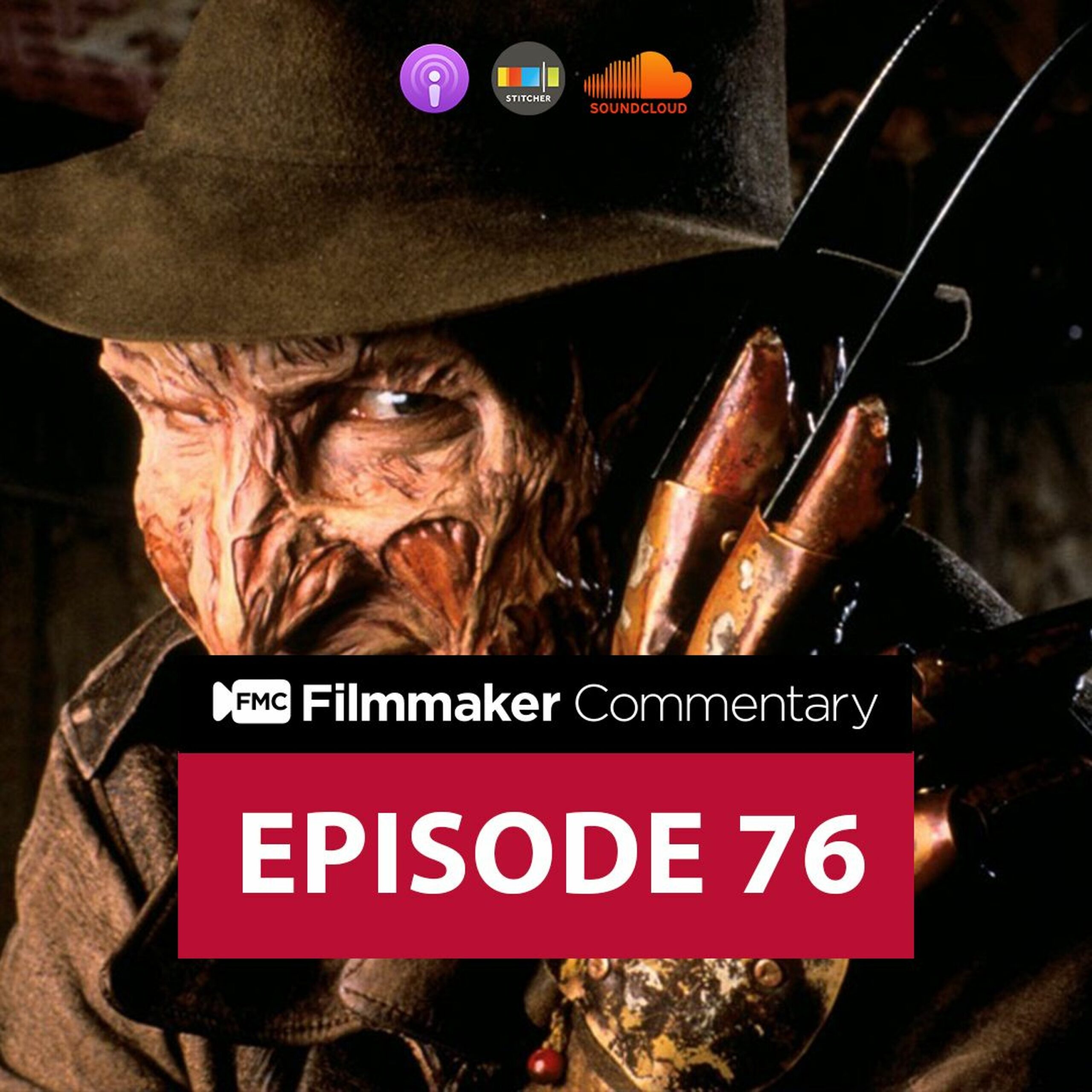
FMC 076: A Nightmare On Elm Street Written and Directed by Wes Craven

November 22, 2019
Listen on Apple Spotify YouTube
Listen to this episode
Your browser does not support the audio element.
Also on Apple Spotify YouTube

Step into the nightmare realm as Reginald Titus Jr. and Casey G. Smith unpack Wes Craven’s game-changing 1984 horror masterpiece, A Nightmare On Elm Street. This episode explores how Craven defied traditional slasher tropes to create a terrifying villain and a deeply psychological scare-fest that continues to haunt audiences.

What We Cover

  • The lasting impact of A Nightmare On Elm Street and its ingenious premise.
  • Wes Craven’s meticulous writing and direction, blending dream logic with stark reality.
  • The film’s iconic practical effects and groundbreaking visual storytelling.
  • How the narrative critiques parental failure and the dangers of suppressed secrets.
  • The sincere portrayal of Nancy Thompson as a strong, proactive heroine.
  • The unique tone that balances genuine horror with a touch of fantastical elements.

Key Moments

  • 0:56 — Discussion on the film’s surprisingly low budget and how Wes Craven achieved big scares with practical, frugal effects.
  • 1:16 — Casey G. Smith recounts his first terrifying experience watching the film at just six years old, setting the stage for a deep dive into its fear factor.
  • 4:00 — The hosts discuss Nancy’s unique character and the importance of facing fear, highlighting her resilience against Freddy Krueger.
  • 4:45 — The hosts reflect on the film’s ending, particularly Nancy turning her back on Freddy, and the shocking final reveal with her mother.

Gear & Films Mentioned

  • Joker
  • Terminator: Dark Future
  • Stranger Things
  • Disenchanted (TV Series)
  • Titans (TV Series)
  • WWE: Smackdown, NXT
  • AEW Wrestling
  • Halloween (1978)
  • Cabin Fever
  • Michael Jackson’s Thriller (music video)
  • Betamax
  • VHS
  • DVD
  • Blu-ray
  • HBO
  • Fox Network
  • TNT Network
  • USA Network

Listener Questions

In this episode, Reginald and Casey discuss how Wes Craven managed to craft such a terrifying and enduring villain in Freddy Krueger. They also explore the storytelling techniques used to effectively blur the line between dreams and reality. Tune in to find out how relevant the film’s themes of parental secrets and disbelief remain today.

Full Transcript

Read the full transcript

Full Episode Transcript
This episode of Filmmaker Commentary Wes Craven's 1984 horror classic *A Nightmare on Elm Street*, discussing its production, impact, themes, and lasting legacy, alongside current film news and personal viewing experiences.

Introduction and Box Office Performance
Reginald Titus Jr.: Filmmaker Commentary episode 76. Welcome to Filmmaker Commentary, where we give you insights from our favorite filmmaking commentaries. These commentaries can be heard on your DVD and Blu-rays of your favorite movies. We'll show you how you can use these commentaries and apply them to improve your video production and filmmaking techniques. All of this here on Filmmaker Commentary. I'm your host, Reginald Titus Jr.
Reginald Titus Jr.: Welcome to Filmmaker Commentary. I'm Reginald Titus Jr., I'm joined with Casey G. Smith. Welcome back, sir.
Casey G. Smith: Good to be back, sir.
Reginald Titus Jr.: Yes. And today we're talking about *A Nightmare on Elm Street*, written and directed by Wes Craven, 1984. We have a budget of 1.8 million and a domestic box office of 25.5 million. And I didn't see anything for foreign box office. Did you have anything for foreign?
Casey G. Smith: No, I didn't either. So I'd say that was that's a win.
Reginald Titus Jr.: Gigantic, gigantic win.
Casey G. Smith: And it look, it doesn't look like, it looks like the budget is bigger than the 1 million, almost 2 million. And see that even that 1.8, that's, it might be a little, yeah, I guess so.
Casey G. Smith: But yeah, I mean, you know, all the practical effects they're using, but they were very, I was gonna say they were very practical, but they were very frugal, they were very frugal in making things work. Yeah, yeah, this this is definitely worth watching some behind-the-scenes stuff on to see how they made this stuff, how they pulled it off.
Reginald Titus Jr.: For sure, for sure.

News and Recently Watched Films
Reginald Titus Jr.: Before we dive further, let's talk about news and movies watched.
Reginald Titus Jr.: What do we have in the news?
Casey G. Smith: So in the news, as of the recording of this podcast, IndieWire is reporting that the Todd Phillips movie *Joker* has made an estimated 93.5 million dollars at the box office domestically during its opening weekend, topping out internationally, uh, currently at 250 million. So this makes it the highest opening film opening of an October film. It surpassed *Venom*'s opening from last year. So that's pretty big. Pretty big deal.
Reginald Titus Jr.: Have you seen any trailers?
Casey G. Smith: I've seen a couple. I saw a trailer for *Terminator: Dark Future*. Is that the proper title of it? The newest *Terminator* film. It's Dark, I wanna say Dark Dark Future, Dark something. The newest *Terminator* film. I've seen the trailer for that. And again, I'm a fan of the *Terminator* franchise, so I'm hoping with I'm hoping with James Cameron being really truly more involved in this one, along with director Tim Miller that we'll have a pleasant surprise.
Reginald Titus Jr.: That trailer looked nice, the newest one. Yeah, I was like, okay. I see it coming together.
Casey G. Smith: It's got a T2 vibe, I think.
Reginald Titus Jr.: Yeah. The first trailer, it was just too soon. Maybe the graphics weren't rendered.
Reginald Titus Jr.: They were just excited to put that one out. But this one looked like, okay, this could this could do something at the box office.
Casey G. Smith: Yeah. How about you, any other trailers?
Reginald Titus Jr.: The only thing I've seen was on on the internet, *Stranger Things* season 4. It was like a teaser trailer.
Casey G. Smith: Wow, that's really soon.
Reginald Titus Jr.: Yeah. And I didn't know if, you know, sometimes you some of these trailers look fake, like fan-made and stuff like that. So I was like, is that the real thing, but apparently it is. Yeah, they saying too soon. In my opinion, I think you're good after season 3. I mean, you're it's wrapped. You're done.
Casey G. Smith: It it has that you know, I thought after season 2, you could have said that. And then season 3 surprised the heck out of me. I did not expect to I didn't expect it to hold up the same standard. I don't know why, but they they made it work, so so we shall see. I mean, it's one of those things where, you know, they're batting a thousand. So,
Reginald Titus Jr.: I like hanging out in the 80s, hanging out in the 80s nostalgia and all that.
Casey G. Smith: And watching these kids grow up because they I mean this season 2 to season 3, it's a big leap. You know, they they they're all kind of hitting hitting that age where they're making those jumps and, you know. So we might you might start, you know, hearing some voices drop, give a little bass in in some of their voices now.
Reginald Titus Jr.: Right. Movies, man. Movies watched.
Casey G. Smith: So speaking of *The Joker*, I actually went and saw it in theaters. I saw it yesterday and was was very impressed. I enjoyed it. Yeah. Yeah, there's this so this film, whether you're a comic book film or not, this is this is a character study. This is not an over the top tent pole film. This is again, it's it's a character study. It's a psychological breakdown and it's a detour from even the traditional origin of the Joker as we know it, or as we have been shown in the comic books, cuz there's always a lot of mystery in the comic books, even what is Joker's true origin. He he tells and and talks about different things. Kind of like he did in *The Dark Knight*. You know, nobody really truly knows the true origin. A lot of times people go with the whole kind of, you know, him and Batman fought and he got dropped into a vat of chemicals at Ace Chemical Plant. But so this is it's not really I don't think it's really a spoiler, but this is set in an older time period. So he this is like in the like late 70s.
Reginald Titus Jr.: Okay. From the direction, I can see that.
Casey G. Smith: Yeah, it's set in an older time period. You know, there's Thomas Wayne in the movie, there is no Batman. So that's that's the big thing to know. There is no Batman in this. You're dealing with an everyday guy and how he eventually becomes to take on the name Joker. That's all I'll say. But Joaquin Phoenix is I I see why he has Oscar buzz around him. His performance is his performance is man, he's he's he's always all in. Swing for the fences. Oh, yeah. And this is this is no exception and it is fascinating. So if you get a chance, I recommend going and seeing it. Not for kids.
Reginald Titus Jr.: Yeah, I mean, the character is demented.
Casey G. Smith: Not for kids. This is there are moments in this that, uh, cuz we've honestly, we've never had a rated R Joker before. DC Animated did a animated film a couple years back. They they did an adaptation adaptation of *The Killing Joke*. That was rated R. This, you know, and it gets to this this earns its R rating in in in certain certain place. But nonetheless, *Joker*, check it out.
Reginald Titus Jr.: Okay.
Casey G. Smith: Check it out.
Reginald Titus Jr.: I think there's a like a void in the marketplace in general just for kind of like we were saying art house kind of films because Miramax, you know, was handling that void for a long time. But now it's just been tentpole movies that have been doing well.
Casey G. Smith: Well, I mean, A24 totes totes a lot of those art house kind of films. Annapurna, it's another name that pops up in that kind of indie film realm at times. How about you?
Reginald Titus Jr.: Um, the only thing that I watched this past week was an episode of *Disenchanted* on Netflix. It was just just I was like, let me just click on it. Just let it ride. Yeah, just let it ride. I mean, yeah, it kind of has *The Simpsons* kind of animation look. It yeah, it's just to pass some time.
Casey G. Smith: The only other thing that I had I had down that I watched was again, *Titans* season 2 on the DC Universe app. So I watched another episode of that last night, which again, I've I've really been enjoying this this season. It's it's a nice step up from the first season. Yeah, it's it's moving along nicely. And I watched I watched a decent amount of wrestling this week. It's been interesting Fox they purchased the the rights to the WWE show *SmackDown*. They paid like maybe like 4 billion or so. They paid billions for the rights to be able to air *SmackDown* on their their their network and they moved it to Friday night. So you know, the advertising for it has been really, really cool. But so it premiered this past Friday and they got The Rock to show up.
Reginald Titus Jr.: Oh, there you go. That's it that's worth it right there.
Casey G. Smith: Premiered in Los Angeles. The Rock comes down, you know, one of the one of also one of the most popular wrestlers right now is the woman Becky Lynch and she actually goes by the title, The Man. She's she's copped that title, but she it's it's a cool stick, actually, she makes it makes it work. But she was in the ring and it's a guy named Corbin Baron came down. He was a recent King of the Ring winner, so he's he's wearing a crown and all those kind of stuff. And then The Rock's music hits. Crowd freaking erupts. It is it it was fantastic. He comes down and he I mean he just I mean he knows how to work the crowd. He has his shtick that he does, and he stands on the ropes and raises his fist, and everybody's just popping and his music's going, and then he gets the mic, and, you know, he just goes into his deal. And they proceed to rip into this dude Corbin and man, the crowd is just eating it eating it up. It oh, man, it was absolutely phenomenal. But a pretty good show. But yeah, so yeah, I found myself watching quite a bit of watching some of that, and then in the middle of the week, there's a new wrestling promotion, AEW, that had their premiere of their their actual first show on the TNT network. Now what WWE has done, because Vince doesn't like competition, he took one of their shows that was just on their network and now moved an hour of that show, their NXT show, moved an hour of that show to be live on the USA Network also on Wednesdays. He started doing this about three weeks ago. And then AEW premieres. So now you kind of have it's not a Monday Night War like what we had in the 90s, but now we have a little bit of a Wednesday night kind of war between, you know, this this new organization and and a little bit of WWE. And they they they made their show go for two hours this week. WWE, and I'm like, wow, this guy Vince is not gonna let anybody slide in this territory without a fight. So that was that was fascinating. So, yeah, that took up some some viewing time.

Initial Experience with A Nightmare on Elm Street
Reginald Titus Jr.: Well, let's jump right back into the show. You're tuned into Filmmaker Commentary. We're talking about *A Nightmare on Elm Street*, written and directed by Wes Craven, 1984. Let's jump into the synopsis.
Reginald Titus Jr.: Several Midwestern teenagers fall prey to Freddy Krueger, a disfigured midnight mangler who preys on teenagers in their dreams, which, in turn, kills them in reality. After investigating the phenomenon, Nancy begins to suspect that a dark secret kept by her and her friends' parents may be the key to unraveling the mystery. But can Nancy and her boyfriend Glenn solve the puzzle before it's too late? *A Nightmare on Elm Street*. When did you watch this film? This is 1984.
Casey G. Smith: This is 1984. So, if this is your first time listening to Filmmaker Commentary, please note that there will be spoilers. You've been forewarned. Yes. So, I I came across *Nightmare on Elm Street*, and I think I've actually mentioned this before in this podcast. But, at the at the tender young age of, I believe I was 6 years old, 6 or 7 years old.
Reginald Titus Jr.: Oh, man. The whole thing? Watched the whole thing at 6?
Casey G. Smith: Yeah. So my dad had it on Betamax.
Reginald Titus Jr.: That'll be ruined.
Casey G. Smith: And I was starting to get into horror, maybe maybe it was maybe as early as second grade. But I was already kind of kind of interested in horror and I would check out scary books from the library. And I was bugging my dad, "Hey, Dad, can I can I can I watch *Nightmare on Elm Street*? Can I can I see this?" And my dad was home one day, cuz he would work, you know, different kinds of ships in the military and so and I guess it was summertime. And my dad was like, yeah, sure. And literally, you know, put the tape on me and then he he left. Yeah, he probably went in his music, he went listen to the music, and I literally, I sat there by myself and I watched this whole movie.
Reginald Titus Jr.: Creepy child. You're a creepy child.
Casey G. Smith.: It was it was it was it was daytime, you know, I watched it during the day. Yeah, it was at least it was at least daytime cuz I don't I think I wouldn't have made it through if it was night. But I sat and watched this whole movie. And I was just like, you know,
Reginald Titus Jr.: Where your siblings at? Like, you're just solo Jackson watching this thing?
Casey G. Smith: I don't know. I'm thinking about it now. I'm like, where's my sister at? I don't know, she was doing whatever she was doing. My mom, I think was at was at work at the time. But I was just there solo and I watched the whole movie. Wow. And yeah, you know, I I mean, I didn't like, you know, cry while I watched it. I just was just like taking it all in. I know I was freaked out for sure.
Reginald Titus Jr.: Stunned.
Casey G. Smith: And after that, man, for like a week, I was I didn't wanna take a bath.
Reginald Titus Jr.: Wow. Yeah.
Casey G. Smith: You know? Yeah. Yeah, there was this specific scene. Yes. Um, I didn't I didn't want to take a bath. We lived in a two-story home. And so in order to like go, I think the light switch to turn on the the lights upstairs, who may have been upstairs, I think you had to like maybe get up the steps first. And I remember like, you know, like it was time for us to go to bed or whatever and I remember going upstairs and I'm like, I was the the dark was freaking me out. I remember I remember I remember at night, I didn't want to go to bed. I was like, Freddy's gonna get me. Yes, he will. I was just freaked out. Uh, so yeah, that's when I I first discovered *A Nightmare on Elm Street*. Again, that was first grade, but you know, I eventually bounced back from that. And by the time I was like, you know, I guess, you know, third, fourth, I was still, you know, still interested in horror. But I I went through a phase there where yeah, I was I was scared. Now I would have, you know, nightmares every now and then, but I still would uh, I still would power through. I still enjoyed uh horror when I was when I was younger, really, really enjoyed it. But that was my introduction to Mr. Krueger. How about you, Reginald?
Reginald Titus Jr.: I never seen like *A Nightmare on Elm Street* I would see it in passing just like clips, like when I see the adults watching it. I'd just kinda come in, I remember that high school scene. Like, nah, I'm gonna go back to my cartoons. Doozy. Yeah, I'm like, nah. Like I was real sensitive to certain stuff. So I just I couldn't I would have been ruined forever. Uh, I didn't start getting into the Freddy Krueger stuff, probably when they started getting a little bit more comical. Then then it was like, it seemed like it was just, okay, it's just kind of silly, yeah. But we still enjoyed as kids, we enjoyed the silliness of the character Freddy Krueger. Uh but yeah, the first stuff was spot on and very serious and horrific. They did a good job. But in 2013, that's when I actually sat down and watched the whole thing, you know, I did watch it by myself. I was like, this was well done. It's still like scary, and like, there's a few jump cuts, I mean, uh jump scares that you're like, I did not see that coming.
Casey G. Smith: Yeah. Yeah, there's a couple they pull off really well. You know, you know, we'll get those like in the favorite scenes, but I hadn't I had seen, you know, some of the other sequels. I was seeing this girl at one time and we had a conversation and we're like, you know, what's what's what's what's a movie you watched when you were a kid that really scared you? And so we each decided to, you know, take that movie and then we were both gonna sit and both watch, you know, we'll watch it back to back and that's when I got in the copy of uh of the film. And it had like, you know, like one through five on it. And so we sat down and watched it and that was my first time watching the first one in a in a I mean since childhood, honestly, I hadn't I hadn't gone back and watched the first one. I don't think I'd I'd watched the whole thing since then. And so it was cool to to watch. I I have a thing where I like to face my fears, you know. And so it was it was cool to go back and watch it again and just looking at it now, I'm like, man, this still is kinda creepy. This has this has elements. You know. So, uh, I'll only jump because you jump, girl, that's all that was. That's all that was. Don't make me jump. Don't make me jump. But no, it was but it was it was cool. I was like, man, this is this is still like really good. And it's and it's just fascinating in, you know, Wes Craven and him coming up with this and, you know, Robert Ingland, you know, playing the role of Freddy. I even at a young age, I was always interested in the behind-the-scenes. That that's what helped me not be as scared. I was like, okay, show me the behind-the-scenes, I can say, okay, this is this is just a movie. These are the prosthetics and all that kind of stuff. Okay, so you know what, but I was unaware. Like as a kid, I didn't I was unaware. I thought this was happening and someone recorded it.
Reginald Titus Jr.: For sure, for sure.
Casey G. Smith: Good old HBO, man. HBO in the Smith household, they would have these, you know, first looks and behind-the-scenes stuff. And honestly, going all the way back to Michael Jackson's *The Making of Thriller*. We were watching that back in, you know, 85, 86. And that was a big, big help cuz I used to *Thriller* used to scare the crap out of me. That werewolf, that's a Everybody had their thing. Mine was the creepy voice. Like I could make it because these are they're dancing. You know what I mean. So.
Reginald Titus Jr.: I remember that actually.
Casey G. Smith: But the Vincent Price on the record. Yes. Cuz my aunt, she had the record and she'll play that and I'm just like. That's Satan like narrating. That's man, that's that's Vincent Price, man. He's classic, man. Classic horror voice.
Reginald Titus Jr.: So close, so close. That's close at hand. Creatures crawling in search of blood. He's just off.
Casey G. Smith: To terrorize your soul. But I could watch them the music video, like no problem, but you know, as soon as you play that record, I'm like, ooh. Yeah, no, my sister and I we would we would we would I mean we had the dance down, you know, we would we would get up there and we would do the dance, but like I would, you know, when they're walking in, you know, when when, you know, the the the the opening credits, uh would show up, the title crawl and the and it's like in it's almost like in in a in a stop motion and and you can hear his breathing and it's kind of pulsating. And all of a sudden you see that the car pull up and. The tension, man. The tension in that is that's real. John Landis, man.
Reginald Titus Jr.: It's all right. Anyway, that's a tangent, but yeah. How was it for you this go around coming back to.
Casey G. Smith: This time.
Reginald Titus Jr.: So I watched it 2013, I said, I watched it with my wife this time. I was just like, we watched it during the day. We wanted to watch it at night, but so much stuff was happening this week, it just wasn't possible. So watched it earlier in the day, earlier this morning, actually. And I was tired. I was I was hanging in there about halfway, but she was like jumping and everything.
Casey G. Smith: She had never seen it before?
Reginald Titus Jr.: No. She she thought she'd seen it. She thought she'd seen it. She, yeah, we seen it together. And we started playing it and then was like, what's the the actress at the very beginning that's running in her uh, uh Amy Swin. Amy, I got her name right here. Amy White. Amy Wiss. Amanda, excuse me. Amanda Wiss. Yeah, she's running around in her little see-through nightgown. Yeah, I'm like, uh, got the steam and stuff going on. It's like, okay, good old uh, Halloween, not Halloween, but just the horror tropes, you know. There's like, that's part of it. Uh so seeing that, I was like, man, this is it starts out just kind of raw. Ready to do something. But she was jumping around, I was like, man, this is actually pretty good. But now I started kinda dozing off like halfway and I was like, okay, I remember this. Like I remember the film. But she would like turn around to see if I was still up. She was like, oh, they got her. They She hug. Yeah, she was hooked. I I would I would want I want to cuz I picked up a DVD copy. Um, I want to see I want to see it in Blu-ray to see cuz it looks good. Yeah, yeah, I want to I want to see that transfer on Blu-ray again. Cuz it look it look it looked it looked okay on DVD, but I want to see that Blu-ray transfer cuz I know they I know they put a lot of work into it. And when they were doing the commentary, you could tell it was an older commentary because they make mention they made mention that they were watching it on VHS. Yeah. And they said, oh, you know, this look even they were commenting how good it looked on VHS and said, oh, it's gonna look even better on laser. I'm like, oh, dear God, when was this shot? When did they record this commentary? 90 uh 80s Yeah, well I maybe like early 90s, man. This may have been like. Maybe early to mid 90s cuz they they mentioned it it'd been a couple years since. Yeah, you're right. Cuz they they I think they had already they at least shot like uh at least like five um because they were talking about some of that. And that actually want to revisit some of the ones where where her character shows up, where Nancy shows up. I know she's I think she shows up in three. Um, and I think maybe The new nightmare. Which would be like the fifth one or so. 10 years from. Yeah, but she's kinda it's weird cuz that was kinda meta. Cuz I I watched new nightmare a long time ago. That one's meta. They're actually playing almost playing themselves. Yeah. And it's like he's like like and even I think Wes Craven's actually in it playing himself. And it's something like he's Yeah, it was like a um everything that she went through became pop culture. And people were like making money off of everything that she really went through. Oh, so that's why I had all that stuff. I gotta rewatch it then cuz it's been it's been at least at least like 10 years, at least 10 years since I've saw *New Nightmare*. So, man, okay, yeah, I want to revisit revisit some of that. But um so we were kinda talking about the the look of the film. What did you think about the the visuals?

Visuals, Tone, and Themes
Reginald Titus Jr.: The visuals. Um, I like the practical effects. I always practical effects, I go for that first if that's possible. Um, has this wet kind of grungy feel. And then also if it's it's dark, of course, or filmed dark. Um, but I like their art direction, especially what use the use of colors. Um, you know, you got the blue door, or you got um the color coordination for Freddy. And then when you're switching from the dream world, well, the real world into the dream world, you can tell visually that you're now in the dream world because of the use of like smoke and things like that to kind of be like, okay, we're it's a little bit more dreamy now and things are off a little bit.
Casey G. Smith: On a subconscious level, you can kind of feel like, okay, this isn't the reality anymore. But it does a good job of blurring that, though, I feel at times, cuz you always have that moment where you're like, okay, you know, you're still awake, but then all of a sudden, you get you you the further you go into it, you begin to realize that because when she's initially in her classroom and she kind of like she thinks she's like, wakes up and she sees that, you know, obviously she sees the the body of of Tina in the bag, man. You you know she's she's dreaming. But when she's in her room, when she's in her bedroom and she's uh trying to call her boyfriend, and you know, the phone gets gets disconnected, uh the dad, you know, pulls the plug from the wall and then she tries to call again. And all of a sudden it's it's you know, it's Freddy's voice on the line. You're like, oh, man, when did she go to sleep? You know, that one's like that one kind of like blurs the reality, kind of blurs in that. When you're like, oh, wait a minute, what? Crossing over. Yeah, but that but I and there's one shot in particular at the very beginning when you see the girls when you first see that the the the the girls singing the the nursery rhyme and jump roping and it's it's a real real soft, you know, the lighting's real soft. And then and then it pans over to the three of them driving up, uh in in the car. They get out and then it pans back over to now they're like at the school. You're like, ah, that's a pretty cool shot. I it's one of those things where I didn't really appreciate it until they started talking about in the comment, I'm like, oh, yeah. It was just like so seamless.
Reginald Titus Jr.: Yeah, yeah.
Casey G. Smith: Slow motion.
Reginald Titus Jr.: It has a strong visual language.
Casey G. Smith: And I I love the the the use of shadows. Again, when they're especially when they're in the the dream world. Um and and how they how you have you get the the gradual reveal of Freddy. Um and even the like I kind of gets into tropes, but even like the the opening of it all. Um one visual thing I will mention, you know, there's all kinds of different key arts that this movie has had, but there's one that always stands out and that's the key art that shows Nancy in bed and her hair is kind of spread over the pillow and you're like you have like this claw. You know, I don't know, I just that's that's one of my I don't know, favorite key arts. That's a painting. Yeah, looks nothing like the actress. Yeah, I kinda yeah, I agree the way they and they make it a little bit more seductive too. Cuz she's I mean she stays fairly, you know, modest. So like one thing as a kid, I I felt that it was more sensual. I thought there was like, as a kid, I was thinking that there was like more like nudity in this, but there really isn't. Yeah, I mean there's there's plenty of blood. Yeah, yeah. But as from a kid's perspective that like that's a big deal. You know, I was like, I'm like, oh, this is not as. Cuz you know, when you get into tropes, you know, usually there's, you know, usually there's a running around. You know, sex and blood, sex and blood, but um.
Reginald Titus Jr.: Mhm.
Casey G. Smith: Mhm.
Reginald Titus Jr.: It's more suggested.
Casey G. Smith.: Sure, sure. There's always just running around.
Reginald Titus Jr.: Undressed for two.
Casey G. Smith: But um and yeah, and then usually the nudity compensates for a lack of story.
Reginald Titus Jr.: Man. Tone. What did you think about the tone ?
Casey G. Smith: So, it's it's a a mix of kind of like fantasy and and horror. At at times, you know, there's there's you know, there's there's there's sometimes small jokes, you know, kind of here here and there, but they don't detract too much, you know, let you know, later on in the series, it can kind of, you know, it becomes a little little more camp at times, but but yeah, I'm I'm I'm impressed with also the the sincerity particularly of Nancy's character. Like she is she she she is like genuinely like good, like like pure, like good. Obviously, she's the antithesis of of of Freddy Krueger, you know, this guy literally, you know, was murdering kids. But the fact that she just just cares so much, you know, she cares to go and and spend the night at her friend's house because he had a nightmare. Like, wow, okay. And then she she she she cares enough to go and and see the guy who is in jail for potentially murdering her friend. She goes and sees him, you know, to see how he's doing.
Reginald Titus Jr.: Yeah.
Casey G. Smith: Yeah.
Reginald Titus Jr.: Yeah. Yeah.
Reginald Titus Jr.: Yeah, a little too nice.
Reginald Titus Jr.: I thought the tone was uh it was raw. It had a raw vibe, you know, starting out, you just see this lady running for her life and it's like dark hallway, it's wet, and got a lamb. What is that about? You know, and then she wakes up in a cold sweat and it's like, okay, we're dealing with dreams or something, you know. And uh, And her clothes are already like cut, you know, her nightgown is is got the claw marks on it. That's right. That's right. It's serious and it's kind of it's grounded in the real world, but it's it's showing you how uh their experiencing all this pain and in their dream-like state.
Casey G. Smith: Yeah. That shot is real real quick. So she wakes up in a cold sweat.
Reginald Titus Jr.: Mhm.
Casey G. Smith: I think there's also a like a tone of like secrecy. And and then also disbelief because again, once her her mom comes in and immediately you have partially her denying that it wasn't any big deal, saying it's just a dream. But then also, you know, the mom seeing seeing the evidence of her nightgown ripped. Nobody rips their their clothing like that even in a nightmare. Like what? And she said, you better cut your nails, and then all of a sudden, you know, the whatever guy she's sleeping with comes. And so then they leave, but you also have almost like that disbelief of the of the parents already settling in from the beginning. Yeah. It's like they're set in their ways. They're just living their own life and they just like, y'all teens, figure it out, you know.
Reginald Titus Jr.: For real. Like, where are the where's the, it's like bad parents kind of throughout.
Casey G. Smith: For real. Like, where are the where's the?
Reginald Titus Jr.: I noticed that like in *Halloween*, remember the movie *Halloween*? Like, it was just she was just kind of just doing her own thing. Like, the parents were just nowhere around. They just trusted a babysitter whoever and just like, all right, we trust ya.
Casey G. Smith: Yeah. The response. I think I see a lot of parallels between Jamie Lee Curtis's character and uh Nancy in *Halloween*. But we can hit that in tropes.
Reginald Titus Jr.: Themes. What did you get for themes?
Casey G. Smith: All right. I had one of the things the simply the the power of dreams. There comes a point where Johnny Depp's character is talking to Nancy about a book he's reading on dreams and which becomes the key to her kind of winning at the end. Uh and being able to take back that power or to have given away a certain amount of of of power.
Reginald Titus Jr.: Um, I had a theme of cover the truth. Yeah, covering the truth with a lie, the truth will like manifest in its own way when you try to cover it up. Um, and of course, it's kind of relating to the parents, kind of just not even talking to their kids about freaking Freddy Krueger and just hiding it, and then he resurfaces in his own weird way.
Casey G. Smith: Well, the fact that you've got his claws in in the furnace of your basement. Yeah. Every time I see it, I'm like, come on, Mom. But also, I mean, you see like the ramifications, like the effect, at least on her, on Nancy's family that it had. You know, you see them her parents being divorced. I think for whatever reason, like them knowing what they did, I think that has taken a toll on them. Maybe leading to the mom's drinking and, you know, maybe the parents' divorce and that kind of hanging over them. Even and even Tina's mom, when you see her like, I don't know, she seemed like she was out of it. And then the other and the other guy who got arrested, but he I'm like, where are your parents at?
Reginald Titus Jr.: I'm already an adult.
Casey G. Smith: Yeah, I guess so. Yeah. So it's like, man, what's up with these parents? And then again, obviously, I mean, Johnny Depp's parents, his mom seems cool. Um, but his dad's like, I don't want my son hanging around with that girl. Unplugs the phone, but he's trying to protect his kid, so, but I had another theme of again, just pure evil versus pure good. Again, these two couldn't be more opposite. Um, yeah, and it's pretty self pretty self-explanatory. Facing fear.
Reginald Titus Jr.: Yeah.
Casey G. Smith: Uh and and actually, uh Nancy's mom said it was that's that's one of your gifts is is you you face things. And she she does, like, no matter what it is, she faces it. I that's one thing I I appreciate about Nancy as the heroine of of this of this tale, that she's just like, you know what? She says, I'm into survival. And I dig that she figures out a way to fight back and she, you know, when she's in that the dream at the school and she literally like to get herself to wake up, she like, burns herself. I'm like, okay. But her reaction when she in the classroom she she's screaming. I'm like, Have you ever had that sensation in a dream before where you realize you're dreaming?
Reginald Titus Jr.: Yeah.
Casey G. Smith: Yeah. It doesn't happen to me all the time. Usually I'll dream and kind of forget about the dream. Um, but every now and then, like, I'll know I'm in the dream and I'm like, I haven't woken up yet. And so I get to control anything I can do in the dream now. Oh, yeah. I was like, ha ha, I got the cheat code. I can his dream. Yes. Taking it back. So yeah, that's what it felt like when she when she did that. Yeah, that that's that's a cool feeling when again, like we said when you realize it, you become consciously aware and like, oh, all right. Or you wake up from a dream and like, oh, it was a dream and then try to go back to sleep and try to like gain let me go back. Let me let me wrap this up right. And I think I just the theme of the kind of the blurred reality of of of being asleep or awake. And and the importance of being awake. And I mean, you know, nowadays we have, you know, people can say, you know, stay woke. It's even commented about in the commentary that the importance of staying awake. Wes Craven mentions, you know, it could be not just physically, um but it could be, you know, mentally or spiritually. Uh and that in this in this movie that that sleep or falling asleep, uh is could can literally be deadly in various ways in life. So, stay woke.
Reginald Titus Jr.: Yes.
Casey G. Smith: That's true. That's true.

Tropes and Quotes
Reginald Titus Jr.: Tropes. What tropes do we have? Um, parents just don't get it. Parents just don't understand. They don't understand and it seems to be the case in a lot of these horror films. Like, the parents just don't get what we're trying to do. So it's up to us.
Casey G. Smith: Or they, you know, or they hide, uh, or they hide the truth, you know, or or or ignore a certain danger. Um, which again, yeah, these parents were, yeah, they were hiding big, big secret, you know. And you got this nursery rhyme that's there, so I guess this for the kids, they probably thought it was just a, you know, silly nursery rhyme. Yeah. But uh, but you know, the dude was real and then I mean, of course, they didn't expect the guy to come back in in dreams. So. But the fact that the mom when the daughter was describing the guy and she was just staying quiet about it, but again, she's obviously not good with facing things because she's keeps herself in a stupor of of of alcohol. Um, I had a a theme excuse me, a trope of the promiscuous teen gets killed first. Often often you you see like the promiscuous ones. Yeah. They're like the first to go or at some point in time the really, really freaky ones. They get it. Whether it's in *Halloween*, whether um whether it's in in um *Cabin Fever*.
Reginald Titus Jr.: For sure.
Casey G. Smith: Just the sins like. Yeah. Yeah. That's true. Yeah, the really promiscuous ones end up end up end up getting it. And then the the the the chaste virgin, uh again, we see it with, is it Laurie? Is that the girl's name in *Halloween*? Is that who who uh Jamie Lee Curtis is playing?
Reginald Titus Jr.: That's true. Deng it. I wish I remembered the name. I don't remember.
Casey G. Smith: Yeah. But that character, I mean she and again she's also not both both in *Halloween* and in this, you have the the female heroine who again, has the innocence, has the good virtue, uh finds the courage, but also from a look standpoint, they're they're not the the the the girl next door. Yeah. Literally you got the the girl next door kind of vibe going and the directors made that that kind of choice on on on purpose. Uh but yeah, the the the the the chaste kind of virgin because, you know, you don't see uh Nancy getting it on with with her boyfriend. You know, there's both times where he's like, you know, starts to kiss her and she's like, no, we're here for Tina. You know, and then later on when she's kind of describing her plan and asks her boyfriend to stay awake, Johnny Depp's character, uh she's like, it's not what you think. You know, And so all the while, staying chaste. If you will. If you will. Chaste.
Reginald Titus Jr.: I don't have any more tropes.
Casey G. Smith: I I've got I've got uh two more. Often in horror movies, people people often will they end up doing the opposite of what they're told. Right? So everybody whenever somebody says, oh, I'm gonna go and in and and do this, or someone says, oh, hey, no, don't do that. In horror movies, they do the opposite. So, you know, she asked her boyfriend, just just just just be like a guardian over me. And and just just watch out for me and if I start to scream, then wake me up. And she goes into the dream. And she's like, hey, you still there? Yeah, yeah, I'm here. And then when things get when things get crazy, she's calling out his name, hey, hey, hey, and everybody's like, ah, dude's asleep. Glenn Glenn's asleep, buster.
Reginald Titus Jr.: Yeah. Yeah.
Casey G. Smith: Yeah. Yeah.
Reginald Titus Jr.: I remember as a kid watching it, watching uh the older, the other *Nightmare on Elm Street* uh film just like, oh man, they sleep. It was like, you're like, get up, get up. Like rooting for him. Come on, wake up. But you got to build that, you build you build that tension, right? When people like go the obviously like, oh, that's not not going to end well. Yeah. Um, it's hard not to go to sleep. I mean, kind of essential, you know. Which makes it even more scary, right? Is it's one of those things that, man. I was literally fighting ironically, fighting sleep while watching this film. I've been in the state of of fighting sleep before and it's a battle I I often lose. I'm like, man, this was real, I'd be sleep wins again. I wouldn't I wouldn't make it. Undefeated. I would not make it. Um, last one I had was just incompetent cops. I as a trope. Yeah. Often it's like, you know, like, oh, like when they when she goes to the jail to to check on, you know, oh, man, I I work this shift, so I can have some peace and quiet. Yeah, that's why he works. just lazy. And then when the when when her dad is like, hey, you know, give me the keys. I'm like, let me find the keys. I'm like, oh, come on, dude. Useless, useless. So everything's automated. Yeah. And then the and then the the the kind of last couple of scenes, you know, when the the dad tells the other officer to to look after his daughter. And then when she's in the, you know, behind the bars in the house, he's like, I got him here, I got him here. And the guy's like, everything will be okay. She's like, get my dad, you. You know, she's like, he's like, oh, maybe I should get the captain. I'm like, oh yeah, he was useless. So yeah, that trope of uh incompetent cops kind of you you you uh you see or or like kind of weekend like weekend, weekend or. Oh yeah, that's a real trope. What was that movie *Scream*, right? When we had the Dewey character? Oh yeah. Wasn't it *Scream*? Yeah. Quote, do you have any quotes? Got a couple quotes. You want to kick it off? Yeah, uh Johnny Depp is talking to uh his girlfriend and he was like, I heard you freaked out in English class. And she's like, yeah, I guess I did. And it's just like, she was screaming bloody murder because she was she went to sleep and saw the body bag and all that stuff and just woke up. Yeah. That was a that's a well done scene, you know, cuz she really did seem freaked out. I was very impressed with that scene. Every time I see it, I'm like, man, because it's so sudden and it's like, oh. Again, coming back to just how like pure, how they had Nancy deliver her lines. So, it's two times she gets really pissed. So back in during her dream when she's going down the hallway and like the hall monitor is like, you'll need a pass. And she's like, screw your pass. You know, she's just, you know, doesn't doesn't curse. She just says, screw your pass. You know, and it walks on. And then and then when she confronts her mom after she, you know, she finds out that her mom knew about Freddy and everything. She's got, you know, pulls the bottle out of her hand. Her mom's like, you just need sleep. And she's like, grabs the bottle and throws it on the ground. Screw sleep. And the fact that she says screw, you know, instead of like, you know, she not she's not using a curse word. Uh apparently they they kind of adjusted the script, uh you know, and had her deliver the lines with less with less cursing. But it kind of just comes back to this like this purity of this character like, oh, she's just saying, screw your pass. Um, there's another quote where she is I think she's against she's with um Johnny Depp's character. Glenn. Glenn. She was looking in the mirror, I guess. And she's like, oh, I look almost 20 years old. Like that's old to her. God, I look 20 years old. Yeah. That's a yeah, that's a great line. That that's because it's so it's so subtle. And she's being so serious, like when she says it. But yeah, Zaza just like, oh, child. Oh, child. Again, this this this is like the the line, whatever you do, don't fall asleep. Literally, you know, that's it. That's you're gonna lose. Like you're going to. It's the last thing that she said, I think the last thing that she says to him. That's impossible. Yeah, you're gonna lose that battle. He does the exact the exact opposite. Okay. And it costs cost him dearly. Again, uh Nancy's mom telling her, kind of revealing this moment of truth to her. Almost like being the think about something like the the the the tropes within like kind of drama. Her mom almost like almost a bit of a of a of a quest giver because her mom, her mom reveals to her that that Freddy Krueger is real. And that the the people of the town killed killed him and then she has the he has his, you know, his she holds on to the hat and all like that stuff. But her mom tells her, you face things, that's your nature, that's your gift. And so that I think almost for Nancy almost confirms that she has to be the one to to stop Freddy. Not only could she bring things back with her, but that she's gotta be the one to stop him. She and she's, you know, willing to to face him. And then lastly, again, at the end when she turns her back to him, she says, I take back every bit of energy I gave you. And kind of uses that to just depower Freddy. I just did air quotes since, you know. Air quotes. Since we're not doing video. Yes. This is just audio. Audio air quotes. Close quote. Do you have any favorite scenes? I do, I do. Uh the opening. I I like how in the in the opening you see the preparation him making his claws. Oh, that opening, yeah. Yeah. And I remember as a kid, I was like, what's what's happening? By yourself six-year-old in a cold room. What are those? Are those but but but but but blades? Oh man. Father, father. On a glove. Who's this guy? Wolverine? Yeah, that's Wolverine out there. Oh, dear. So yeah, but I I I like that opening. It's just a slow preparation. And then we quickly see them obviously put into uh into effect. Uh in Tina's in Tina's dream. Yes. Uh my favorite scenes, I have a few of them, but I'll start with one. Uh, we talked about the classroom scene. Most of it was like the practical effects. Those are like my favorite scenes. Uh, the classroom scene, what I do like about the classroom scene is because she's uh one of the students has gotten up and started reading in front of the class. Everybody's supposed to be paying attention to him. And then she dozes off. When she dozes off, uh the direction with the students, they're just sitting still. They're just looking creepily and they're just they being very, very, very still and looking straight while she's moving around. I'm like, this is like awkward. Like, this is the dream world. And then instead of quoting whatever he's supposed to be reading from the book, he's saying something completely weird and different. Yeah. And so it kind of lets you know, okay, we're in this awkward dream Satan demon state. Um, but it's done well, you know, that that's done well and and it makes you feel weird. Likewise, from that same that same uh sequence, again, once she actually gets down to the boiler room, she's, you know, she's already showing this this constant courage, right? Number one, she's she's willing to pursue and go after her after her friend, which is obviously all bait. But even when she gets down and she's there with with Freddy and she's like, it's just a dream and she's like, you know, she she actually curses at Freddy. She actually, you know, drops a GD on them, you know, I'm like, okay, you know, with this guy, she's not gonna be so polite. Yeah. Not so chaste with you, Freddy. Yes. But then she like, you know, she's, I don't know, she's just so bold, man. She's like, burns herself on the pipe to to wake up. So she's smart too. Yeah. And again, that's when she obviously freaks out. And it's that we already come and how just impressive it was her her screamer reaction. And one of the things they didn't do during her her testing, they didn't have they didn't test her scream. Which is fascinating, but she does it very well.

Filmmaker Tips and Final Thoughts
Reginald Titus Jr.: Sorry about that. Yeah. That's the casting director, everybody. Sorry about that. We.
Casey G. Smith: I may have uh missed an important element. Don't fire me. Thank you.
Reginald Titus Jr.: It turned out well. Yeah, it worked out. Oh, the um, the scene when what's her girl's character, the lead actress?
Casey G. Smith: Nancy.
Reginald Titus Jr.: Nancy. She's running back into the house from Freddy. And she steps on the stairs and it's like marsh marshmallow oatmeal. I was like, how did they do this? But it's like it's a practical effect. Speaking of practical effects, again, there are some really great practical effects in this that hold up. My maybe my my favorite out of all of them. Like again as a kid, freaked me the heck out, dude.
Casey G. Smith: Six years old, everybody.
Reginald Titus Jr.: Yes. Oh, dear. The wall, it's stretching.
Casey G. Smith: So when Nancy is sleeping in in Tina's bed, we've already seen in the in the opening scene, we already see that the crucifix fall off the wall. Yeah. That kind of just just by itself. Oh, wait, no, in the opening, does she grab it off the wall? Tina, does Tina, I think Tina grabs it off the wall. Um, but then when Nancy's in the room, it falls, does it it falls off the wall? Yeah, it kinda gets knocked off the wall. And so and she's kinda has it and it's kinda puts it to the side. Did it fall off? Yeah, I think so. It falls off initially cuz then, yeah, cuz after it falls off the wall, that's when we then see like it the wall being stretched, you know, and we see these these these hands and this face pushing, but it's, you know, the with the effect obviously it's it's a it's a latex wall that they created and they they literally lit it just right. The so when it stretches out far enough, the detail's really begin to come out. Yeah. It's so freaking well done. And then afterward, you know, right as that happens, it's just the the direction is so perfect where she's, you know, kinda they looks up and it recedes just in time and then she's looking up at it and then it kind of it cuts and then and then next you know, she's like touching the wall and knocking on it, making sure it's solid again and she kinda puts it. Yeah. I'm like, dude. That that scene. That effect even more by doing that. Like, it's it's a hard surface. Mhm. Yeah, Freddy, she's looking in uh uh Nancy. Nancy. She's looking in the mirror. It's just a dream, it's just a dream. And then Freddy Krueger jumps through the mirror. Ah, this is like this is a stunt and he jumps. Oh God. It's like slow motion a little bit. So he jumps through, hits the stunt woman. Um, I don't think I've seen that. I was thinking I was like, man, that is you see people go through glass a lot, but him to bust through the mirror like that. Yeah, really, really really well done. I I I have that one on there as well. Um, at the time, I mean, the the effect, I think doesn't hold up quite as well now, but remember at the time, it was like shocking. So when she is on the phone, you know, and Freddy's on there and saying, I'm gonna be your boyfriend now. And then all of a sudden the the the tongue that comes out like through through the phone. At the time that effect was like, what? It got a lot of people they say in in the theaters. I mean, I was watching I was like, But uh, but yeah, the the phone tongue.
Reginald Titus Jr.: Yeah. Yeah.
Casey G. Smith: Twisted crucifix. So I guess they have like a rotating room to you know, we see that with *The Fly*, what else have we seen that with this rotating room? So that when um, the actress that is playing Nancy's friend who gets Tina gets killed first. Right? She's the first one to get killed in bed. Um, she's like floating in the air. I don't know how they did that. I need to look at the like some behind the scene making of stuff. But that effect is awesome. Like she's floating in the air for a little bit and then she lands up to the roof. You're right, that floating part I had had, yeah, you're right. Like I it's gotta be wires, right? Yeah, but it But you don't you don't see anything. I like, that part was dope. Like she was floating around like, damn, how they do that? Then when she hits the roof, we know it's like the rotating. But what sells the effect even more, we have her boyfriend in the foreground. So we looking over his shoulder at the room. Like he's like amazed, like, what the heck is going on? Why she's just getting murdered? They say that room, the way they designed it, is so perfectly balanced that literally someone could just be on the outside, literally with their hands, rotating it. Uh, it was just that you just begin to push it and it begin it would begin to rotate. And so they they they pinned everything down they could. Even the even his hair was like being held back with whatever they needed to use to keep his hair in place. So all was so matted down. Yeah, that's why but everything was just placed, pinned, glued, hammered, whatever to keep it down. So it wouldn't move, so they could just work that effect. And yeah, it it does hold up really, really well. Last one I had was again, at the very end. And this is this is what really like, as a kid, like just, I was like, uh, time to go. And it was it was at the very end of the movie. Yeah. When, you know, you receive Nancy has won and her friends are pulling up in the car and she gets in the car with them. And all of a sudden the the drop top closes. And it's the same color motif as as Freddy's sweater. Yeah. But it's the mom standing in the doorway, waving goodbye to them. And then the hand that comes through and grabs her. And then it's a it's a quick cut but as a kid, it was so fast. You know, you know, I wasn't pausing and looking, trying to study it. It was so fast and it grabs her and it pulls her through the the the window of of the door. Yeah. That scared the hell out of me, man. Yeah, and now, you know, as a kid, I know, oh, it's just a dummy they're pulling through, but as a kid, it was so fast, I was like, That did me in, man. That that gave me nightmares. Like, what? He freaking just pulled her through a door. What is he gonna do to her? Like it's like the unseen of what happens next. But that, yeah. When I saw that in 2013, um, it was like a happy surprise. Like, wait a second, that was a dummy. But it was just like, I wasn't expecting it, though. I was like, that was pretty cool. Cool little jump scare. Yeah. I thought it was oh, it's a dream. It's happy. Twist. They got us. We're watching a dream the whole time. Are we the ones asleep? So, and so, so one thing that made me watching it this time, one thing that made me think about was, you know, was it a a dream? Because we see those girls only twice, the girls playing jump rope singing that Freddy song. We see it at the very beginning, right as Tina wakes up from her dream, and it and it and it literally is the teens pulling up in the car. And then we see it at the very end. And it's, you know, teens in the car and that. So I'm like, you know, was it, you know, was it a dream the whole time? I don't know, bro. What? What? One of my last favorite scenes is the bathroom scene with Nancy. Uh with the claw. I mean, just like sexual innuendo, all that stuff, but super creepy. Just like you're sitting there just taking a bath and some hands just come up in your private area about to swipe you up. That's not fun. And then all of a sudden like, right as it's there, all of a sudden, Nancy. and then she sinks back down in the water. That's perfect. Tension. Tension. Tension. And then just getting, yeah, I'm okay, Mom. And all of a sudden, all of a sudden, before you know it, all of a sudden, she's like, just getting pulled underneath. Man. So cool. And all of a sudden you have this this this little hole like and you're trying to like just get get back there. You know, after the after the mom had said, you know, don't fall asleep in there, you know, people die that way. And she's like, you know, rolling her eyes, like, come on, Mom. I I I I've warmed up some milk for you. Warm milk, yuck. Yeah, I said the same me and her said it at the same time. Gross. He pulled a little chocolate in that, it could be it could be. Warm white milk. No. Uh. Well. Why don't you sleep on it? No, chocolate milk, that's a whole another beverage. That's true. That's true. I I'll concede to that. That's cocoa. You win this time. Right? I'm down for cocoa anytime. Screw warm milk. That is disgusting. Oh, man. Do we have any trivia? Oh, yeah, there's plenty of trivia. Let me ask you this real quick cuz uh is anything that you disliked? Any any dislikes? Nope. The only thing I but watching this go around. And this happens a lot in horror I I think, but at times it seemed a little nonchalant about some of the deaths. Because there's these kids are dying. You know, they're just like, oh, he died. Okay, moving on. Kind of. And it kind of makes But you know what? It makes sense for a a town that got together to kill a guy. But they got together so they could prevent more death. Right. And now their kids are dying. You figure they would freak out a little bit a little bit more over that. I'm like, and people especially like under mysterious circumstances. But I guess they made it, they made what the first girl dying and the boyfriend being blamed for it. And then his death kind of looking like a a suicide. But still, the fact that his daughter showed up and it's like, we need to check on him. I think he's in danger. And they literally watch him, you know, that You do have a point. He's being hung from the outside. So it's like, he didn't do that. And everyone's like, oh, well, just get some sleep. I'm telling you something is wrong here. You need to sleep that off. Just sleep it off. Yeah, and so, I mean, you hear stuff on the news that's coming, oh, you know, the murder of yada yada yada, but it's still like, I'm like, this all seemed a little too, I don't know. A little a little too, even the parents. Like, I mean, the mom was crying and the dad, you know, was like, oh, I'm okay. But I'm like, you your kid was liquefied. Yeah. You know. Probably right, though. Yeah, they probably. Even when the mom dies, like the dad is like, oh, that's that's that's bad. Let me just step outside. Yeah. I'm like, I know you're divorced and all, but jeez. Hardened cop. Yeah, so there's there's Chad, just it seems a tad little little tad nonchalant. With some of the death. That's true. But that's a that's a that's a small nitpick, but it's not why I bring it up. Trivia. Trivia. Shot in LA. True. Um, when we were watching it, my wife was like, is this shot in Florida? Cuz of the palm trees. Uh, she was like, uh, Freddy Krueger's Florida man. That opening scene in the in the boiler room with with Tina was actually shot at Lincoln Heights jail, which, um, has since been condemned. Um, the idea of this film and script came from a newspaper a newspaper clippings in the LA Times. And uh, it was from, whatever they, Thailand. Southeast Asian. And they came to America and they had they started having these nightmares. And uh, they were just dying after having these dreams. It was a series. Wes Craven described it as a series of there were like three unrelated articles. Yeah. That the newspaper had published over like a year period. Where these teens, these young people were having these dreams. They'd have a dream. It was so intense. They tell their parents about it. And all they told their parents, look, I'm like, I think I'm gonna die. And the parents kind of like, okay, yeah. And then and even in at least in one case, they were like, prescribed sleeping pills. And then like, like one of the kids was like, taking them, but then he was like, spitting them out. One of them literally did have a coffee maker. They found that I had a coffee maker under his bed. Similar to the scene where Nancy pulls out the coffee maker underneath her bed. But in all three cases, all three of them like died, like their next dream, they died. In real life, they died. That's crazy. That's creepy. Yeah. Did the did those people did they did they know each other? No, these again, three unrelated articles. West Craven just found over the course, he read about this. Yes, a little meta. Very creepy. But again, you know, uh life imitating art, art imitating life. So, to to to accompany that, so that's obviously the premise for the this story, but the premise of Freddy Krueger, uh I I had I had read this before and even I guess in the documentary I saw in um, so when Wes Craven was a kid, he was he's he's from Ohio originally. He was a kid, one night, he woke up and he looked outside of his window and he saw a guy outside who was like a I guess he assumed he was a a bum or a homeless person. Saw him saw him outside. The guy had his hat on. It's one of those moments where, you know, when you when you when you look at somebody and they can for whatever reason, they either feel you looking at them and they they look at you at the same time. Yeah. And so that happened. This guy turned and looked at, you know, young Wes Craven and made that eye contact. And so and and gave gave the gave Wes a look that scared him. And so he backed away from the window and kind of like hit in fear for a moment. And then after a couple he doesn't know how long it was, but after a couple of seconds or whatever, then he kind of went back to the window to see if the guy was still there. And the guy was still there looking up at him. And kind of, you know, gave him like like kind of flinched at him. And then that's that's all I had heard originally. But then he said that this guy proceeded to like walk around to like the entrance of the building that that Wes and his family were staying in. And from there, like Wes, like kind of got like creeped out and he and he he could hear like the like the front, the front interest of the building being like jostled with and opened and like like that guy coming in. And that's that's when he ran and kind of woke up everybody in the house, like, somebody's coming, so then his brother like got got a bat and like opened the door and kind of went downstairs, but by the time they got down there, like, guy was gone. And so the whole premise that Wes said, okay, I knew that this guy was somebody who enjoyed scaring the crap out of kids. Yeah. And so that and that and that is where the premise of of Freddy Krueger was was born. But the guy had a hat on, you know, and that was, yeah. Only had those two trivia, so just knock them out.

Filmmaker Tips and Final Thoughts
Reginald Titus Jr.: That's creepy.
Casey G. Smith: All right. So, the blood geyser of uh of Glenn, um, that that that effect, uh, that was also done in the same rotating room that they had used for killing Tina's character. But, um, one thing happened during that where something got shorted out. The guys who are operating the water, cuz that really was just colored water, they actually got shocked a little bit. Didn't no one died, but they got shocked. As Wes was looking to finance the film, a gentleman by the name of Bob Shayne was the only one who would take a chance uh uh with New Line New Line Cinema. Uh, the only one who's willing to take a chance on Wes Craven's script, which he had already done two films in horror, uh *The House* uh *The End of The House* *The Last House on the Left*. Yeah, and then these eyes have these hills have eyes. I was gonna say these eyes have hills. It's creepy. But no, *The Hills Have Eyes* was also another uh Wes Craven, his two movies that got gave him some accolade. But yet, no one wanted to take him up on the script. A lot of people didn't think it was gonna be scary. They they said, oh, this is not scary. This is not gonna work. And then, but Bob the the element of the dreams really kind of just he he he thought that that it would work. And so he he proceeded to, over like a three-year period, proceeded to go and try to find some financing for it. So the script was ready, like three years prior, back in 82, I guess, or 81, I should say. Um, but yeah. In addition to that, the use of red and green uh was on purpose because it's it's apparently those two colors together are are two of the hardest for the eye to process. Really? In in film. Yeah, either it's the combination of them together, uh or maybe even separately. I don't know, but they mentioned that those two colors are are hard for the eye to process. They mentioned that actually in, I want to say in the commentary itself. Christmas. That's what I think about. But the way that the color looks together and like the dingy green with it, like. Yeah. It's an ugly combination. Disappointing at all. Very unappealing. Uh, Freddy's face came from uh uh special effects, uh artist Dave Miller, uh who was literally at a pizza parlor eating pizza one night. And actually took some of the cheese and began to kind of play around with it. And then took took that pizza home with him. And that became the basis of trying to figure out how to do Freddy's uh burnt face. Crispy. Got that from *Spawn*. Come on, crispy.
Reginald Titus Jr.: That's where I thought you was going. That was Wes Craven.
Casey G. Smith: Yeah. Yeah.
Reginald Titus Jr.: That is disgusting.
Casey G. Smith: That is disgusting.
Reginald Titus Jr.: Now it's time for Filmmaker Tips.
Casey G. Smith: So,
Reginald Titus Jr.: So, when casting and you're looking for a heartthrob, ask your daughters. And uh, in the case with uh Wes Craven, he was asking his daughters about who they should cast. And they were like, Johnny, Johnny Depp. So you know, they they liked his uh performance and the thing and how he looked.
Casey G. Smith: And fascinatingly enough, he was not uh, this is his first feature film. Yeah. He was primarily still in in in a band. Uh, but yeah, let's all look and yeah, he got the part. Again, using life experiences. There's just multiple scenes in this film that came from just life experiences. So when Johnny Depp's character, Glenn is at Tina's house and again, he's sleeping on the couch. Nancy's in Tina's room. Tina's in her mom's room with um her boyfriend. Uh Wes Craven and and you know, Tina and her boyfriend are going at it and they're being being very loud. Uh Wes Craven mentioned that he was actually uh spending the night at at some some friend's house, uh and and or just passing through a place or wherever. And there was a couple that they were making love very loud. Loud lovemaking. Um, and so again, he you use that experience and put that on Glenn. Use life experiences. That's right. Steam instead of just regular smoke has its own quality and uh Wes Craven was asking for this steam, which is in the first sequence when we see Tina running away from Freddy Krueger and uh steam he fought for it and just looks you can't emulate it.
Reginald Titus Jr.: That's right. Steve, he fought for it. It just looks like you can't. That does look great. Uh fishing poles, mirrors, anti-freeze and a rotating room uh were all a part of uh Tina's first death scene. Well, So all kind of things used, the fishing poles for the extended arms, um the mirror effect for when she is trying to run back to the house, she runs by a tree and all of a sudden Freddy kind of, you know, pops out. Oh yeah. Uh and then when he cuts off his fingers, he was shooting down like it was anti-freeze that they used. It's kind of emulate the green blood or whatever. Uh and of course, we talked about the rotating room where the murder takes place. Oh, when you were saying things that I don't like, the only the prosthetics they used for when he cut the chest, those were kind of whack. Sure, sure. Those were the only two shots that were just like, I should have probably just let that one out. He like, cut his chest and like maggots came out. It was gross, but you could tell it was fake, especially on Blu-ray. Oh God. Oh. And then when he cut, uh Nancy, no, Tina. Tina. The up close shot. Yeah, it was like. Nah. Yeah. Not today, guys. Yeah, those those I I'll I'll agree that those don't hold up, uh, as well. Um, at the time, I'm sure it was cutting edge. Uh no pun intended, but um, I'm sure it was uh yeah. But yeah, those those don't quite hold up as as well. Nah, fam. Nah, fam. Nah, Freddy. Nah, scary. Meanwhile, you're losing your mind in the 80s. Yeah. Scared. Uh additional uh tips, when we covered that one. So, for characters in a horror movie, the things that they do have to make logical sense to them. Yes. So, all the things that Nancy is is doing make logical sense to her, uh from going over to her friend's house to comfort her because she had a nightmare to believing that her boyfriend didn't really kill her, so she's going to go and visiting him and then from there finding out about the dream that he had is similar to the dream that she had to figuring out that she can bring stuff back from her dream if she's holding on to something while she wakes up to figuring out, okay, if I can bring that back, I can bring him back. Therefore, you know, I can maybe set some traps and finding on a book and reading on how to do that. So it was just constantly kind of working her way through through logical. She doesn't seem she everybody actually seems crazy, but when we see what she we know what she's going through, it's like, okay, no, she's she's actually trying to come up with a plan to stop this guy and she knows she has to be the one. So, yeah, it has to make sense to the uh the character. Also, um, you know, bouncing your your exposition and dialogue with your action. I think I think the film does a pretty good job. It doesn't doesn't overly explain. Uh, you know, it's talking about Krueger but it doesn't overly explain Krueger. Mom the mom gives a brief description. You know, she shows the claws. That's kind of it. All right. And we're we're we're going. And just their their reactions to, oh, man, this guy, you know, you you just know how bad he was and of course, you know, the killing, you know, that kind of emphasizes that. Yeah. Uh, again I mentioned the older commentary was. Now, I did like that it was it was 90 minutes. It was perfect. Yes. They didn't take too long. I was like, yes. Yes. You know, my last film again was the two hours and 45 minutes hanging out with Tarantino and them and uh, yeah. It could be appreciated when I met when the film is nice and tight. Yes. So to establish the uh, if you want to establish like a screeching kind of sound with Freddy's gloves, that was done by just simply taking a steak knife and running it along the back of a folding chair. Man, that noise is it just makes you like your skin crawl or something. Uncomfortable. Uh, and last I would say, you know, if you if you have an idea, you know, work, get some credit established yourself, you know, and then then take your idea and don't give up. Uh Wes Craven said he he uh he accumulated a nice stack of rejection letters. Wow. Before someone took *Nightmare on Elm Street*. That was after he had had two, you know, reasonably successful films that people were telling him, oh, you've you've you're worthwhile and you you've you've made it. But he just he kept kept pushing for it. Uh and again, three years to finally get it made. But I mean, man, you talk about making a a killing for New Line to, you know, have found a way to put 1.8 million. And at one point, they almost like ran ran out of money. There was a time where the crew, we got to tell some in the in the ancillary documentary where the one of the producers on the project literally told the crew, look, we can't pay you this week. But we can't afford to lose you. Please believe in us. Trust us. We'll get you paid next week. And she said and she said it really ended up being like two weeks. But the the crew was willing to to to hold on and and and believe. That's what's up. So, uh, the actual commentary, which one did you listen to? Cuz there was like two of them. It was a filmmaker commentary and then there was a cast and crew commentary. See, that's all. So, the version of the commentary I had, uh, was Wes Craven. It was the DP. It was uh, the actress who played Nancy, Heather Langenkamp. And it was also the gentleman who played her her dad. The cop. Yes. Yeah, I listened to that one too. That was the filmmaker's commentary. Then they got another one that has like cast and crew. And it actually seems a little bit more lively. Um, but I never got around didn't get around to listen to that one. I just saw listen to the first 10, 15 seconds. I'm like, yeah, let me go to that one. Okay. Yeah, Heather Langenkamp. She's she's she's I I enjoyed her on the commentary. She's very uh informative. She's fairly fairly informative and kind of just remembering, you know, a lot of the details and things like that. So and a good sport, you know, pre-me too. Again, you know, the guys that saying a few things here and there and she's just kind of rolling with the punch. like, yeah, you know. I guess you just kind of gotta be, you know, I got a new appreciation for the women that had to survive during, you know, this pre-me too era when Yeah. You may be outshining the guys in the room, you know, talent-wise and your knowledge, all that stuff. But you gotta kind of dumb yourself down a little bit, you know, just to kind of play around. Let some things kind of roll roll off. Yeah. A combination of that. Yeah, kind of playing playing the game. But no, I think she I think she comes across she comes across and tells it she she seems to have a lot of the traits of her character. Which is why she was cast. For sure. She literally got the role. I don't think this was in the commentary but in and again the ancillary uh documentary I watched, which was like on YouTube I found it. She literally said that when she her her and Tina, uh excuse me, her and Amanda uh Wees West. They both read for the role of Nancy. After she read, literally Wes told her, you know, he had everybody else leave and he he talked to him and said, I want to offer you the role of of Nancy. And she said that's one of the things that she super appreciated. Uh you know, usually somebody contacts your agent and your agent will let you know. He gave her the role right then and there after she read. Wow. Uh just based on the, yeah, on her read. And so, and I think we learned from uh *Halloween* that, when you're casting in LA, the teenagers don't read as teenagers. Like the innocent teenagers cuz they know a lot about the world. Uh the teenagers that are, you know, from the LA area. You know, they they just don't have that innocence a lot of times. And so if someone does portray that, you you they stand out. There you go. But you can catch us where. www.facebook.com/filmmakercommentary. You can also like, rate, subscribe and leave a recommendation for a film that has commentary on either iTunes, Stitcher Radio, or SoundCloud. You can follow Reginald Titus at Twitter at Reggie Titus or on Instagram @Reginald Titus Jr. that's Jr. You can also find us on Instagram, simply @Filmmaker Commentary. You can also find me on both Twitter and Instagram, simply @CaseyG. Smith 32. Until next time. Peace. Respect.

About Filmmaker Commentary

Reginald Titus Jr.

Apple Spotify YouTube Subscribe Free
Continue Listening

FMC 244 : The Karate Kid Directed by John G. Avildsen

June 20, 2026

What We’ve Been Watching Episode 008

June 12, 2026

FMC 243 : Love and Basketball Written and Directed by Gina Prince Bythewood

June 9, 2026

Leave a Response Cancel reply

This site uses Akismet to reduce spam. Learn how your comment data is processed.

Never Miss an Episode

New episodes every week — free.

Listen on Spotify Apple Podcasts

Recent Episodes

  • FMC 244 : The Karate Kid Directed by John G. Avildsen
  • What We’ve Been Watching Episode 008
  • FMC 243 : Love and Basketball Written and Directed by Gina Prince Bythewood
  • What We’ve Been Watching Episode 007

Archives

  • June 2026
  • May 2026
  • April 2026
  • March 2026
  • February 2026
  • January 2026
  • February 2020
  • January 2020
  • November 2019
  • October 2019
  • September 2019
  • August 2019
  • July 2019
  • June 2019
  • May 2019
  • April 2019
  • March 2019
  • February 2019
  • January 2019
  • December 2018
  • October 2018
  • September 2018
  • August 2018
  • July 2018
  • June 2018
  • May 2018
  • April 2018
  • March 2018
  • February 2018
  • January 2018
  • December 2017

Categories

  • Film
  • Podcast
  • TV
© 2026 Filmmaker Commentary. All rights reserved.
  • About
  • Episodes
  • Privacy Policy
  • Disclaimer
  • Terms of Service