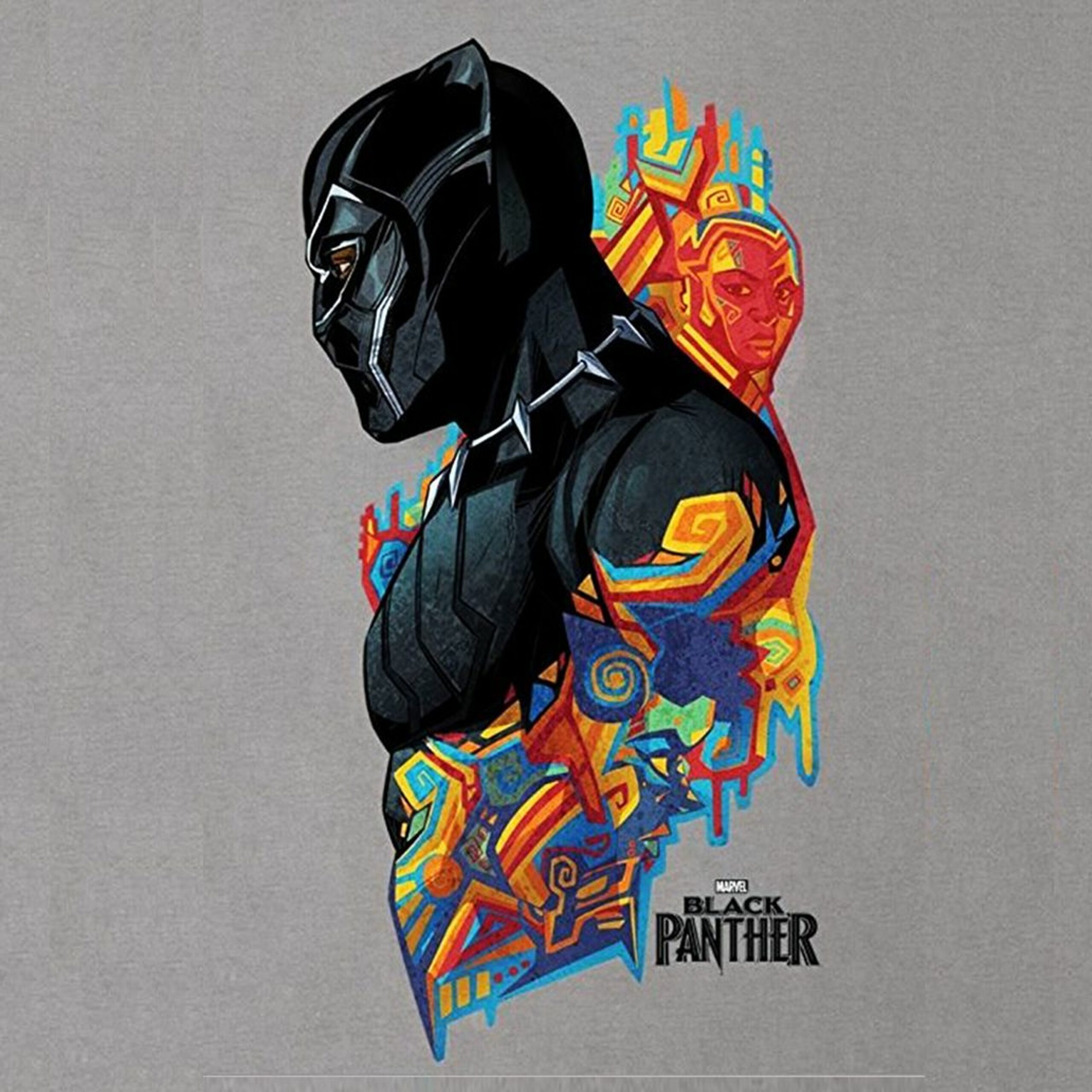
Step into the vibrant heart of Wakanda with Filmmaker Commentary’s deep dive into Ryan Coogler’s monumental “Black Panther.” This episode, featuring Coogler himself alongside production designer Hannah Beachler, peels back the layers of a film that redefined superhero narratives and shattered box office expectations. Recorded amidst the triumphant roar of its global success, the commentary offers a rare glimpse into the creative minds behind a cultural phenomenon, exploring not just its meticulous craftsmanship but the profound personal and collective journey it represents. We both went to the theater to see this film, and it was a great experience.
The film’s unparalleled impact is underscored by its staggering box office performance, from a $202 million opening weekend in the U.S. alone to a worldwide gross exceeding $1.19 billion. More than just numbers, “Black Panther” became a global event, audiences and eliciting a palpable sense of pride, particularly within the Black community. It wasn’t merely entertainment; it was a powerful affirmation, setting numerous records as the highest-grossing solo superhero film, the best-reviewed comic book adaptation, and the most successful movie from a Black director to date.
Coogler and Beachler guide listeners through the film’s narrative brilliance, highlighting its masterful use of exposition. From the opening sequence subtly weaving Wakanda’s rich history and the origins of vibranium, to Shuri’s lab ingeniously demonstrating the suit’s capabilities, every detail serves to immerse the audience without heavy-handed explanation. This intricate world-building extends to the film’s visual fabric, with sweeping shots of South Africa transformed into the breathtaking landscapes of Wakanda through the art of “plates” and compositing. Even the bustling streets of Busan, South Korea, find their double in the meticulously crafted soundstages of Atlanta, showcasing Marvel’s strategic use of local incentives and technical artistry.
A consistent thread woven throughout “Black Panther” is the exploration of identity and heritage. Recurring motifs, such as the evocative question “Who are you?” and the symbolism of necklaces that transform from fashion statements to formidable tech, imbue the narrative with depth. The motif of “things hiding in plain sight” subtly permeates the film, from Wakanda’s hidden city to the clandestine Korean casino, and even to the character of N’Jobu himself, living a double life in Oakland. T’Challa’s journey as a leader is anchored by his “superpower” of trusting the right people—a theme that resonates through his alliances, from the fierce Okoye to the resourceful Nakia, and even to the unexpected partnership with Everett K. Ross.
The podcast also illuminates the film’s clever nods and tributes. Shuri’s role as a scientific genius crafting cutting-edge gadgets for T’Challa pays clear homage to James Bond’s Q. Other moments, like T’Challa’s impossible run up a building, echo legendary feats, in this case, the athletic prowess of Bo Jackson. These thoughtful homages extend beyond cinematic references to the very roots of Black Panther’s comic book legacy, acknowledging the artistry of past creators and runs. The conversation also touches on the film’s groundbreaking visual effects, praising its seamless blend of practical shots with CGI, though acknowledging brief instances where the digital artistry pushed its boundaries.
Beyond the technical prowess, “Black Panther” is celebrated for its powerful color storytelling. The film’s intentional use of specific hues for different characters and factions—Killmonger’s blues, the Dora Milaje’s reds, Nakia’s greens, and T’Challa’s iconic black—culminates in a visually stunning Pan-African flag motif during a crucial Korean casino infiltration. The symbolic purple of vibranium, mirroring the spiritual ties of Zuri and the ancestral plane, adds another layer of visual and thematic richness.
Crucially, the episode champions the film’s revolutionary portrayal of women as formidable, empowered warriors and strategists, not merely damsels in distress. Their strength is highlighted both in combat and in their pivotal roles advising T’Challa. The discussion culminates in an appreciation for Killmonger, recognized as one of cinema’s most compelling villains, whose complex motivations and brutal journey mirror T’Challa’s own, creating a powerful duality. This episode truly unpacks “Black Panther” as a film of immense thought, meticulous research, and profound cultural resonance, demonstrating how every creative choice contributed to its groundbreaking legacy.
What We Cover
- The unprecedented box office success and cultural impact of “Black Panther.”
- Ryan Coogler and Hannah Beachler’s personal insights into the film’s production and narrative themes.
- Coogler’s masterful use of exposition, from the opening sequence to Shuri’s technological explanations.
- The film’s intricate color storytelling, recurring motifs, and thoughtful homages to both cinema and comic book history.
- The groundbreaking empowerment of women through characters like Okoye, Nakia, and Shuri.
- Behind-the-scenes details on filming locations, visual effects, and the importance of research and pre-visualization.
Key Moments
- 08:38 A breakdown of “Black Panther’s” monumental box office performance and its record-breaking impact.
- 22:26 Coogler and Beachler illuminate the film’s masterful exposition, from the initial Wakanda history to Shuri’s inventive tech demonstrations.
- 29:07 An in-depth look at recurring motifs, including identity, “things hiding in plain sight,” and the deep cultural symbolism of necklaces.
- 45:51 Exploring the strategic use of color to define characters, tribes, and highlight the Pan-African flag motif.
Gear & Films Mentioned
- Spawn (1997)
- Spawn (upcoming reboot)
- Avengers: Infinity War
- Justice League
- JAY-Z: Do It Again (music video)
- Cadillac Records
- Looper
- Thor: Ragnarok
Listener Questions
- How did “Black Panther” manage to break so many box office records and resonate so deeply with audiences?
- What insights do Ryan Coogler and Hannah Beachler share about the intentional design choices behind Wakanda’s technology and aesthetic?
- How does the film use color, symbolism, and character relationships to convey its powerful themes of identity and leadership?