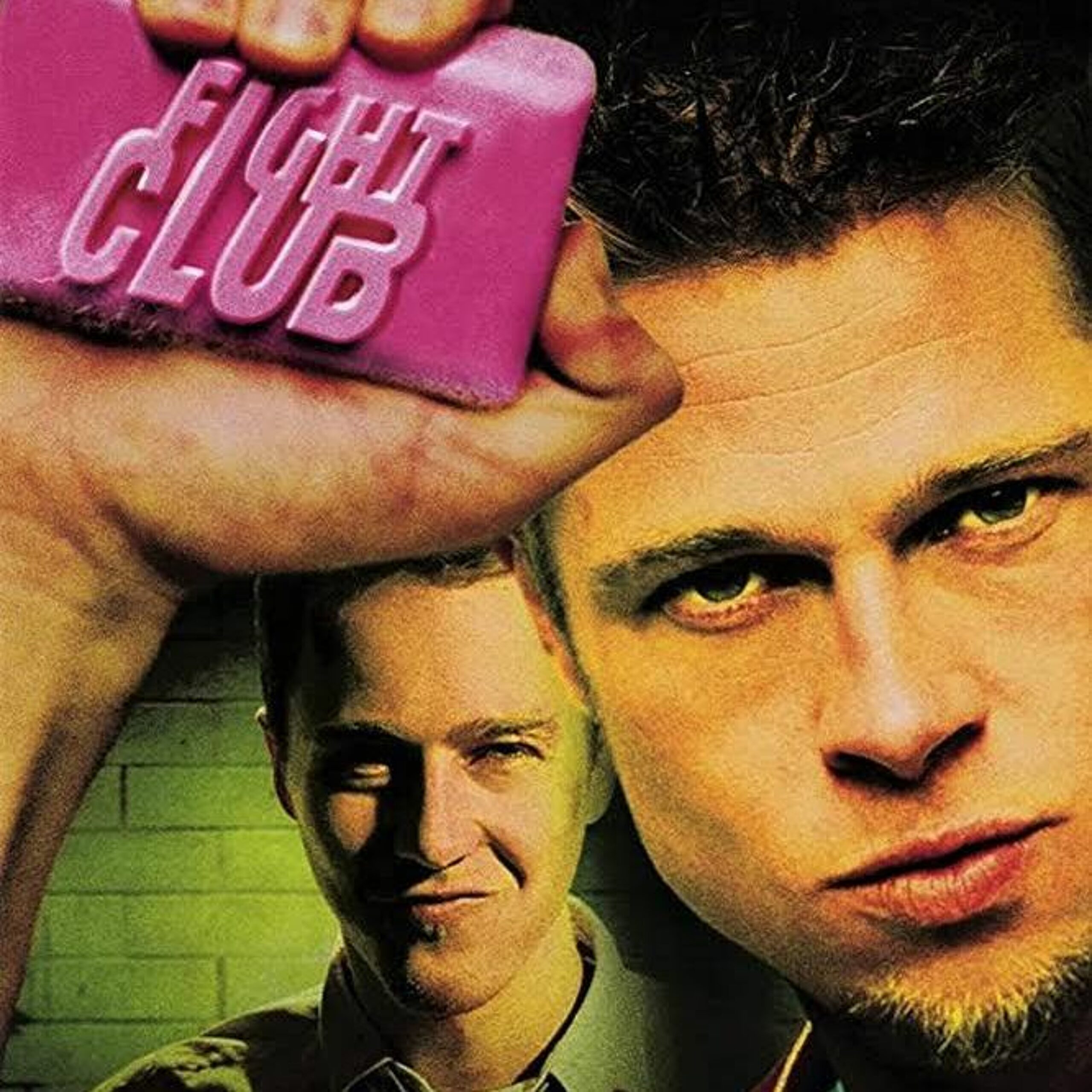
Filmmaker Commentary’s latest episode offers a deep dive into David Fincher’s iconic Fight Club, exploring the film’s intricate themes and Fincher’s notoriously meticulous filmmaking process. Hosts Reginald Titus Jr. and Casey G. Smith revisit the 1999 classic through its director’s commentary, uncovering new insights for aspiring filmmakers and dedicated cinephiles alike.
What We Cover
- How Fight Club’s initial box office performance contrasted with its cultural legacy and later appreciation.
- The unique experience of rewatching the film years later, especially for those encountering its famous twist for the first time.
- David Fincher’s distinctive, informal commentary style and his focus on overcoming production challenges.
- The clever, hidden details and special features baked into the physical media releases of *Fight Club*, reflecting Fincher’s attention to every aspect of the viewer’s experience.
- A discussion of the film’s enduring themes, including anti-consumerism, masculinity, and identity, and their continued relevance.
- Insights into Fincher’s directorial preferences, from his use of practical blood to his demanding approach with actors.
Key Moments
- 01:50 — Casey G. Smith shares his initial viewing experience, revealing his surprise at the film’s ending and how a rewatch shifts perspective.
- 03:30 — Discussion on the groundbreaking visual effects, including the opening brain synapse sequence, and their surprising longevity.
- 05:40 — Exploration of *Fight Club*’s thematic layers, including consumerism, freedom, and sadomasochism, and how these elements surprised one host’s spouse on a rewatch.
- 15:35 — The hosts detail Fincher’s informal commentary style and how he packs valuable insights into every minute, even without a formal introduction or outro.
- 21:30 — A humorous dive into the film’s original, legally controversial joke, the changes made due to studio concerns, and how the new line unexpectedly garnered more laughs.
- 26:30 — The hosts discuss Fincher’s preference for practical blood over digital, using the infamous “Lou’s Tavern” scene as a prime example of its visceral impact.
Gear & Films Mentioned
- DVD / Blu-ray discs
- The Girl with the Dragon Tattoo
- Zodiac
- Gone Girl
- Panic Room
- Oceans Eleven
- The Rocky Horror Picture Show
- Aeon Flux
- Memento
- The Prestige
- House of Cards
- Orphan Black
Listener Questions
- How did *Fight Club* perform financially upon its initial release, and how did that impact its perception?
- What makes David Fincher’s director commentaries unique, and how can filmmakers benefit from listening to them?
- How do Fincher’s special features and packaging design extend the storytelling experience beyond the film itself?