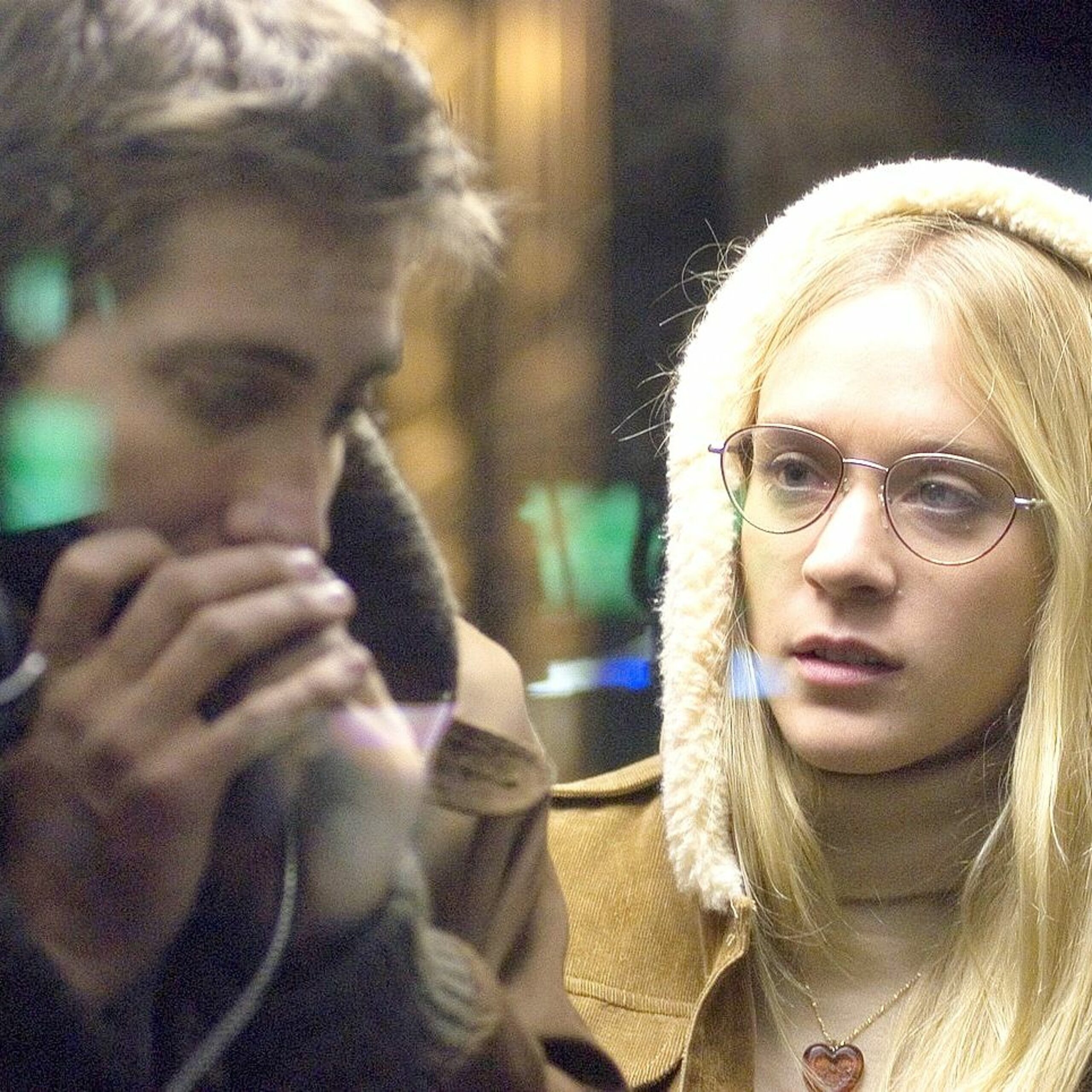
Step into the labyrinthine shadows of Fincher’s “Zodiac,” a film that meticulously reconstructs the hunt for one of America’s most elusive serial killers. This episode navigates the director’s renowned perfectionism and the enduring fascination with an unsolved mystery, exploring how visual storytelling and unwavering commitment to detail shape an unforgettable, if at times unsettling, cinematic journey.
What We Cover
- The meticulous craftsmanship behind David Fincher’s directorial style and consistent brand identity.
- Insights into the psychological toll of Fincher’s demanding multiple-take approach on cast and crew.
- The nuanced use of visual effects to create period accuracy and invisible enhancements, contrasting with practical effects.
- How the film’s narrative, mirroring real-life ambiguity, delivers a unique, sometimes frustrating, viewing experience.
- The powerful impact of cinema on public perception and the inherent American desire for narrative closure.
- Comparative analysis of “Zodiac” with other journalistic and serial killer films, including its surprising connection to “Dirty Harry.”
Key Moments
- 0:09:01 – David Fincher’s signature attention to detail, even down to Blu-ray packaging.
- 0:20:13 – Breaking down the elaborate, practical techniques behind the film’s iconic opening tracking shot.
- 0:30:18 – The unseen magic of “invisible” visual effects, including digitally erasing graffiti and reconstructing cityscapes.
- 0:44:28 – A deep dive into Fincher’s notorious multiple-take method, prompting reflections on efficiency versus artistic perfection.
Gear & Films Mentioned
- “Zodiac” (2007)
- “Fight Club” (1999)
- “Seven” (1995)
- “Panic Room” (2002)
- “Girl with the Dragon Tattoo” (2011)
- “Gone Girl” (2014)
- “Dirty Harry” (1971)
- “The Post” (2017)
- “All the President’s Men” (1976)
- “Spotlight” (2015)
- “Collateral” (2004)
- “Scott Pilgrim vs. the World” (2010)
- “The Shape of Water” (2017)
- “Hellboy” (2004)
- “Pan’s Labyrinth” (2006)
- “The Game” (1997)
- “Looper” (2012)
- Digital Domain (VFX House)
- ILM (Industrial Light & Magic)
Listener Questions
- How does a director’s background in visual effects, like Fincher’s, influence their filmmaking choices and budgets?
- What makes a film based on an unsolved true story, like “Zodiac,” resonate differently with audiences than fictional crime narratives?
- When is it acceptable for filmmakers to take creative liberties with historical facts, and what are the implications of those decisions?